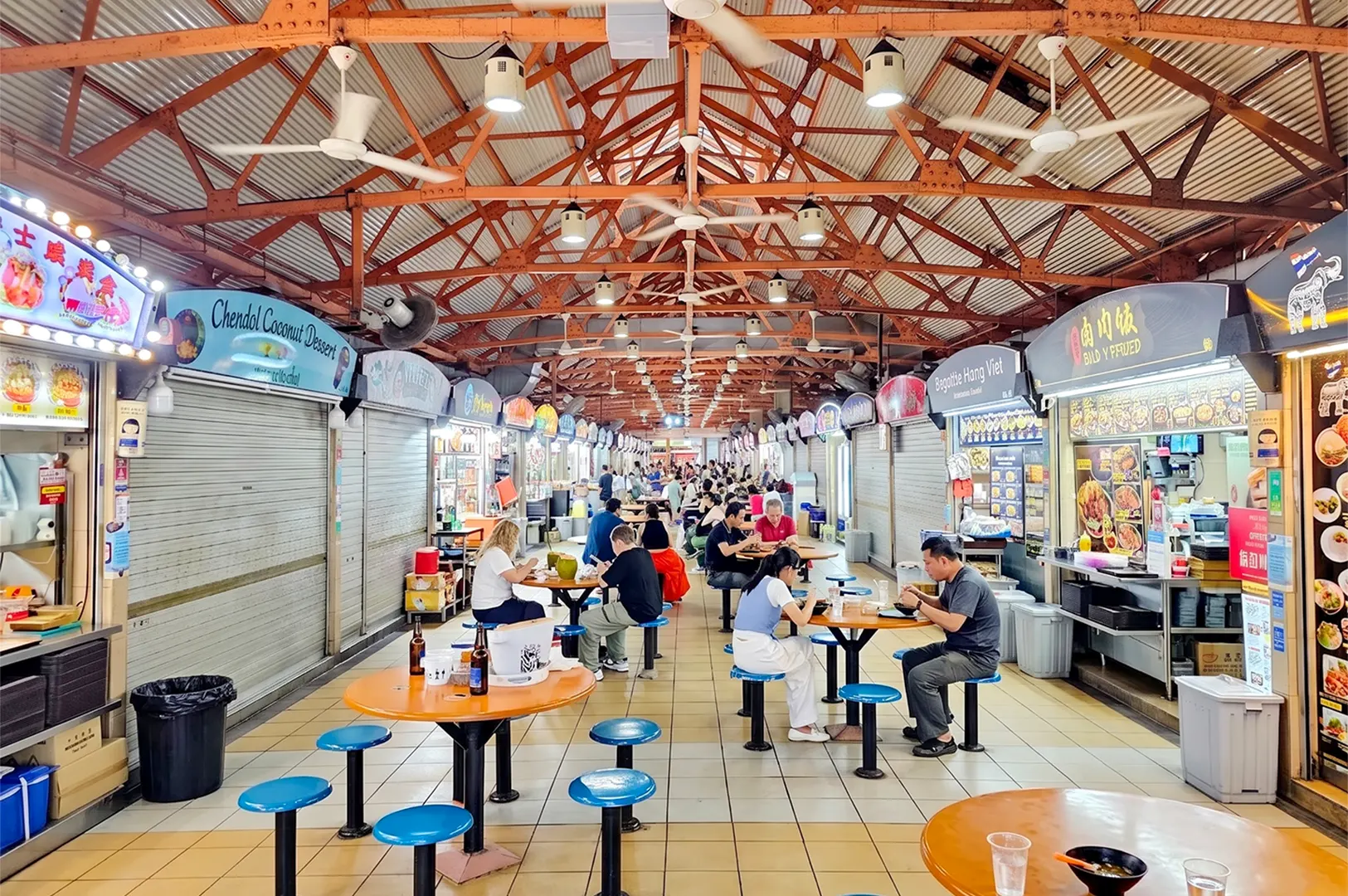
The heat wraps around you the moment you step under the whirring ceiling fans. The air is thick with the scent of toasted belacan, roasted coffee beans, and searing wok oil. All around you, metal spatulas clatter against heavy iron pans in a chaotic, rhythmic dance.
Aunties and uncles shout out order numbers over the constant hum of hungry crowds. You take your place in a long, winding queue, shifting your weight from foot to foot. You have just entered the beating heart of Singapore hawker food culture.
The Morning Rituals of a Migrant Nation and Chicken Rice
A walk through a hawker centre at dawn offers a glimpse into the grueling lives of early settlers. Long before sunrise, the air fills with the herbal, peppery aroma of Bak kut teh, a robust pork rib soup made from simmering pork bones and chicken stock. Originally created for Chinese coolies working at the bustling docks, this hearty chicken soup provided the energy required for backbreaking manual labor. Today, locals still gather around steaming clay pots of this peppery broth, dipping crispy dough fritters into the dark soup.
Just a few rows away, the clinking of small porcelain cups signals another historic morning ritual. Hainanese immigrants, who often worked as cooks for British colonists, beautifully blended Western habits with local palates. They created kaya toast and kopi. They took British-style bread, toasted it over charcoal, and slathered it with a fragrant local jam made of coconut milk, eggs, and pandan. Paired with a cup of strong robusta coffee sweetened with condensed milk, this breakfast remains an absolute staple of Singaporean daily life.
A Melting Pot of Spices and Traditions in Hawker Dishes
As different communities settled next to one another, their ingredients and cooking techniques inevitably blended. This beautiful multicultural exchange shaped the flavors of the city.
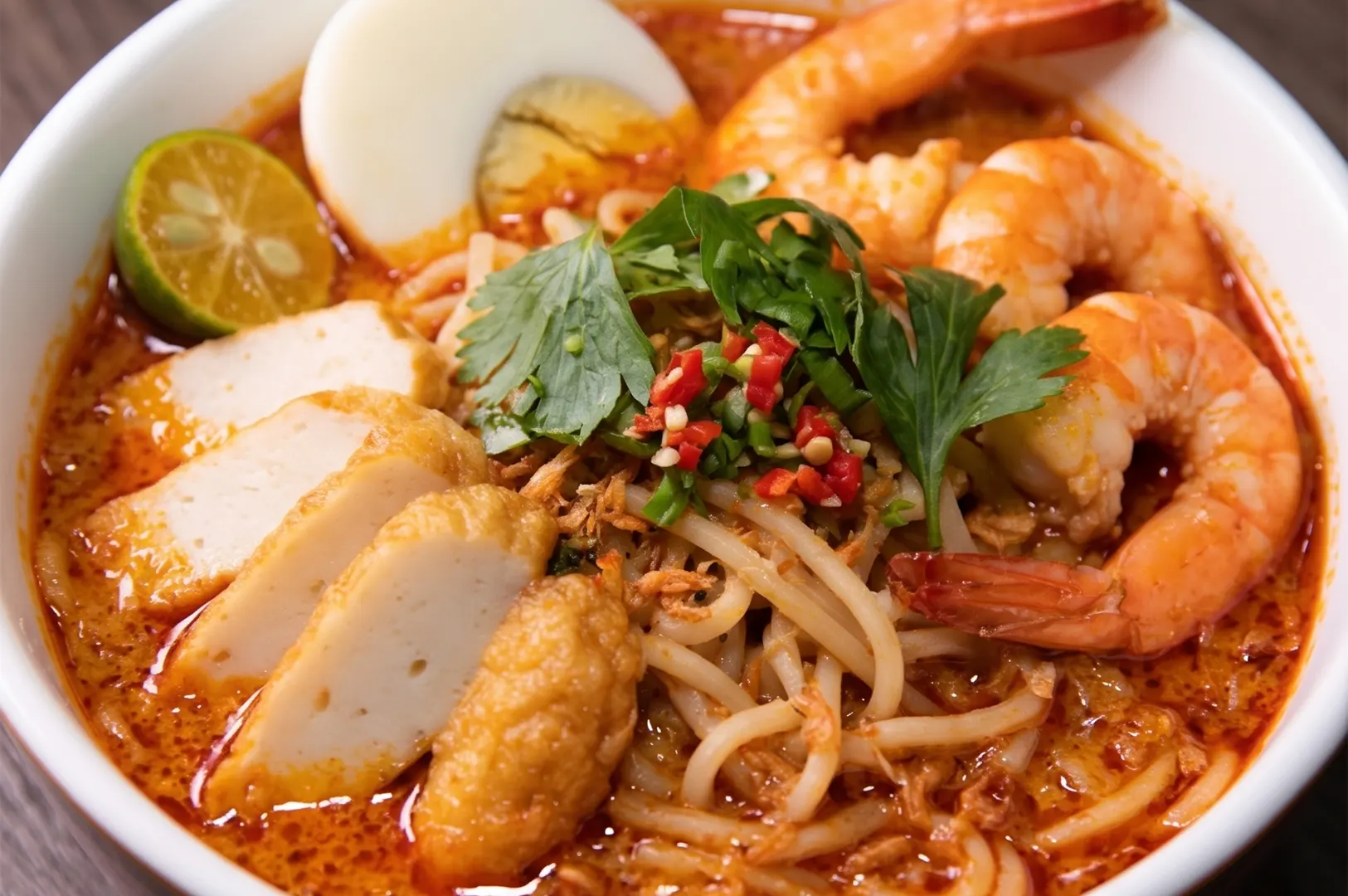
Katong Laksa, in particular, is known for its thick rice noodles cut into short strands, allowing it to be eaten only with a spoon, as well as its rich, spicy coconut milk-based soup. It is aggressively spiced with lemongrass, galangal, and dried shrimp, offering a brilliant balance of sweet, savory, and spicy notes. Laksa is just one example of the comforting noodle soup dishes that reflect Singapore’s culinary heritage.
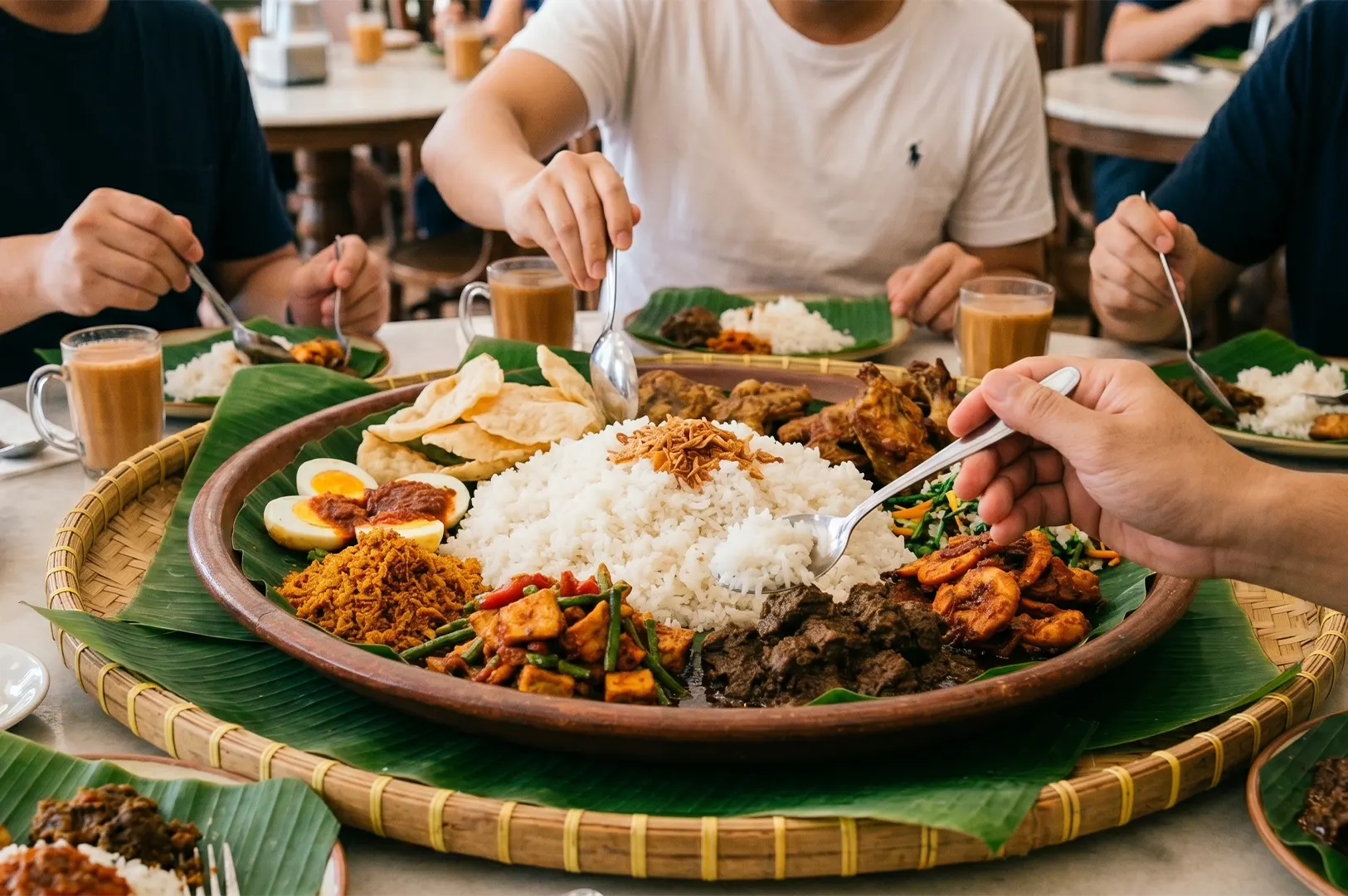
The Malay influence on the local diet is equally profound and comforting. Walk past a bustling Malay stall and you will undoubtedly spot towering mounds of Nasi lemak, fragrant basmati rice cooked in rich coconut milk and pandan leaves. It is traditionally served with crispy fried anchovies, roasted peanuts, sliced cucumber, and a fiery dollop of chilli sauce. Dishes like popiah, a beloved fresh spring roll filled with a mix of julienned vegetables and sometimes meat, and satay are often enhanced with chili paste, a key condiment that adds both heat and depth of flavor.
In the evenings, the sweet, smoky scent of satay sauce takes over the pavilion. Vendors fan glowing charcoal embers, grilling skewers of turmeric-marinated grilled meat to caramelized perfection. Eaten communally with a thick peanut sauce, satay showcases the deep social roots of Malay dining. Peanut oil is commonly used as a neutral cooking oil in hawker dishes, contributing to their distinctive taste and texture.
The Art of the Wok, Ginger Garlic, and the Tawa in Hawker Cooking
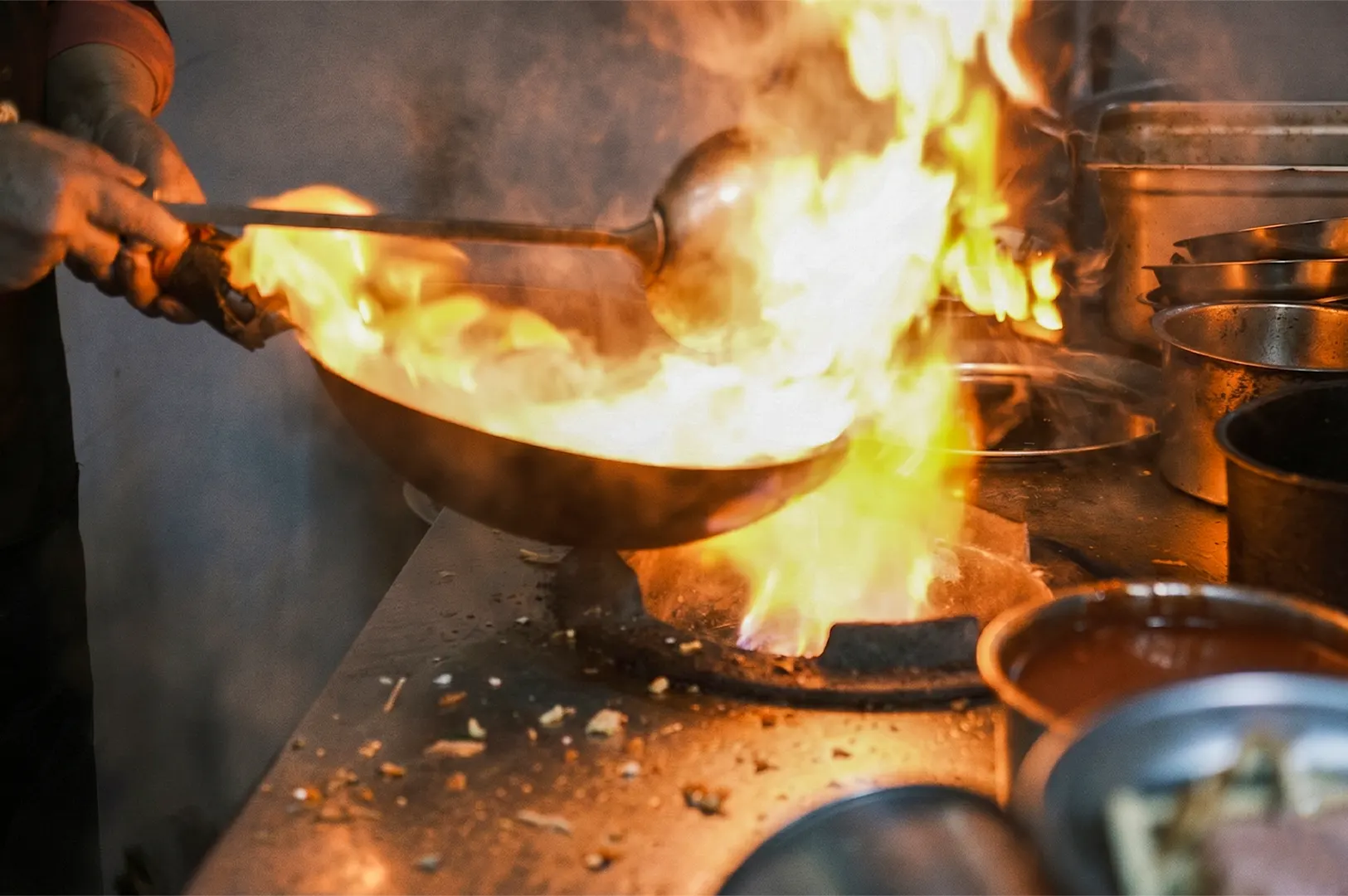
The true magic of iconic hawker dishes often lies in the dramatic cooking techniques brought over by early settlers. These methods required immense physical skill and a deep understanding of heat.
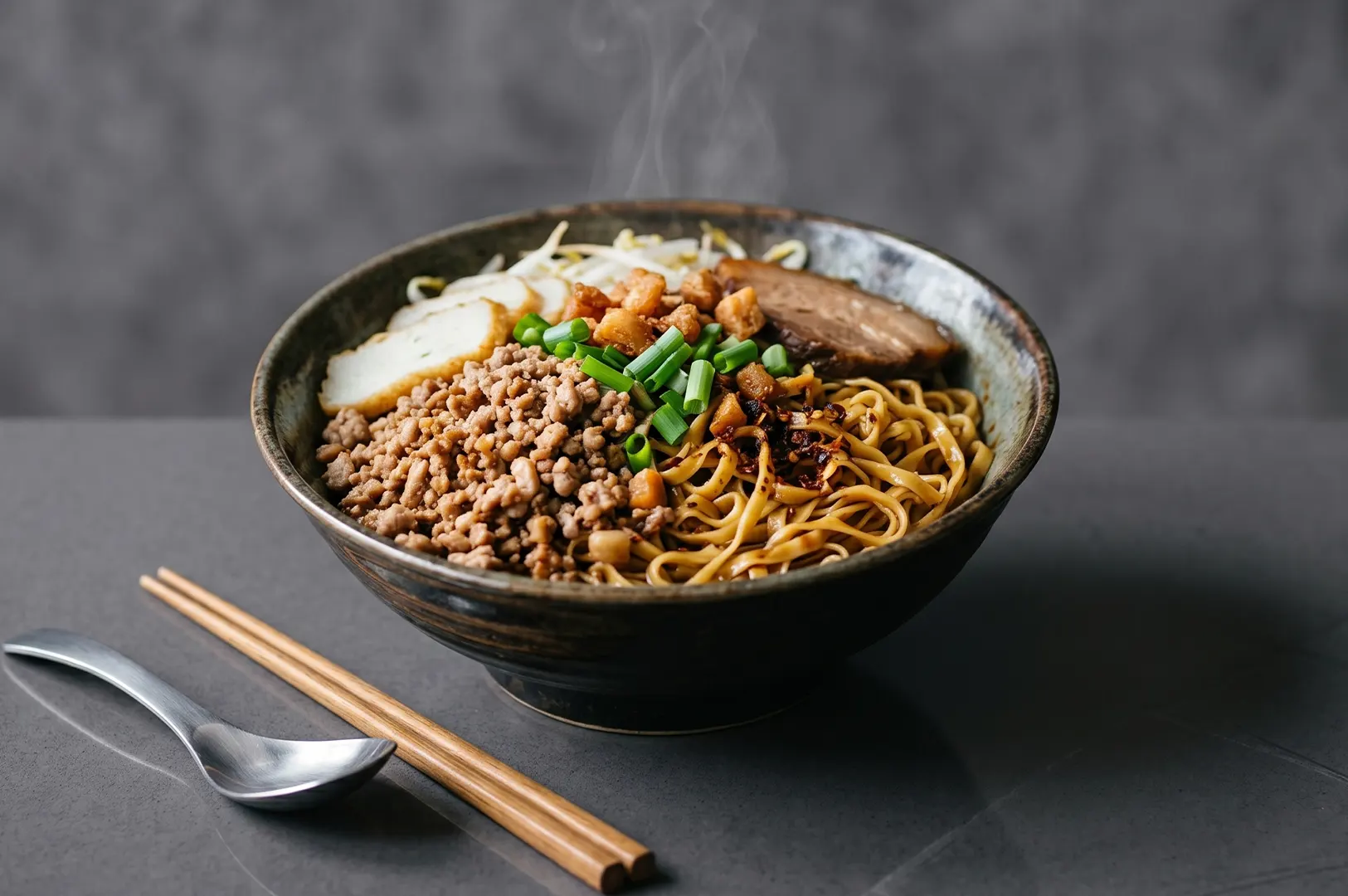
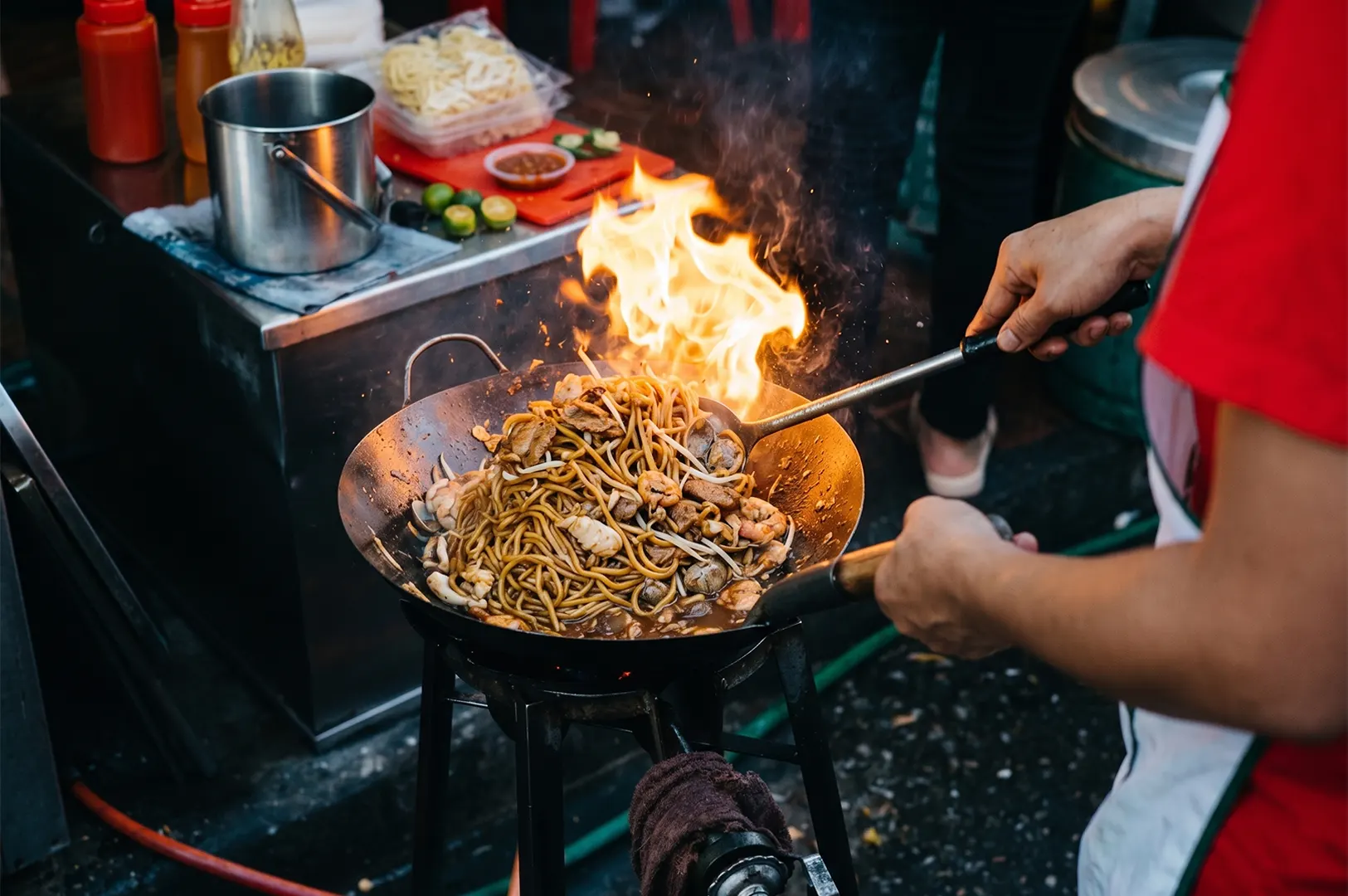
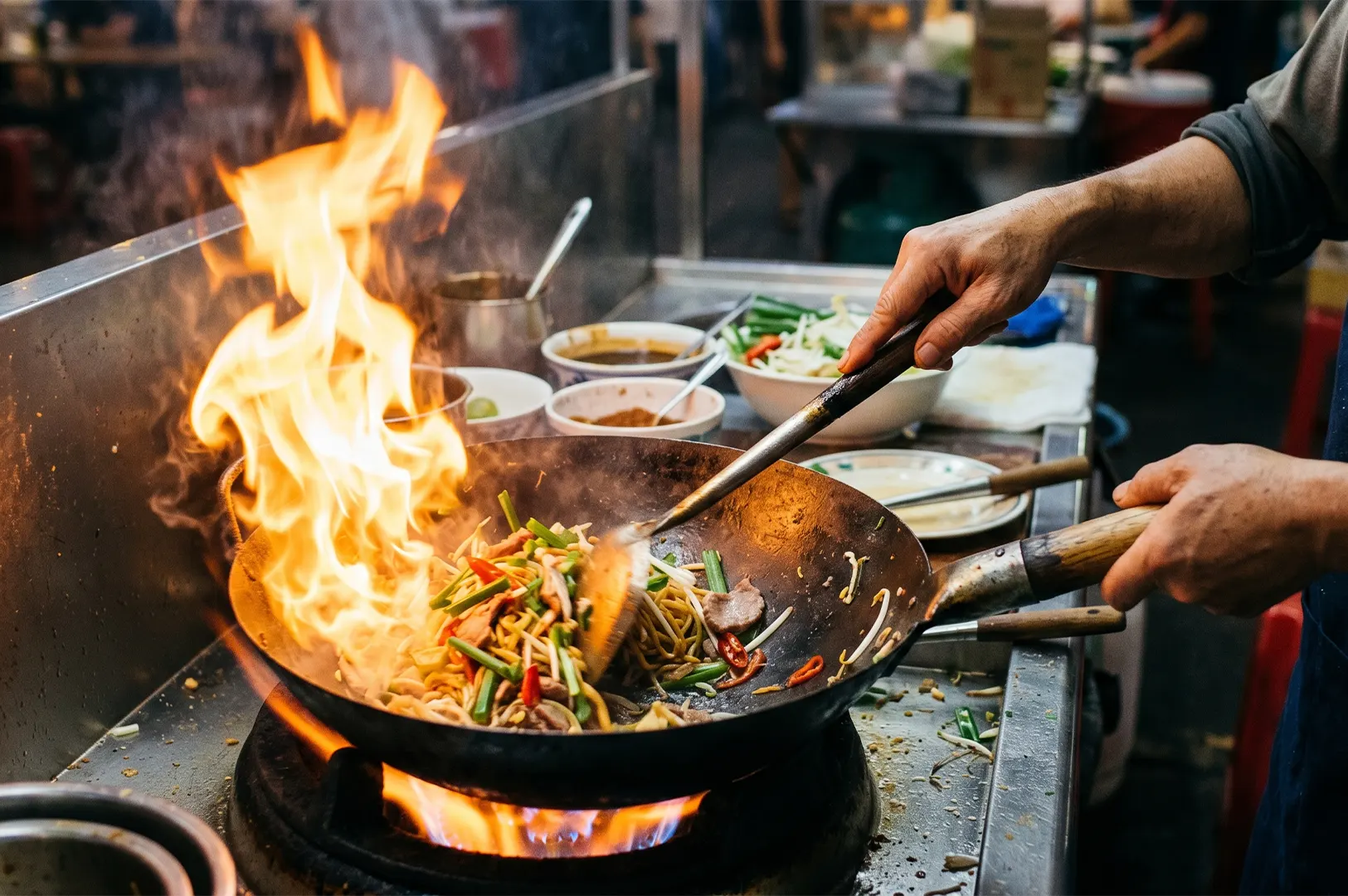
High-heat mastery: Chinese immigrants brought the wok, a vessel designed to cook food rapidly over intense flames. This technique is essential in dishes like char kway teow and minced pork noodles, where the wok imparts a smoky “wok hei” flavor.
Dough lamination: Indian migrants introduced the flat iron griddle, known as a tawa, perfect for achieving flaky, layered breads like roti prata.
Slow poaching: Gentle, temperature-controlled boiling techniques ensured tender meats and deeply flavorful broths, especially in the cooking process of hainanese chicken rice.
Hawker stalls produce chicken dishes using fresh and carefully prepared chicken, showcasing the importance of ingredient quality and preparation in Singaporean cuisine.
You can taste the wok mastery perfectly in a plate of char kway teow. Originally considered a poor man’s food, Teochew laborers would stir-fry thick rice noodles with leftover ingredients like minced pork, fried shallots, bean sprouts, and braised mushrooms. The secret to the dish is the intense, roaring fire that imparts a smoky, charred flavor directly into the noodles.
Of course, no exploration of local food is complete without mentioning hainanese chicken rice. What began as a frugal dish from Wenchang chicken in China transformed into a celebrated national treasure. The dish uses both chicken breast and chicken skin, with the skin kept intact for a gelatinous, flavorful texture and the breast poached gently for tenderness. Cooks adapted the recipe by poaching the chicken gently to retain its silky skin and tender breast meat, then using the rendered chicken fat, garlic, and ginger garlic to cook the fragrant rice.
The rice is cooked in chicken broth and chicken stock, often in a rice cooker or on the stove, absorbing the aromatic flavors. When preparing aromatics, a small frying pan is often used to heat oil or fry aromatics over medium heat to prevent burning.
Carrot Cake and Other Snacks: Beyond the Main Course
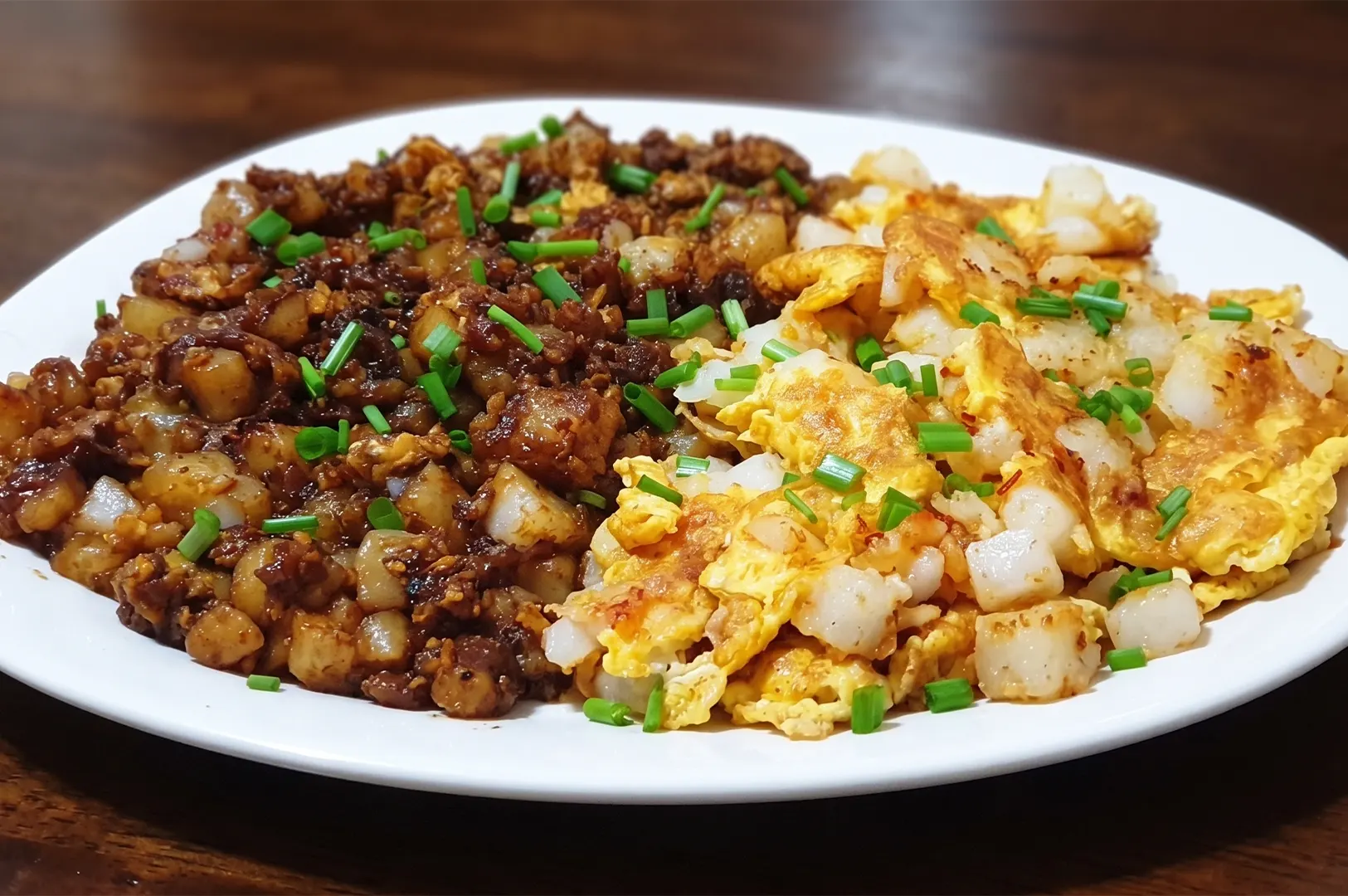
Step up to any bustling hawker centre and you’ll notice that the allure of Singapore’s hawker food culture extends far beyond the main courses. Among the most beloved snacks is carrot cake, known locally as chai tow kway. Despite its name, this dish contains no carrots; instead, it’s crafted from steamed rice flour and white radish (daikon), which is then cut into cubes and fried over high heat with eggs, preserved radish, and sometimes a scattering of minced pork or chicken. The result is a savory, crispy-edged delight, often finished with a drizzle of sweet soy sauce or a fiery chilli sauce for an extra kick.
Carrot cake comes in two popular styles: the “white” version, where the cubes are fried simply with eggs, and the “black” version, which is tossed with dark soy sauce for a caramelized, slightly sweet finish. Both versions are a testament to the ingenuity of hawker food, transforming humble ingredients into something deeply satisfying.
Satay and Other Grilled Meats: Flames, Smoke, and Heritage
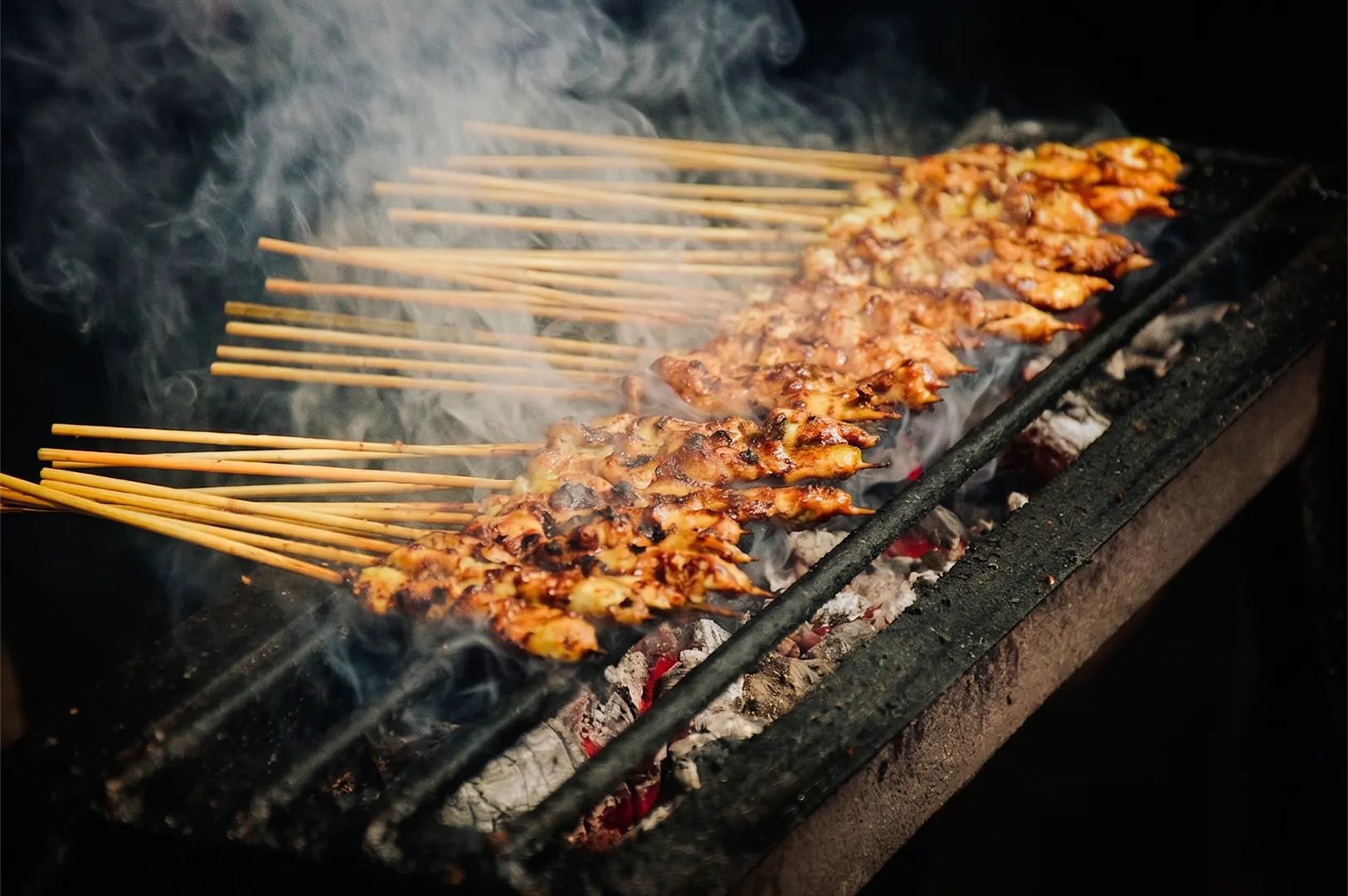
As dusk settles over Singapore’s hawker centres, the air fills with the irresistible aroma of satay grilling over glowing charcoal. Satay is a quintessential street food, skewers of marinated chicken, beef, or pork, expertly grilled until the edges are charred and smoky, the meat tender and juicy. Each stick is a bite-sized celebration of flavor, thanks to secret spice blends and careful grilling techniques passed down through generations.
No satay experience is complete without its classic accompaniments: a bowl of rich, nutty peanut sauce for dipping, soft cubes of ketupat (steamed rice cakes), and crisp slices of cucumber to refresh the palate. The combination of smoky meat, creamy peanut sauce, and cool vegetables is pure harmony—a taste of Singapore’s multicultural heritage in every mouthful.
Beyond satay, hawker stalls offer a variety of other grilled meats, from BBQ pork to succulent grilled chicken, often served with a side of steamed rice or tossed with noodles. These dishes are more than just food; they are a living tradition, with each hawker perfecting their own marinades and grilling methods over years of practice. The communal act of sharing skewers around a table, dipping into peanut sauce, and savoring the flavors of the fire is a cherished part of Singapore’s street food culture.
Preserving Traditional Recipes in a Modern City
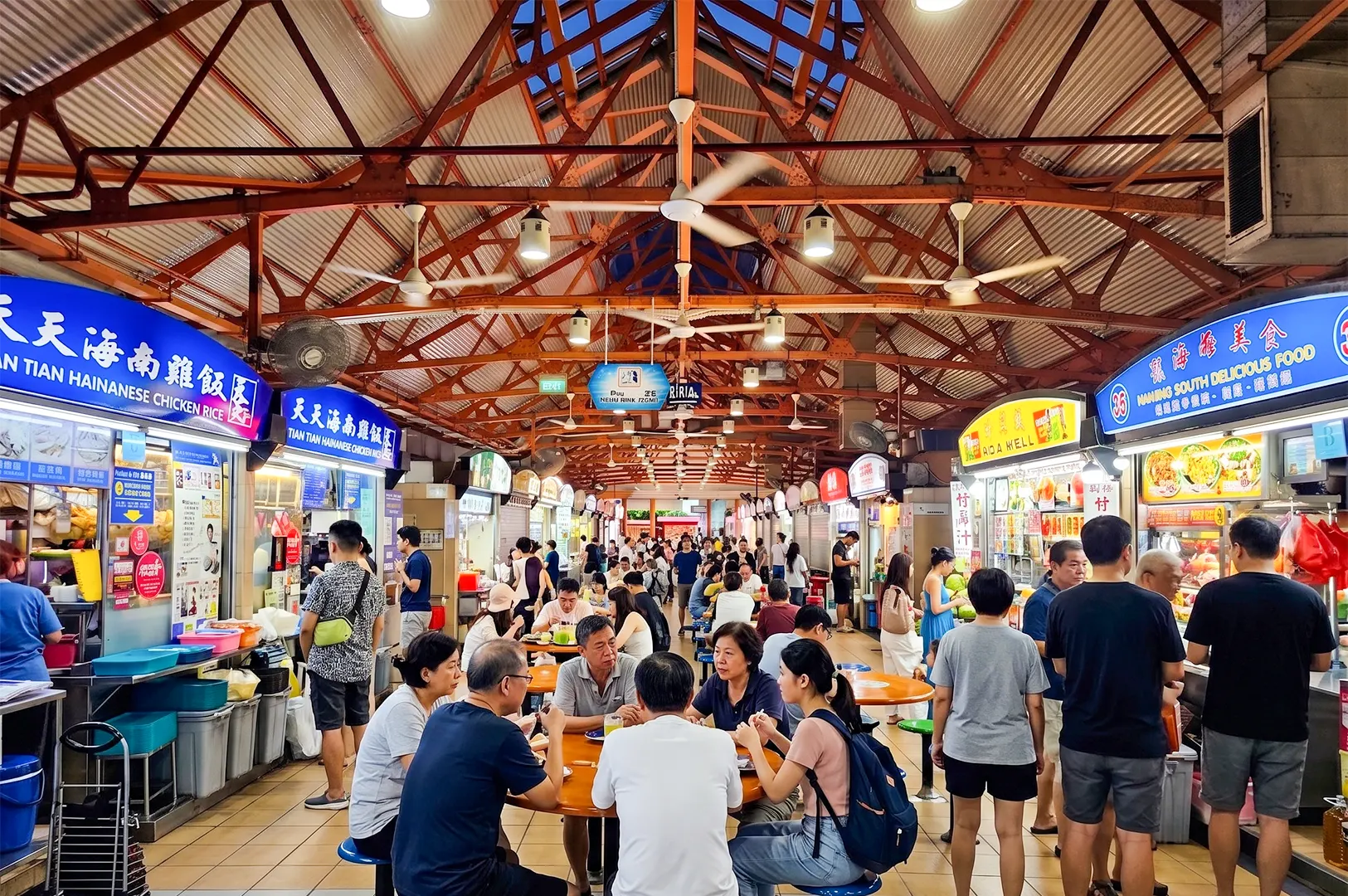
In a city that never stops evolving, the preservation of traditional hawker food is both a challenge and a passion. As skyscrapers rise and lifestyles change, many worry that the authentic flavors and time-honored techniques of hawker stalls might fade away. Yet, a new generation of chefs and hawkers is stepping up, eager to learn the secrets of their elders and keep Singapore’s culinary heritage alive.
Modern conveniences like rice cookers and food processors have made it easier to cook rice or blend ingredients for sauces, speeding up the cooking process in busy hawker stalls. However, some purists argue that these shortcuts can’t quite replicate the textures and flavors achieved through traditional methods like slow-cooking coconut milk for a rich, fragrant base, or hand-grinding peanuts for the perfect peanut sauce.
Contents of Hainanese Chicken Rice and Its Accompaniments
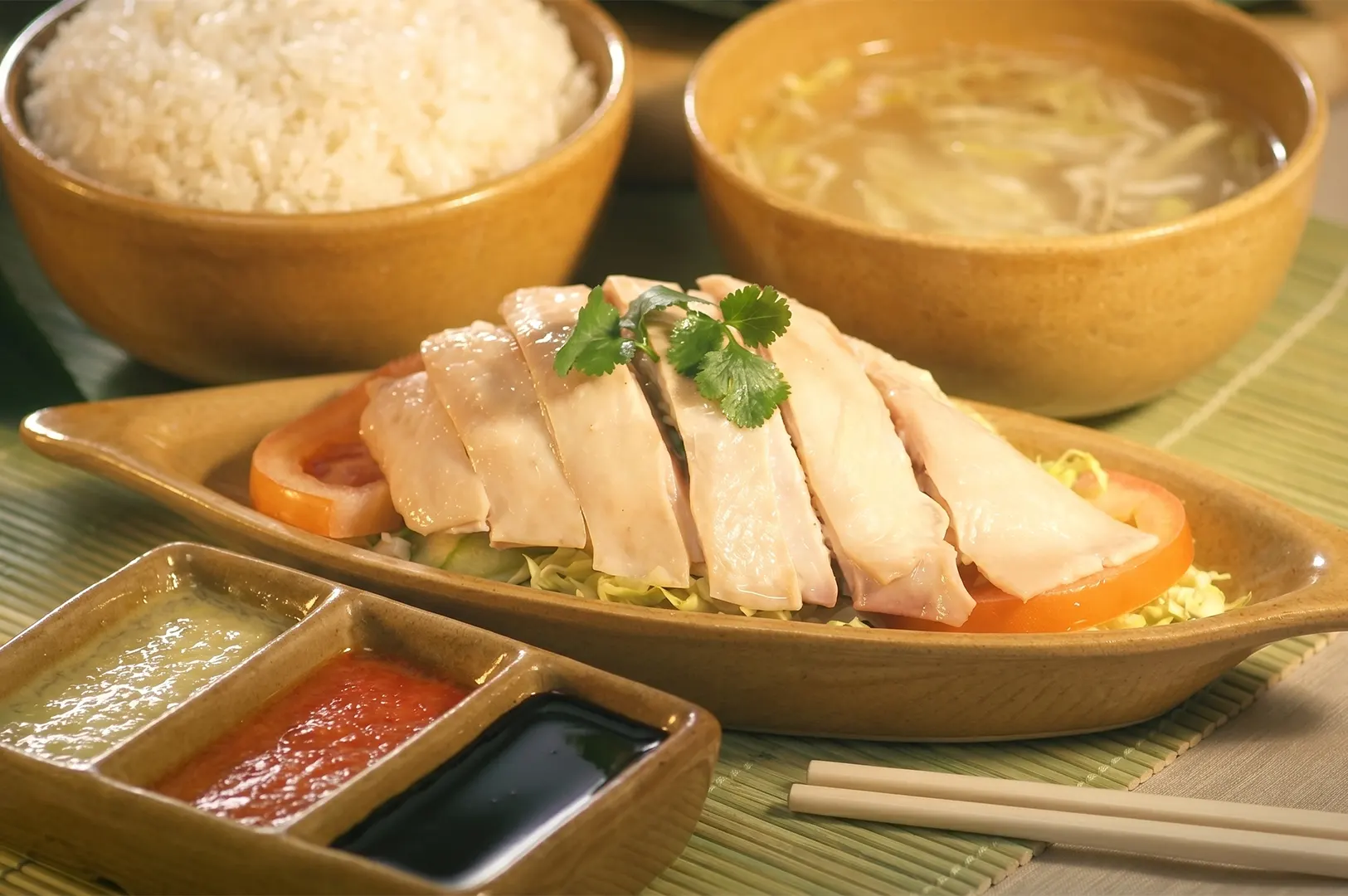
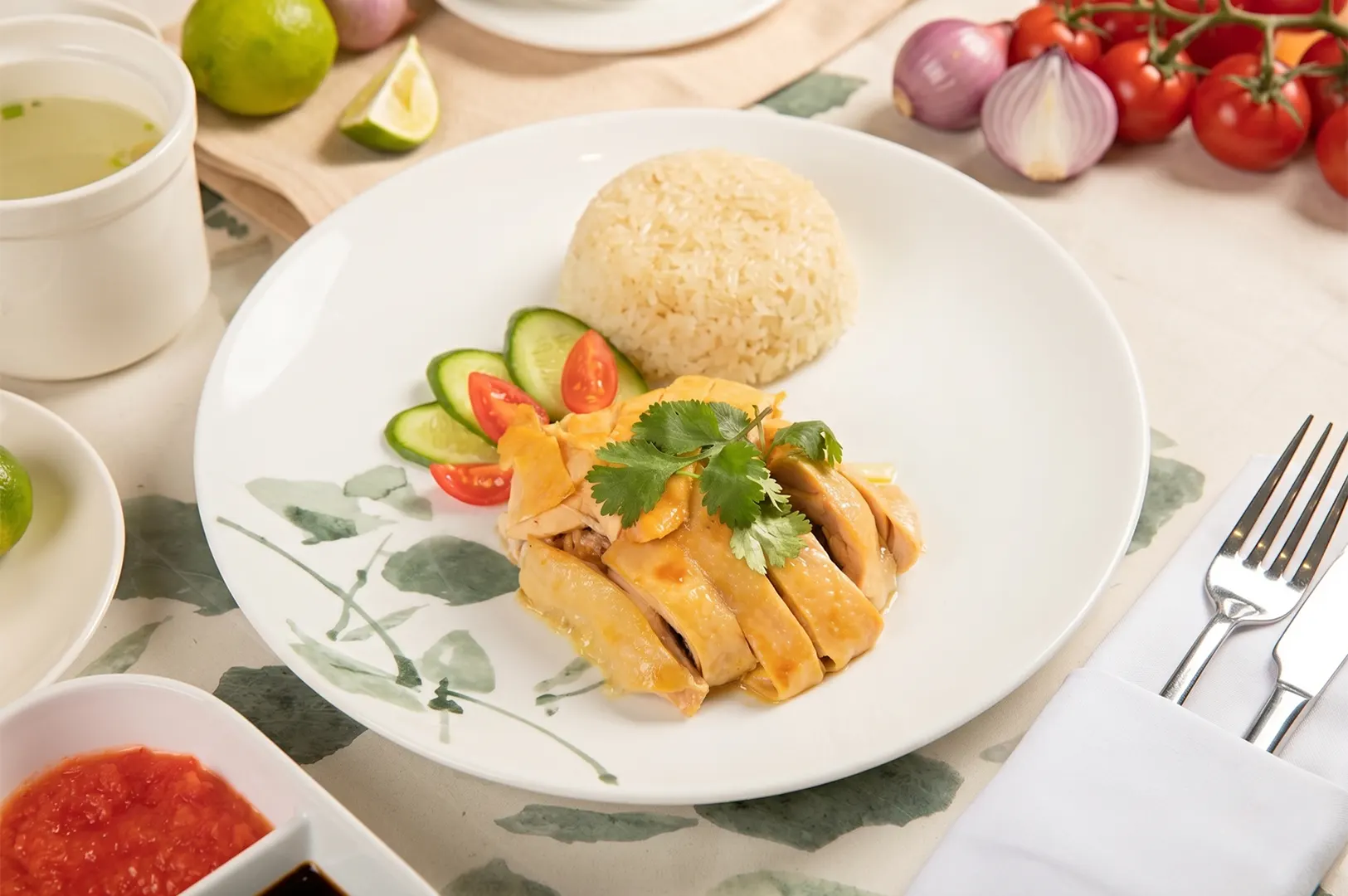
A proper Hainanese chicken rice meal consists of poached chicken and seasoned rice, served with chilli sauce and garnished with cucumbers, tomato slices, or cilantro. This iconic dish, known as both hainan chicken rice and Singapore chicken rice, holds deep cultural significance and is celebrated as a national icon in Singapore and Malaysia.
A typical serving features tender poached chicken, chopped or shredded, alongside fragrant steamed rice cooked in chicken fat and chicken broth. The dish is accompanied by a trio of condiments: a fiery chilli sauce made from freshly minced red chillies and garlic, a dipping sauce of dark soy sauce and light soy sauce, and a ginger garlic paste mixed with spring onions and sesame oil. Hainanese chicken rice is traditionally served with a dipping sauce made of freshly minced red chilli and garlic, usually accompanied by dark soy sauce and freshly ground ginger.
The plate is garnished with sliced cucumber and sometimes a hard boiled egg, adding freshness and texture. The accompanying chicken soup, made from clear chicken broth simmered with chicken bones, spring onions, and sometimes braised mushrooms, completes the meal. This chicken soup is light yet flavorful, a perfect complement to the rich rice and tender chicken. Steamed white rice is a common accompaniment to many hawker dishes, providing a fluffy, fragrant base that pairs well with flavorful mains.
To find chicken rice at its best, look for renowned stalls recommended by the MICHELIN Guide and visit must-try locations such as Chinatown Complex Food Centre, Maxwell Food Centre, Amoy Street Food Centre, Newton Food Centre, and Albert Food Centre. These hawker stalls continue to preserve the traditional cooking process, ensuring every plate delivers an authentic taste of Singapore’s hawker food culture.
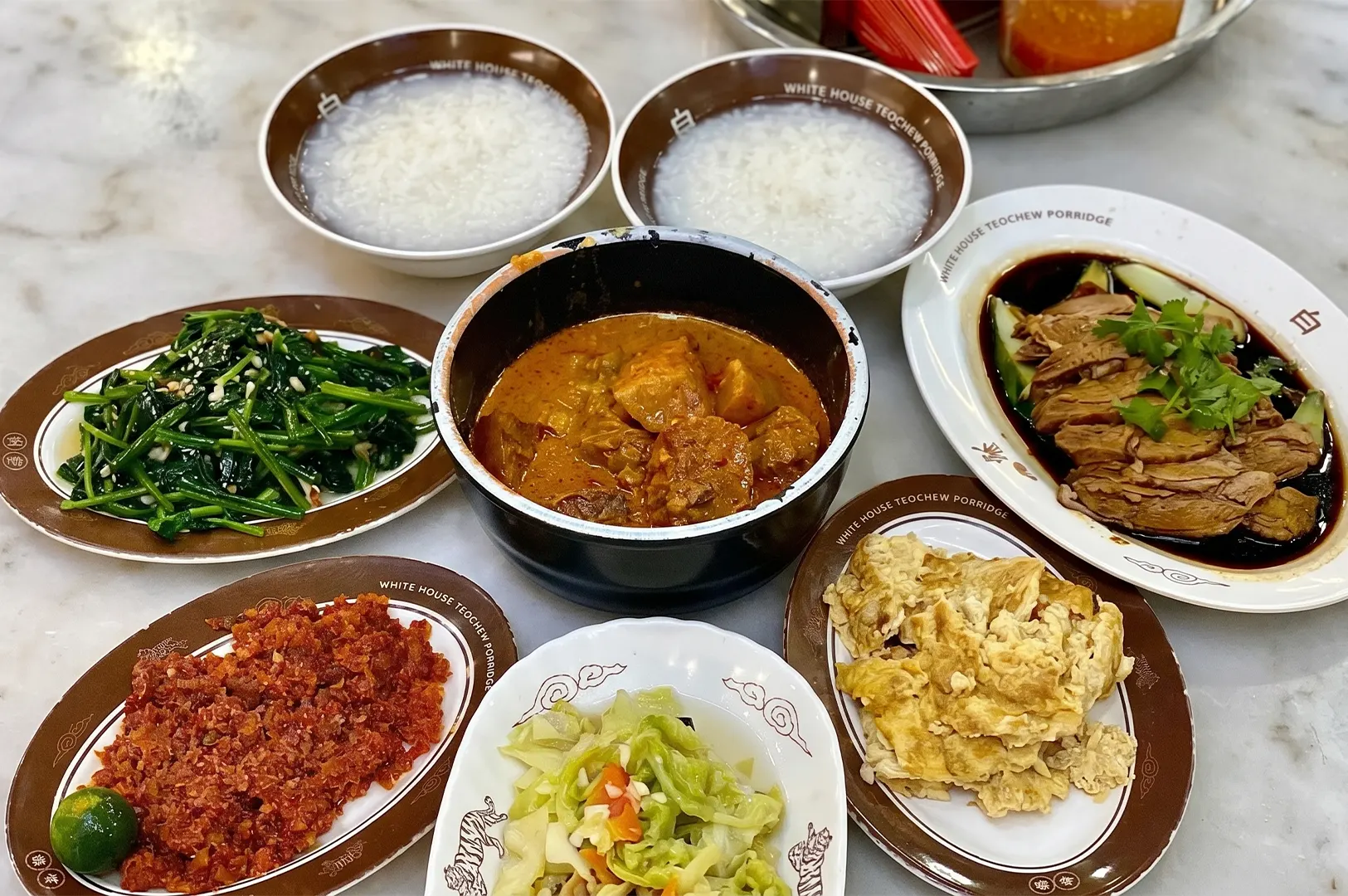
Other popular hawker dishes include duck rice, known for its braised duck meat and flavorful rice, and crab meat dishes such as chili crab and seafood platters, both of which showcase the diversity and richness of Singapore’s hawker cuisine.
Taste the Legacy of Singapore's Hawker Centres
The next time you find yourself standing in the humid heat of a local food centre, take a moment to look past the menu boards. Listen to the sizzling of small frying pans, smell the toasted spices, and watch the incredible labor happening in those tiny kitchens.
Order a plate of carrot cake, a bowl of fish soup, or a serving of steamed rice cake. Savor the complex flavors, and remember the remarkable history folded into every single bite. Your culinary adventure in Singapore is waiting, and it promises to be absolutely delicious.
For more considerable insights on local delicacies of Singapore, be sure to visit Exploring Local Delicacies in Singapore: A Culinary Journey Through Hawker Centres