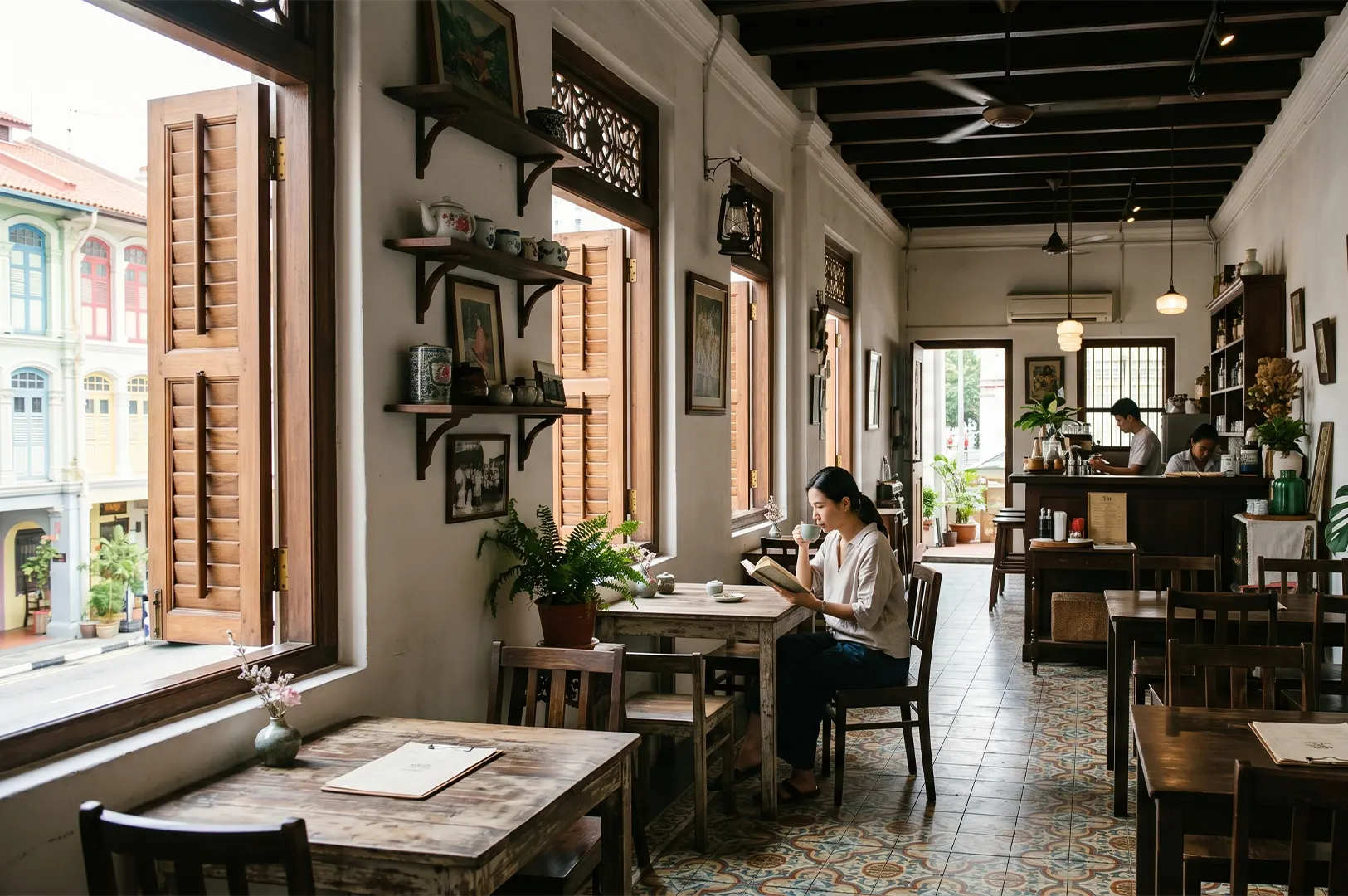
We all appreciate the quiet elegance of a fine restaurant. The crisp white tablecloths, the attentive service, and the beautifully plated dishes offer a wonderful escape from our busy lives. Yet, when I crave a meal that truly fills my soul, I find myself bypassing the polished glass doors of high-end eateries. Instead, I head straight for the humid, chaotic, and loud environment of the local hawker center.
There is a profound reason for this preference. Despite the lack of air conditioning and ambient music, hawker meals often feel deeply personal in a way that traditional restaurant dining rarely achieves. The difference begins with the physical space and the intimacy of the interaction. In a standard restaurant, your dining experience is heavily filtered. You speak to a hostess, who hands you to a waiter, who then passes your order to a hidden kitchen you will never see.
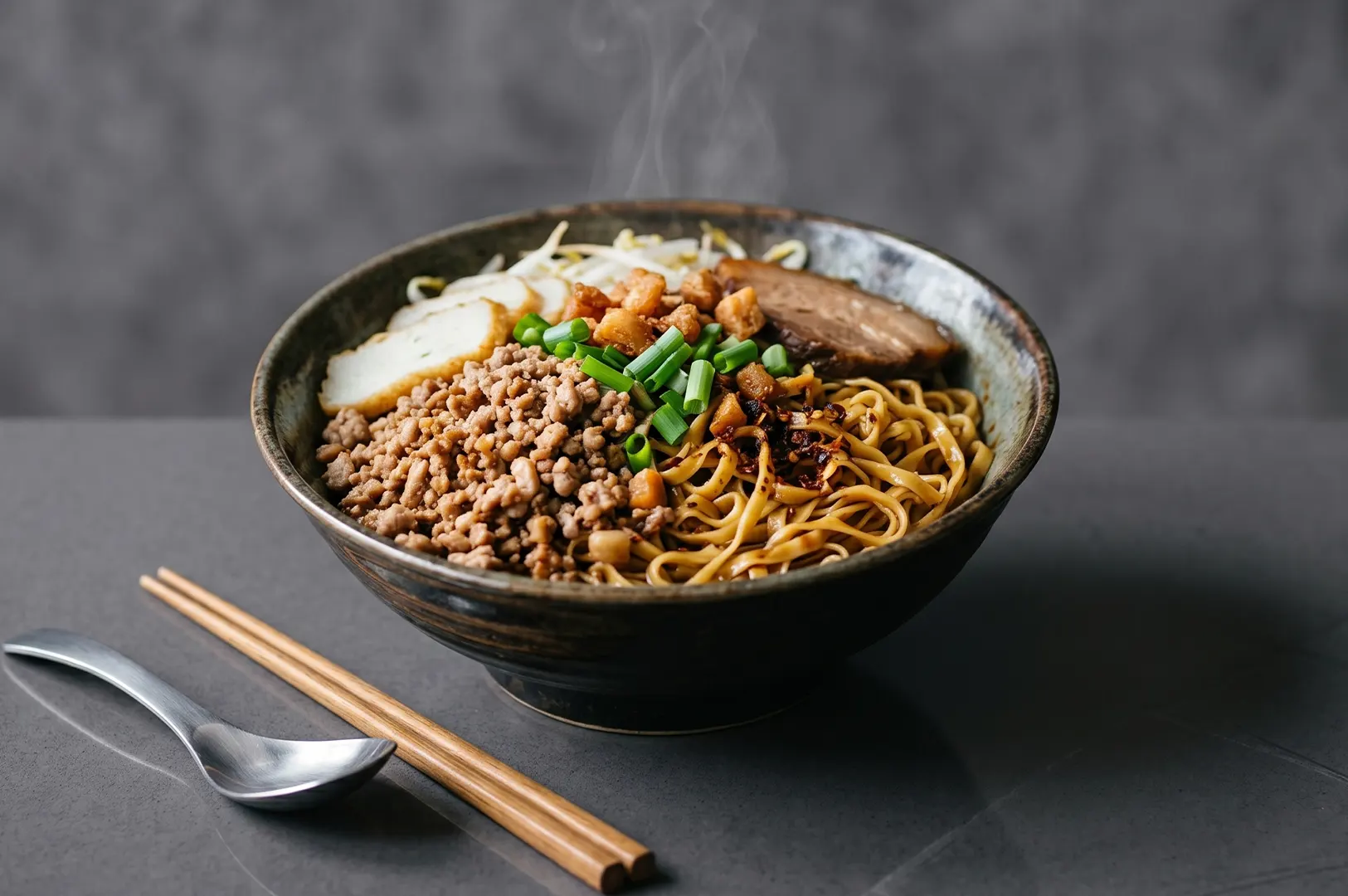
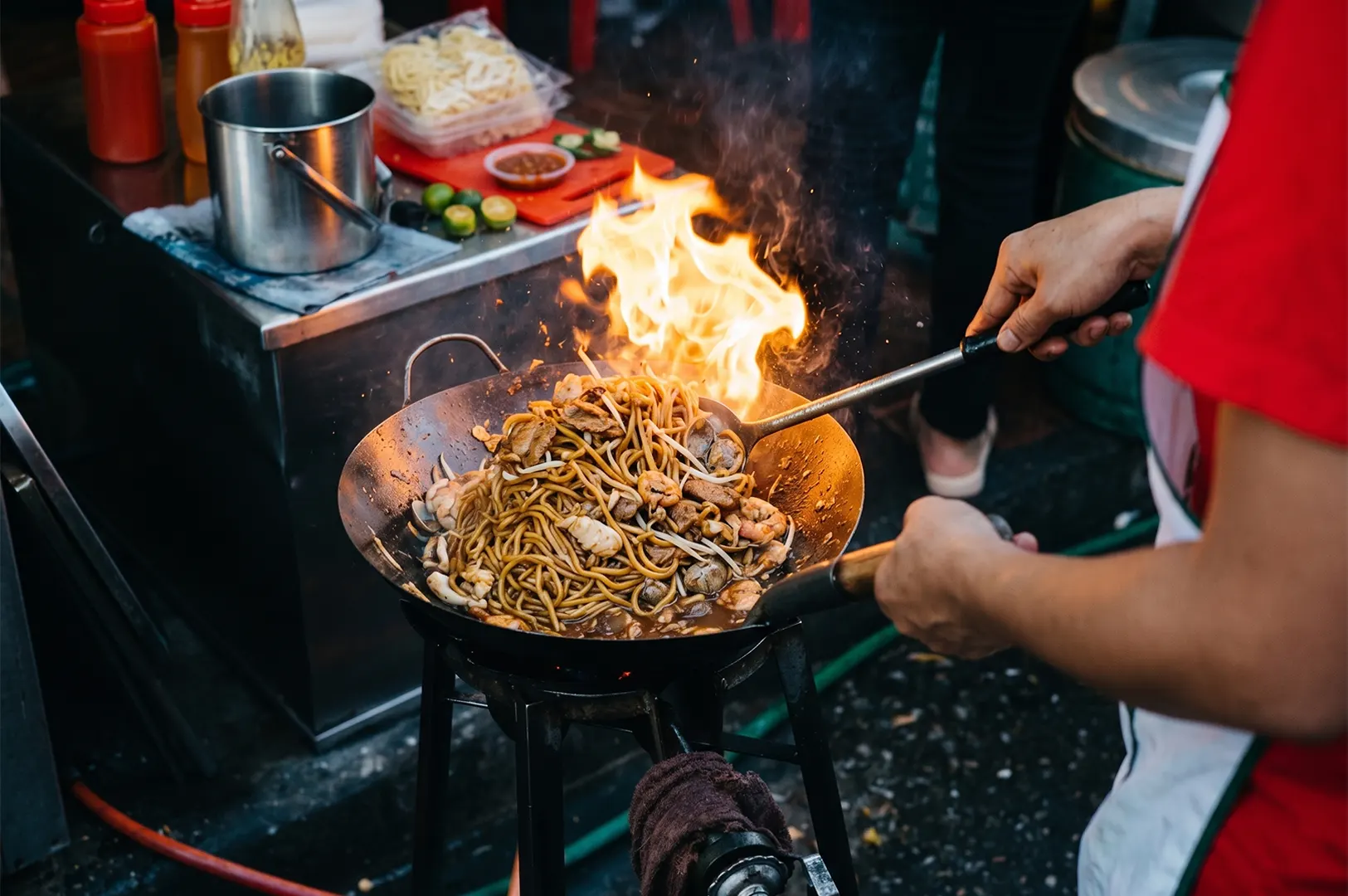
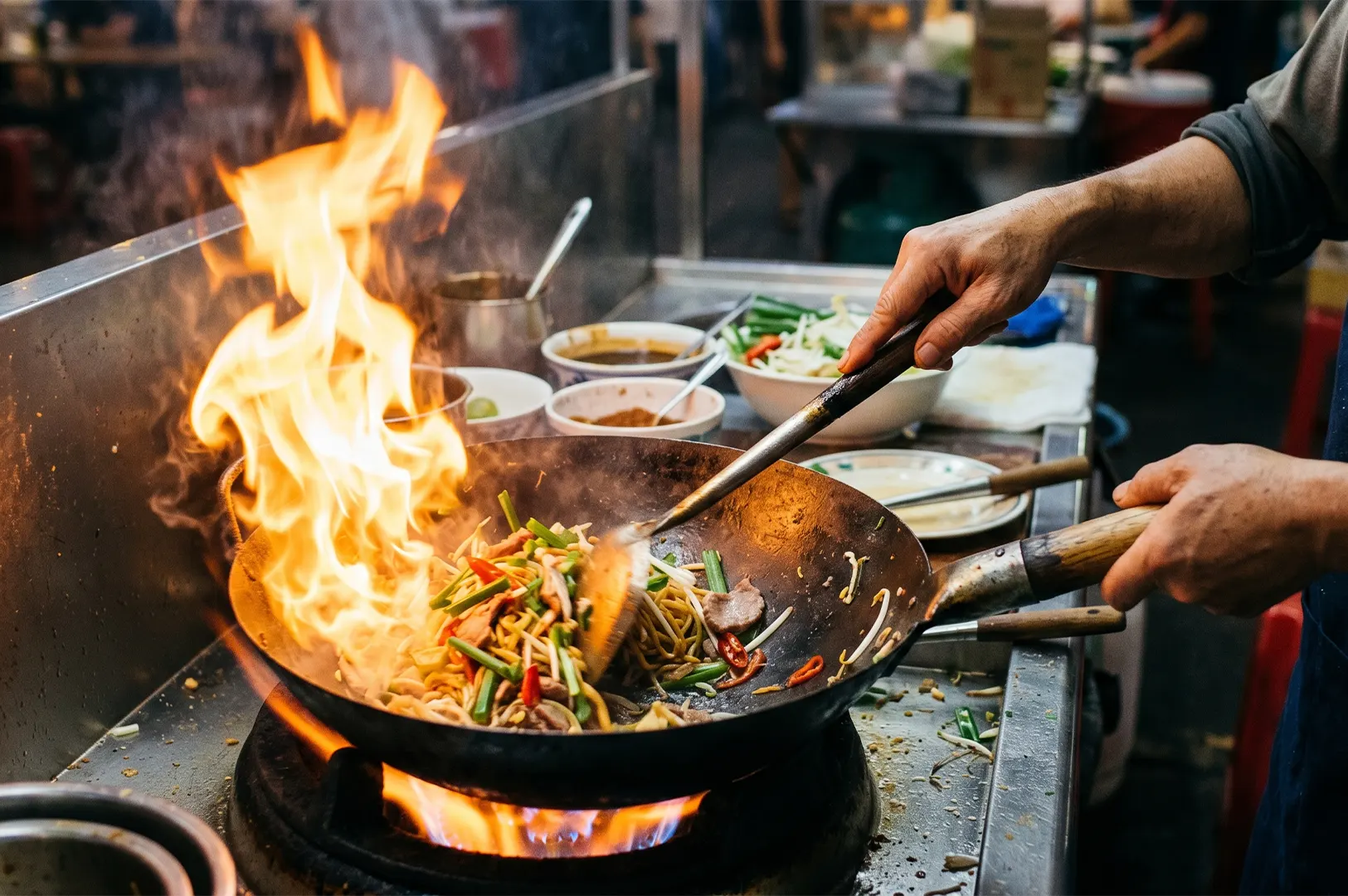
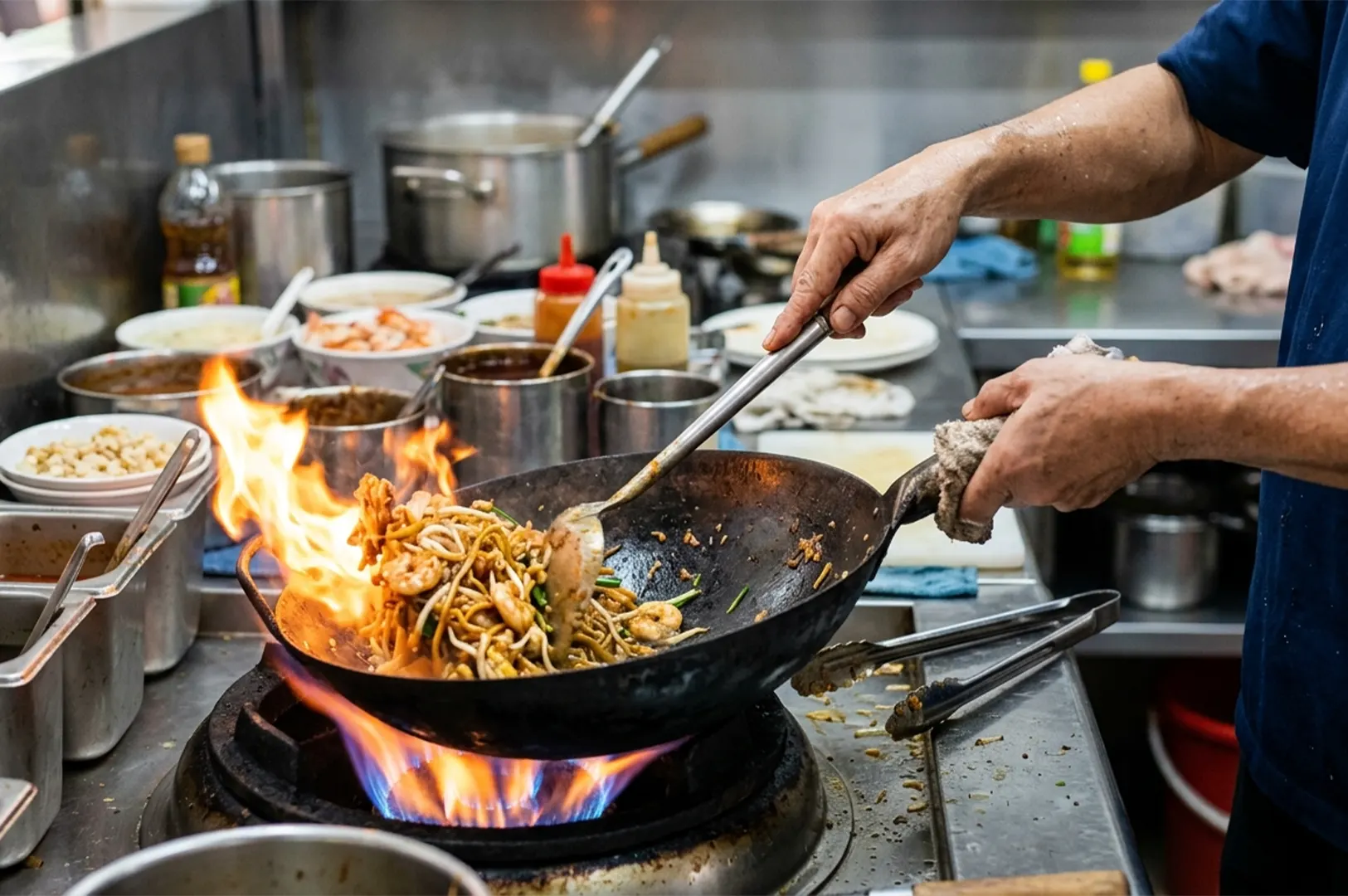
The chef is entirely isolated from the diner. At a hawker stall, that invisible wall disappears completely. You stand face to face with the person who is about to cook your meal. You watch the hawker sweat, smile, and skillfully toss ingredients into a roaring wok. When the vendor hands you a steaming bowl of noodles, you are sharing a direct, unscripted human exchange.
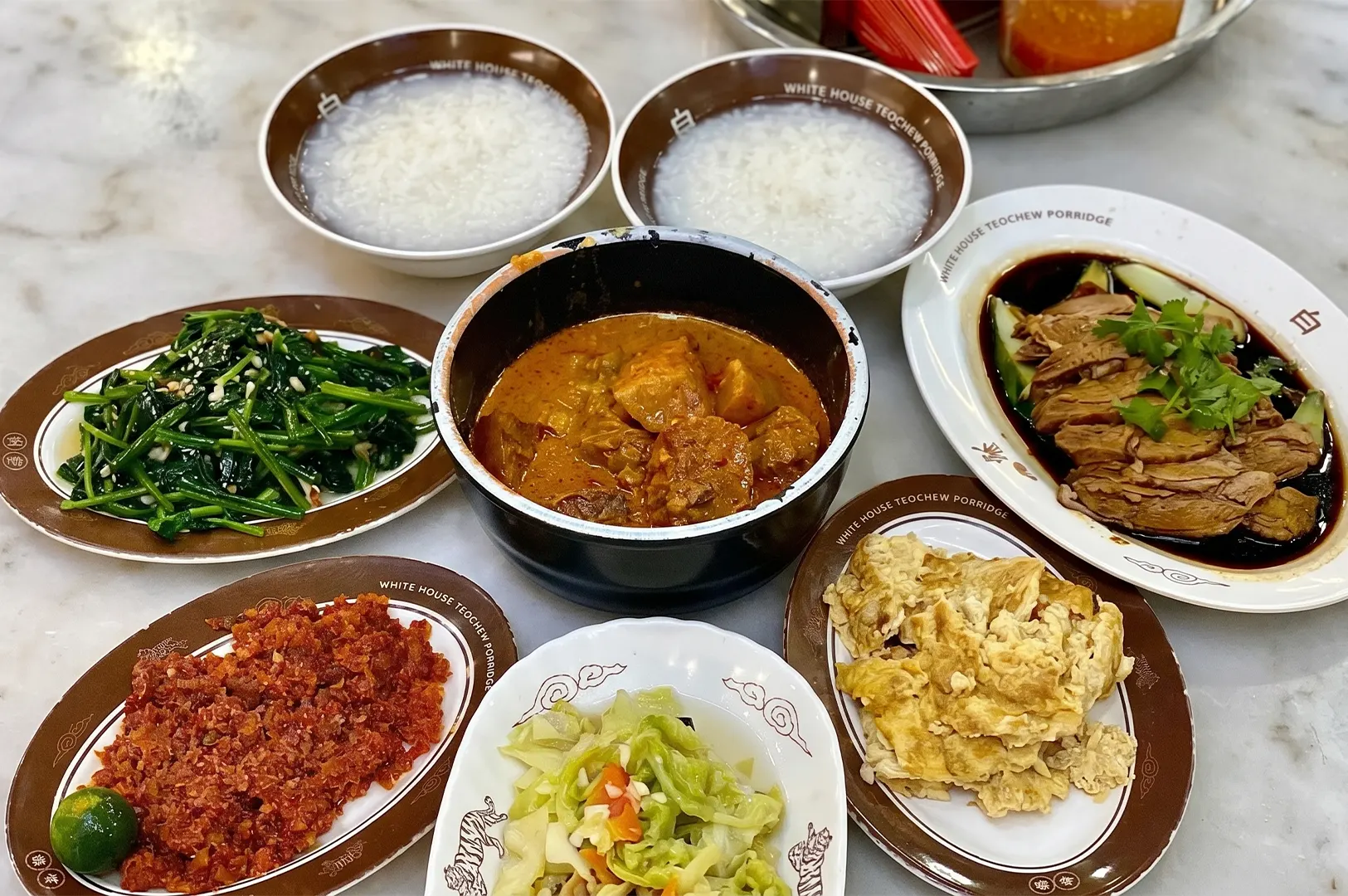
Furthermore, the food itself carries a different kind of emotional weight. Restaurant menus frequently change based on seasonal trends or the creative whims of a new culinary director. Hawker food is rooted in a stubborn, beautiful tradition. When you order a plate of chicken rice or a bowl of laksa, you are not just eating a recipe.
You are tasting a family heirloom. Many of these cooks have spent decades perfecting a single dish, using methods taught to them by their parents and grandparents. Every bite tells a story of migration, struggle, and immense pride. You can literally taste their family history.
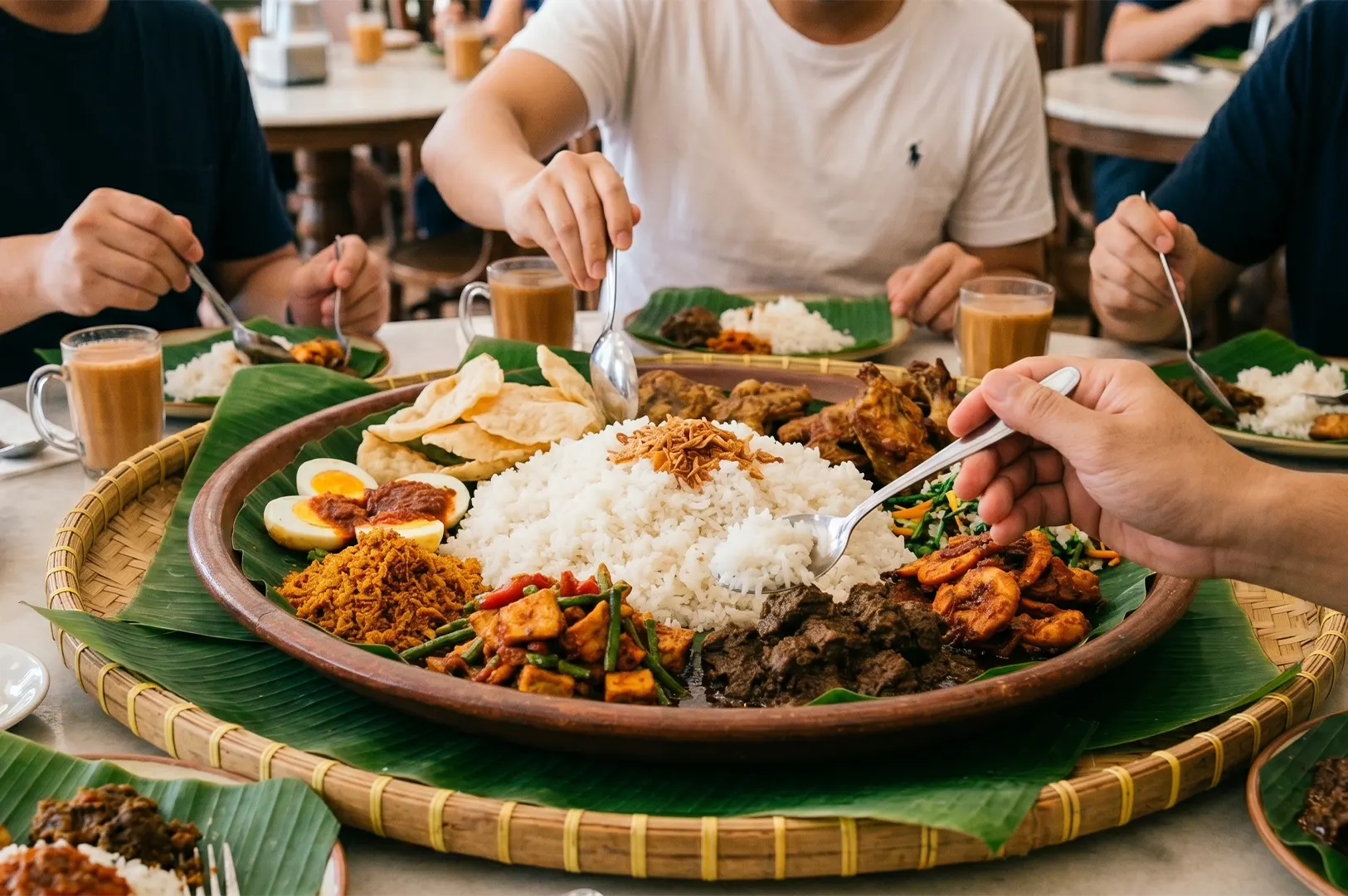
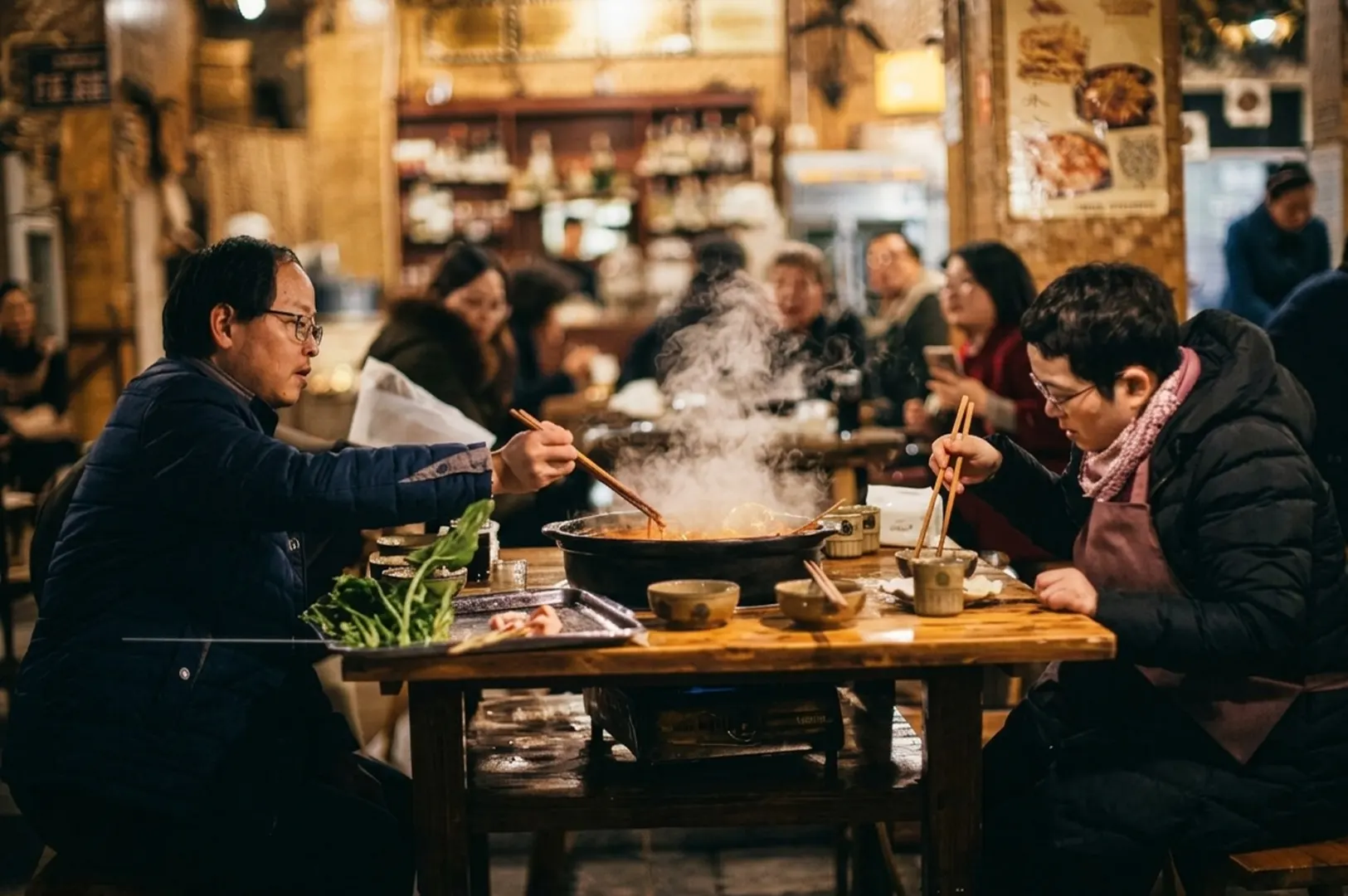
This deep sense of connection extends to the community around you. Hawker centers act as the great social equalizers of our society. You might find a corporate executive in a tailored suit sharing a slightly sticky plastic table with a retired taxi driver. The shared noise, the clanking of metal utensils, and the casual borrowing of chili sauce from a stranger foster a powerful sense of community. You are not secluded in a private booth. You are actively participating in the daily life of your city alongside your neighbors.
The next time you feel hungry, skip the online reservation. Grab a packet of tissues to reserve your seat, brave the midday heat, and pull up a simple plastic stool. Take a moment to talk to the person cooking your food. You will undoubtedly walk away with a full stomach and a profoundly full heart.