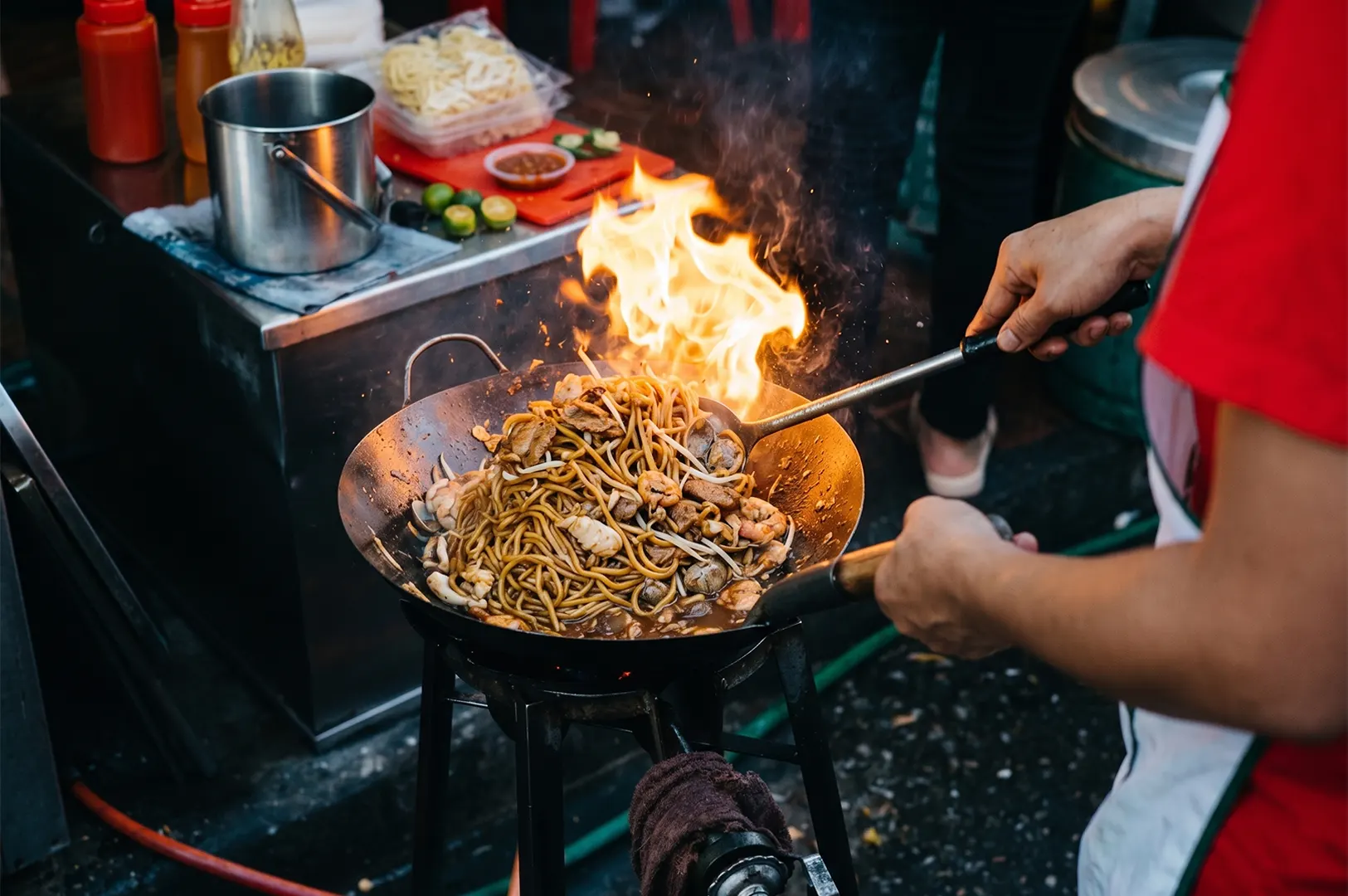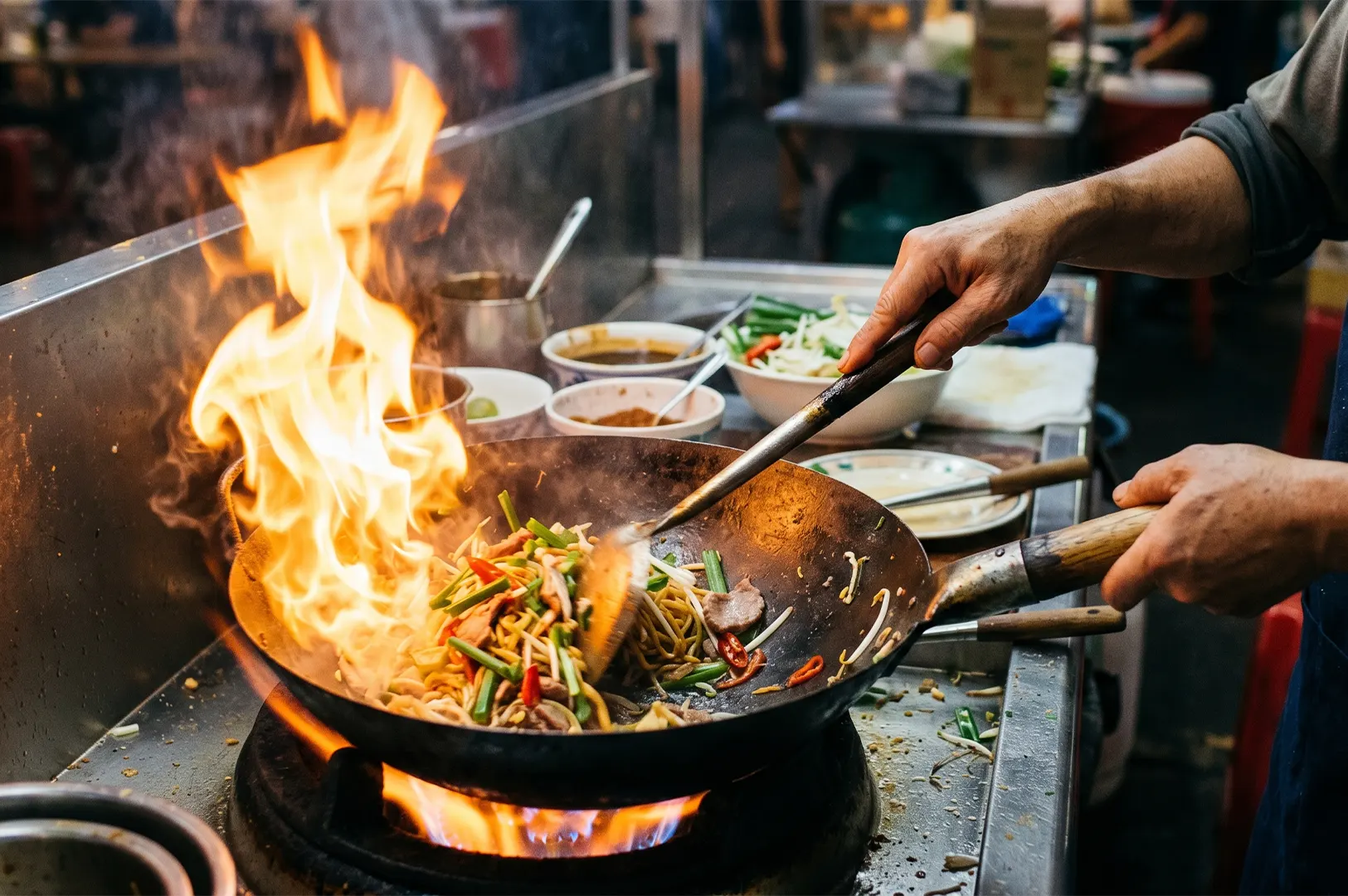
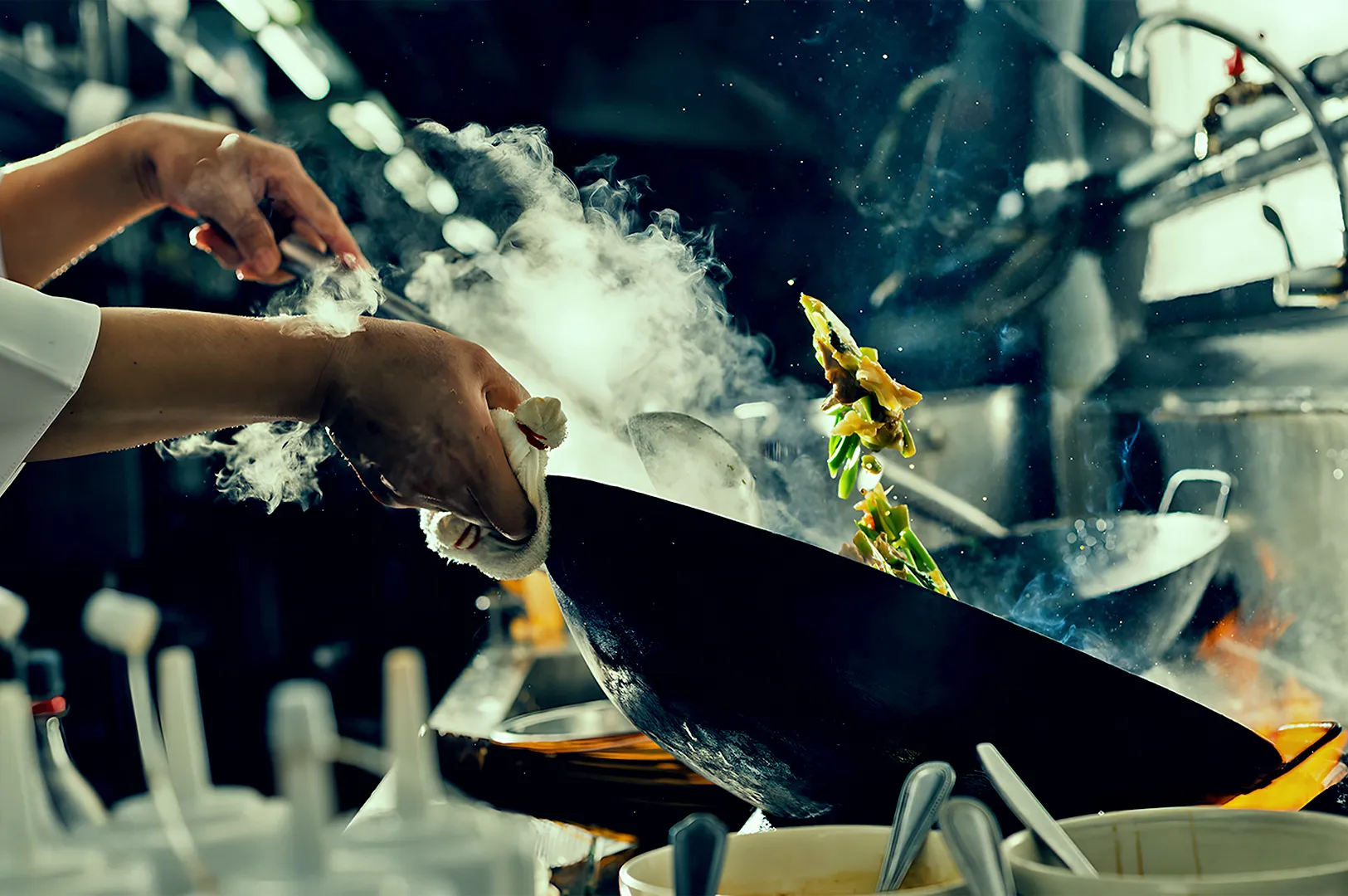
When I walk into any bustling Singapore hawker centre at peak hour, I hear it before I see it. The sharp clink of a metal spatula against a wok. The hiss of soy sauce hitting blistering heat. A quick flare of flame that kisses the rim, then vanishes. And then comes that unmistakable aroma that feels like it has been toasted, caramelised, and stirred into the air itself.
So how do hawkers consistently pull it off, even when the queue is long and the orders keep coming? From my experience, the answer sits at the intersection of firepower, physics, and pure craft, all essential in a quick and easy stir fry recipe.
What Wok Hei Really Is (And Why It’s So Hard to Fake in Chinese Restaurants)
To me, wok hei isn’t just one single flavour. It’s a layered sensory effect made up of:
Light smokiness from vaporised oils and sauces hitting intense heat
Deep savouriness and sweetness from rapid browning reactions
Tiny charred notes from ingredients briefly contacting hot metal
A clean, dry finish that keeps the dish from tasting greasy
From a food science perspective, the “wok hei” experience comes from a combination of:
Maillard reaction: browning between amino acids and sugars that creates roasted, nutty depth
Caramelisation: sugars breaking down into complex, toasty sweetness
Pyrolysis: very high heat causing fats and aromatics to break into smoky compounds
“Wok aroma” aerosol: microscopic droplets of oil and aromatics that rise with the heat, then settle back onto the food
This is why I find wok hei difficult to replicate at home. Most household stoves simply can’t deliver enough sustained heat to trigger the same chain of reactions fast enough without drying out the dish or overcooking ingredients.
The Heat: Firepower and High Heat Are the Starting Line, Not the Finish in My Simple Stir Fry
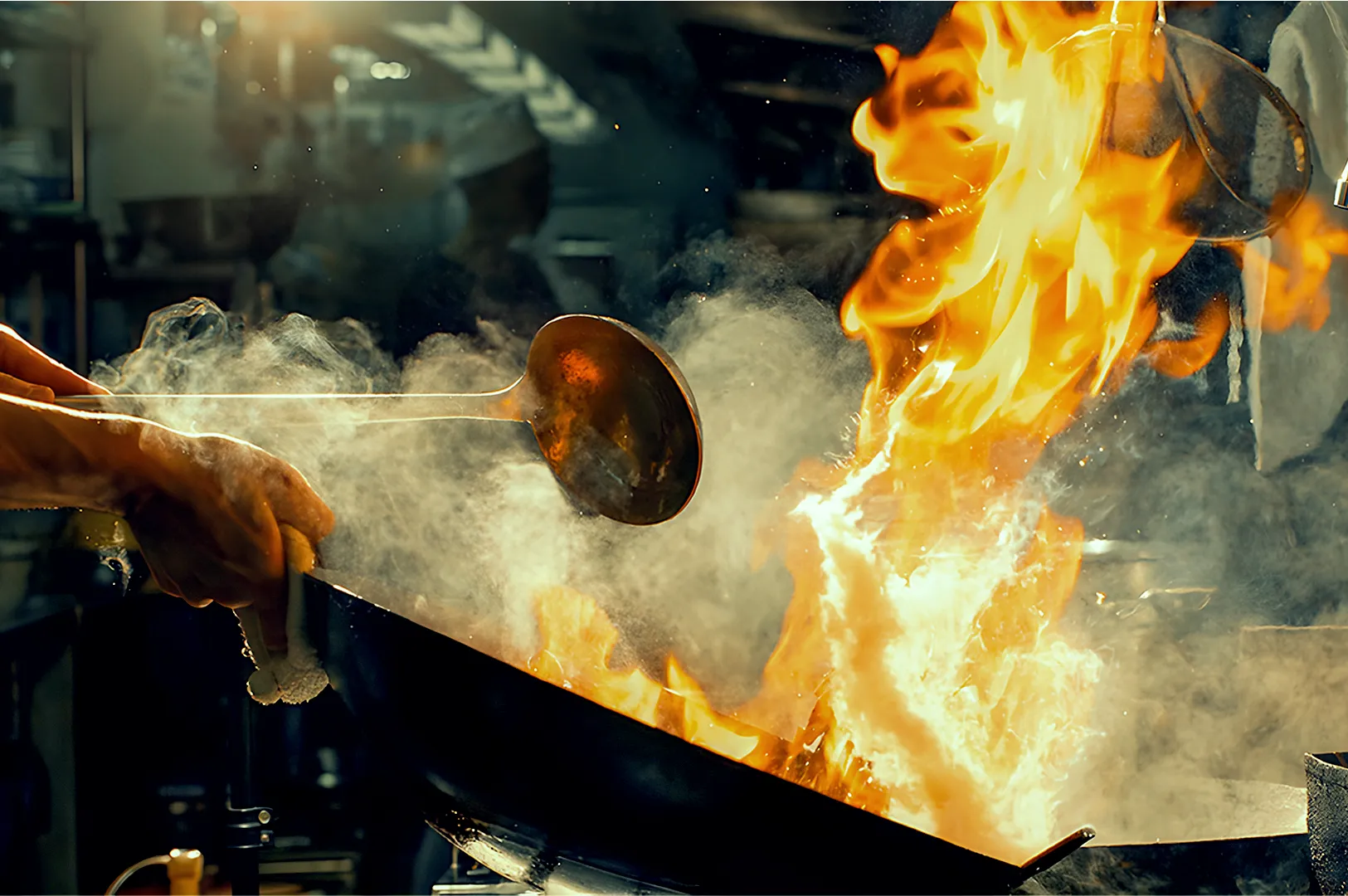
If wok hei had a headline ingredient, I’d say it’s heat. Hawker stoves are built for high output, often far beyond typical home burners. The wok itself can reach searing temperatures quickly, and that matters because wok hei is about speed.
Why Extreme Heat Matters in My Stir Fry Recipe
At the right temperature, I get rapid browning and brief charring without turning everything into ash. The heat does three crucial things:
Seals and browns surfaces quickly
Evaporates moisture fast so the dish stays crisp tender
Vaporises oil and aromatics to create that signature smoky aroma
Choosing the Right Equipment for Wok Hei at Home
If you want to capture that signature wok hei in your own kitchen, I’ve found the right equipment makes all the difference. The classic choice for me is a traditional wok, ideally made from carbon steel or cast iron. These materials are champions at holding and distributing high heat, which is essential for a proper stir fry.
My carbon steel wok heats up quickly and responds instantly to changes in flame, letting me toss, stir, and fry ingredients with precision. Cast iron is another solid option, especially if you love a pan that retains heat for longer stir fry sessions.
The Timing: Wok Hei Is Won or Lost in Seconds When You Stir and Toss
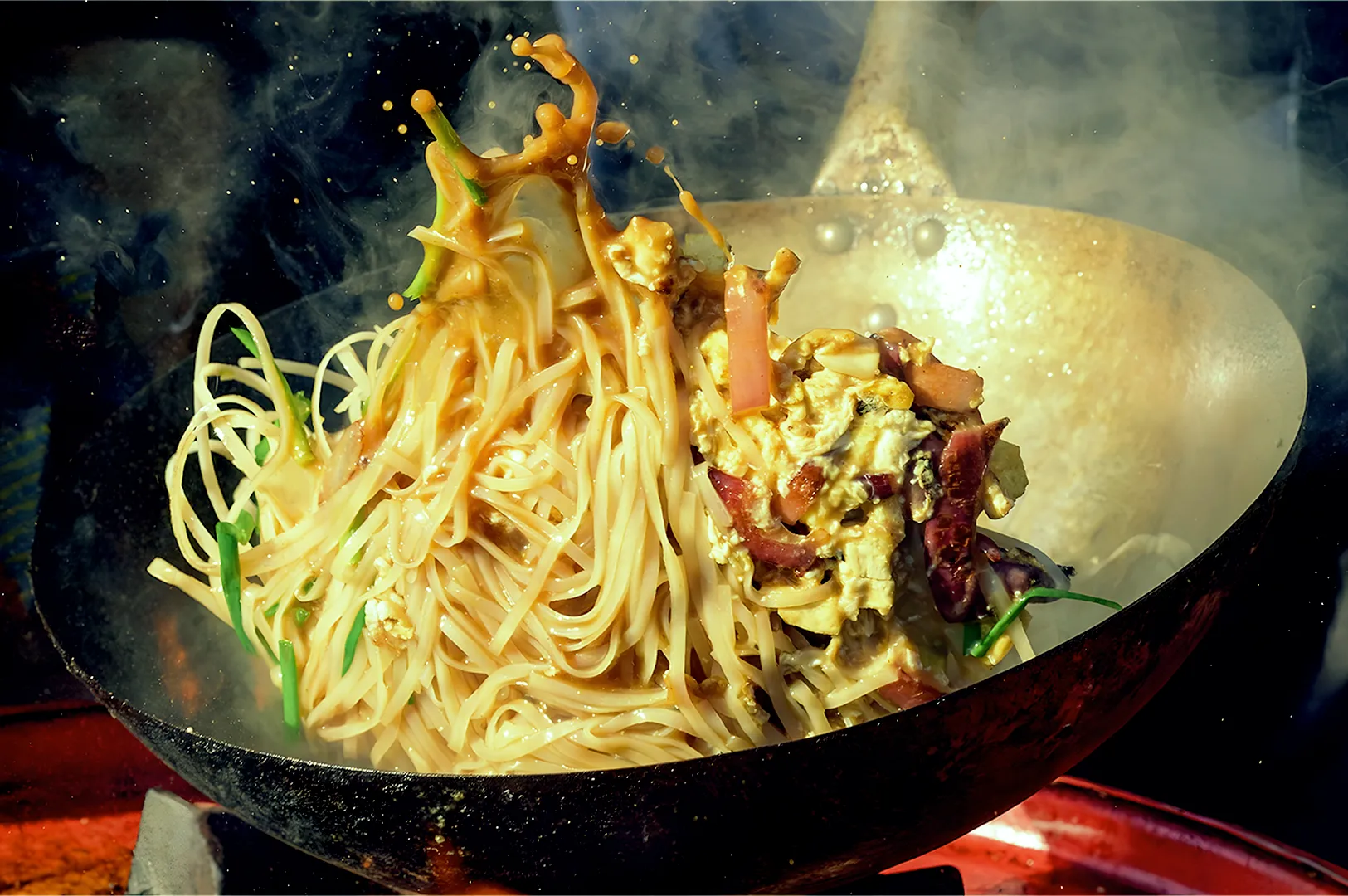
Even with a roaring flame, wok hei doesn’t automatically happen. Timing is the difference between smoky fragrance and bitter burn. From my own experience cooking at home, I’ve realized that mastering this timing is truly an art.
It’s about knowing exactly when to toss, when to add sauce, and when to pull the ingredients off the heat to preserve that perfect balance of smoky aroma without crossing into bitterness. This delicate dance is what separates a good stir fry from an unforgettable one, and it’s something I love to practice every time I’m in the kitchen.
Moisture Is the Enemy of Wok Hei in a Fry Recipe
Wok hei depends on high heat contacting food and creating browning. Too much moisture cools the wok and creates steam, which leads to:
Softer texture
Less browning
A wet, heavy flavour instead of a smoky, roasted one
That is why I often work in smaller batches and am particular about ingredient prep.
Ingredient Prep: The Hidden Work Behind the Show in My Simple Stir Fry
Before the flame even starts, I set the stage for wok hei. I carefully chop vegetables into appropriate sizes, such as batons, to ensure even cooking and convenience during meal preparation. Protein, whether it’s beef, chicken, or tofu, is prepped alongside the vegetables. Other ingredients, such as aromatics and seasonings, are prepared to enhance the flavor and texture of the stir fry.
Dry Ingredients and Fresh Veggies for Fast Cooking
My common strategies include:
Draining and drying noodles to reduce surface water
Using day-old rice for fried rice because it is drier and separates better
Pre-cooking ingredients that would otherwise release too much liquid
Cutting proteins like chicken thighs or beef into thin strips so they cook at the same pace
Using fresh vegetables such as broccoli, bell pepper, carrots, red peppers, mushrooms, spinach, sugar snap peas, onion, and other veg enhances both flavor and texture. I prefer fresh vegetables over frozen options for better results in stir fries.
I find stir fry recipes to be flexible and can accommodate a variety of veg and proteins, allowing me to mix and match based on preference or what I have on hand.
The Role of Oil, Aromatics, and Sauce Ingredients
Oil is not just for frying. It carries aroma, coats ingredients for even browning, and helps form the smoky aerosol that defines wok hei. I always remember to season the dish to taste to enhance its overall flavor.
Garlic, ginger, onions, and sometimes toasted sesame oil or olive oil are used carefully. Ginger and garlic are especially important as common aromatics that boost the depth of flavor. Too little fat and the dish tastes flat and scorched. Too much and it turns greasy, masking the very aroma I want. Before adding to the wok, I whisk together my sauce ingredients to ensure a smooth, evenly mixed sauce that coats every ingredient.
A good stir fry sauce is essential for adding flavor to the dish. Sauce ingredients like soy sauce, chicken broth, honey, and red pepper flakes are added at precise moments so the fry sauce thickens perfectly, making all the difference in flavour and texture. Stir fry sauce typically includes soy sauce for saltiness and depth, toasted sesame oil for rich flavor, and other flavor-enhancing ingredients.
The Skill: My Wrist Is a Thermostat in a Quick and Easy Stir Fry Recipe
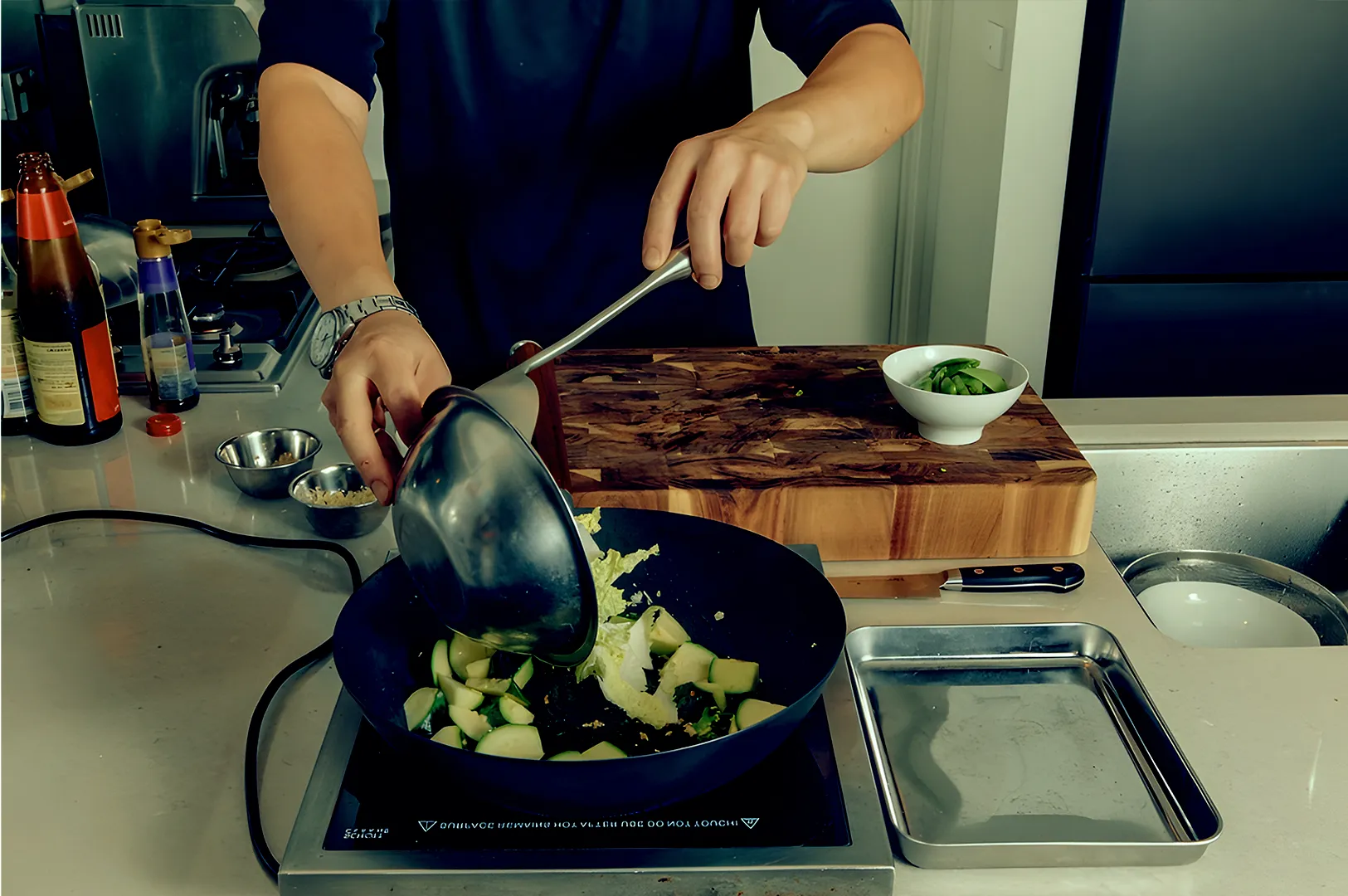
When I’m cooking, my wrist movement follows a rhythm. Scoop, press, toss, scrape, repeat. The movement isn’t theatrical, it’s functional.
The Toss Does More Than Mix in Stir Fry
Tossing helps by:
Exposing more surface area to heat
Letting ingredients briefly lift off the hot metal, preventing burning
Encouraging sauce to coat and caramelise evenly
Creating bursts of aroma as hot oil droplets disperse and re-land on the food
This is why wok hei is often strongest in dishes where I’m constantly moving the ingredients, like Singapore noodles, fried Hokkien mee, and certain stir-fried rice dishes.
Sauces and Seasoning: The Moment They Hit the Wok Changes Everything in a Stir Fry Sauce
A signature part of wok hei comes from liquids hitting intense heat and transforming fast.
When soy sauce, oyster sauce, or chicken broth touches a screaming hot wok, it can:
Reduce rapidly, concentrating flavour
Caramelise at the edges
Release volatile aroma compounds that read as smoky and toasted
But there is a knife-edge here. Too early and the sauce burns. Too late and it stays raw, salty, and thin.
For the perfect finish, I garnish the stir fry with green onions and a sprinkle of sesame seeds just before serving to enhance both flavor and presentation.
Simple and Easy Options for Achieving Wok Hei at Home
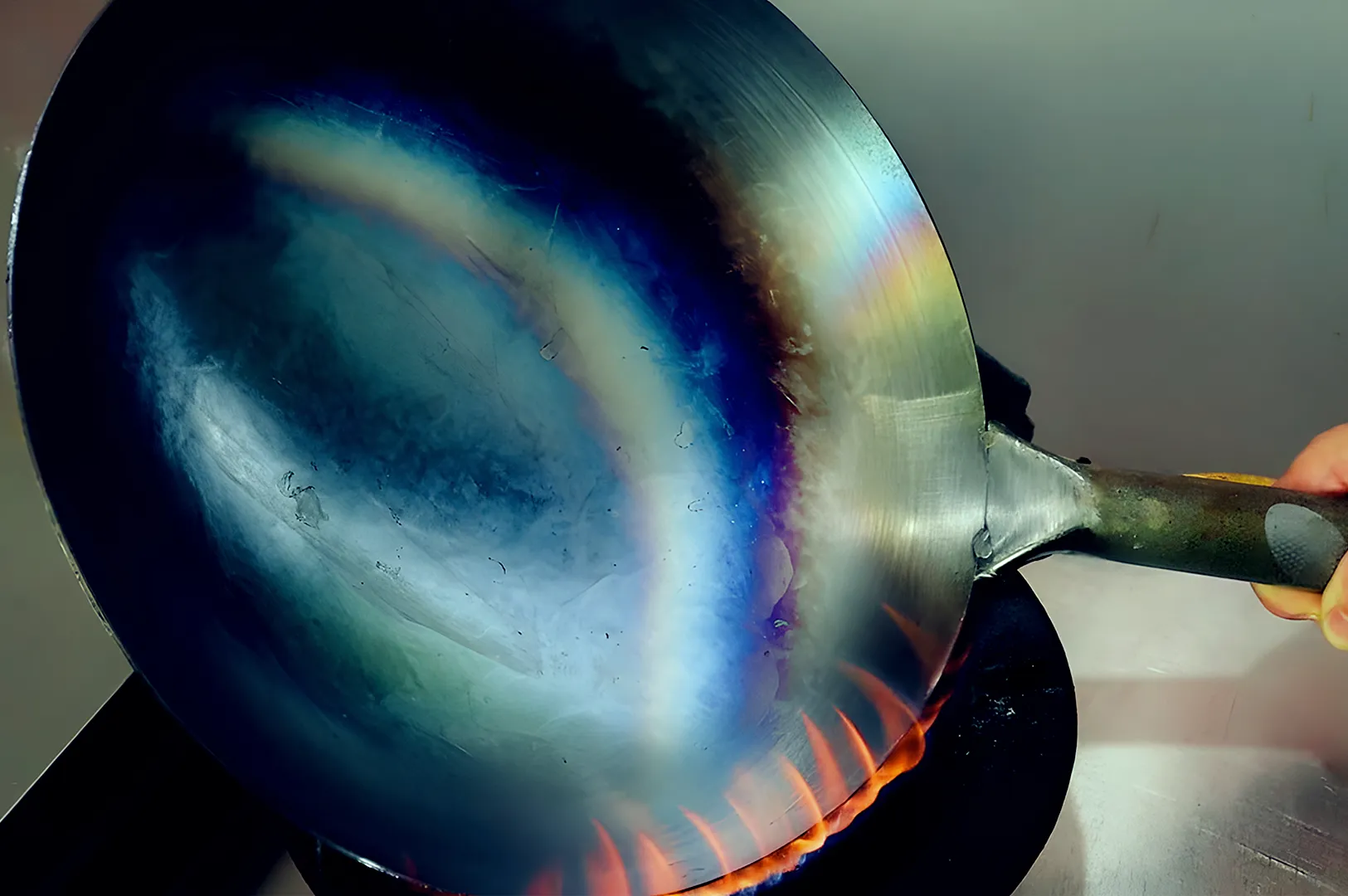
Bringing wok hei into your home kitchen doesn’t have to be complicated. With a few simple tricks and the right ingredients, you can whip up a quick and easy stir fry recipe that rivals your favourite Chinese restaurants. The secret? High heat, the right pan, and a smart approach to your stir fry sauce and ingredients.
I start by cranking up my stove to its highest setting. If I’m using an electric stove, I consider a wok ring or heat diffuser to boost the heat, or I take my wok outdoors to a portable gas burner for even more firepower. Once my wok or large skillet is hot, I add a drizzle of oil and let it shimmer.
For a simple stir fry, I slice chicken thighs into thin strips for fast, even cooking. I toss them into the pan with a handful of crisp snap peas, colourful bell peppers, and a sprinkle of red pepper flakes for a touch of heat. I add minced garlic and ginger for that classic aroma, then stir-fry everything quickly, stirring occasionally to keep the ingredients moving and prevent burning.
Common Myths About Wok Hei (And What Actually Matters in a Simple Stir)
Myth 1: Wok Hei Is Just “Burnt Taste”
Burnt is harsh and bitter. Good wok hei is fragrant, rounded, and inviting. It should make you hungry, not make you cough.
Myth 2: You Need Flames Licking the Wok
Flare-ups can happen, but they are not the goal. The goal is controlled high heat and fast evaporation. A dramatic flame can look impressive, but it can also scorch oils and produce bitterness if unmanaged.
Myth 3: It’s Impossible Without a Hawker Stove
It is harder at home, but technique helps. Use high heat, avoid overcrowding, keep ingredients dry, and cook in smaller batches. You may not replicate peak hawker-level wok hei, but you can get closer than you think.
Why Wok Hei Matters in Singapore’s Hawker Culture and Stir Fry Recipes
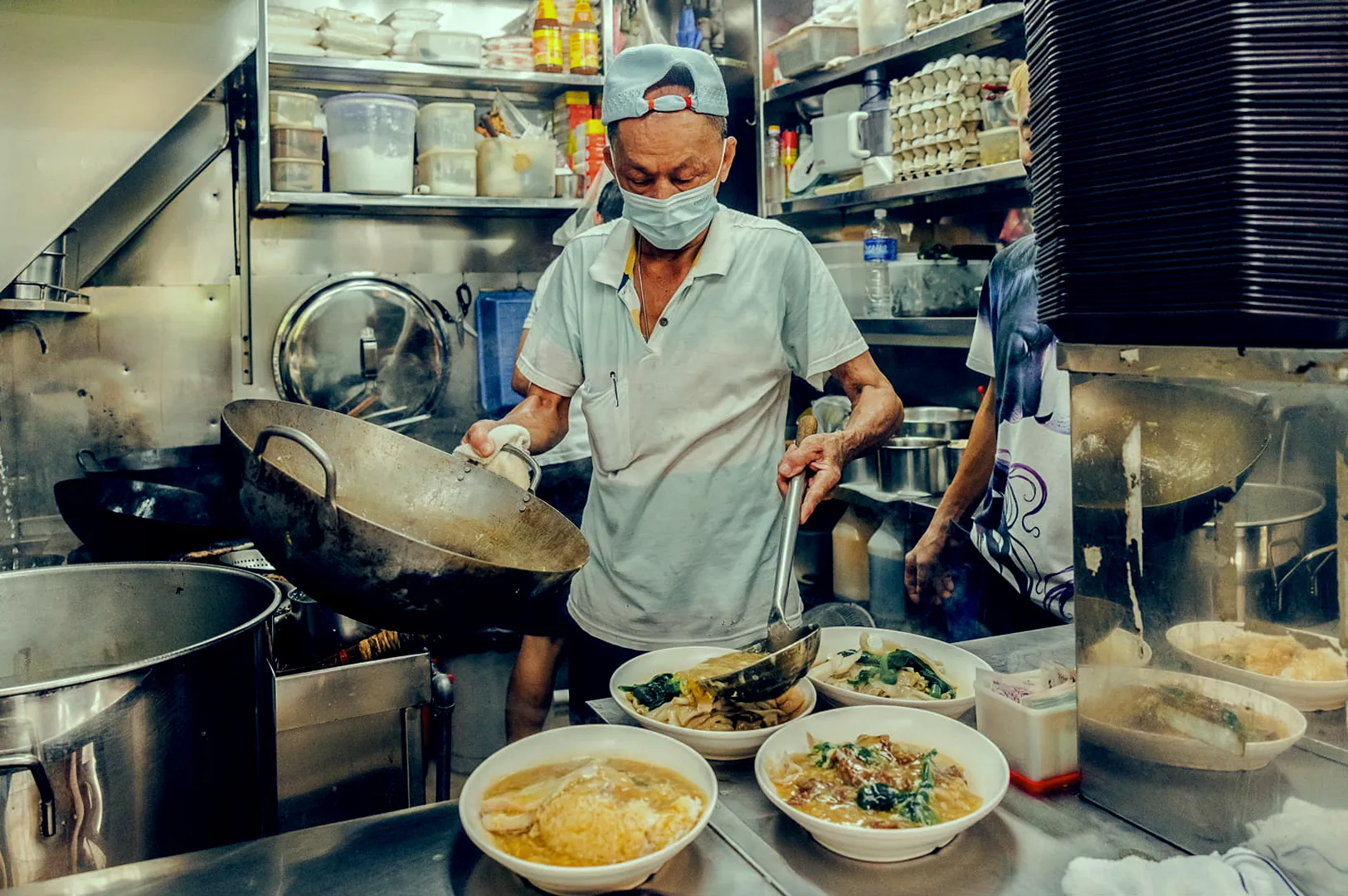
Wok hei is more than a cooking effect. It is part of what makes hawker food feel uniquely Singaporean: fast, bold, and built for crowds without losing soul.
It represents a kind of everyday excellence. A hawker might cook hundreds of plates in a day, yet each plate demands the same split-second decisions. Heat, timing, skill. Repeat. That mastery is why hawker centres are not just places to eat, but places where craft lives in public.
Skill is the difference between “fried noodles” and that smoky, punchy, unforgettable plate that keeps you coming back.
For more hawker insights and Wok hei insights, visit and click Wok Hei, Heritage, and the Soul of Chinese Cuisine Singapore