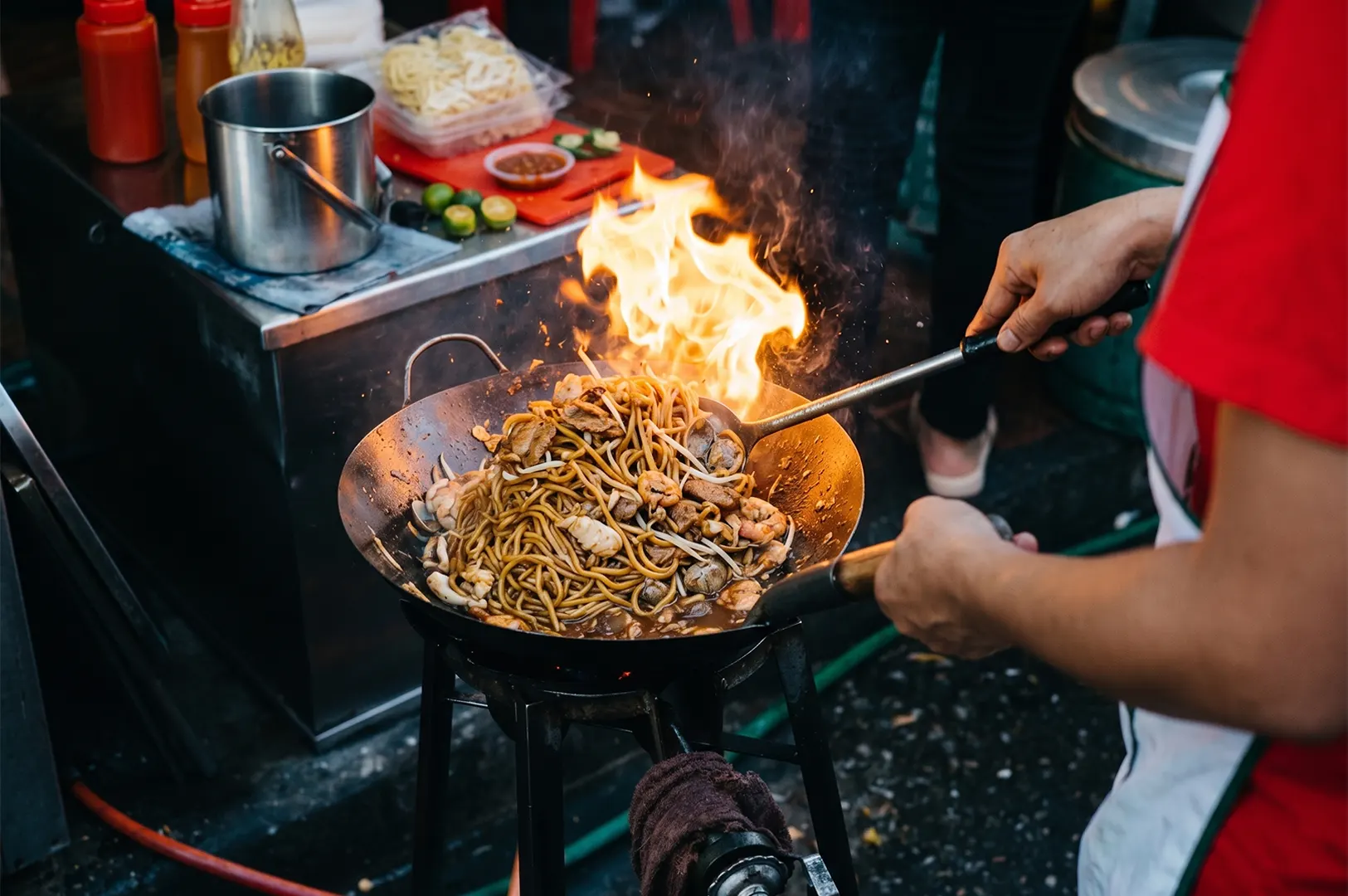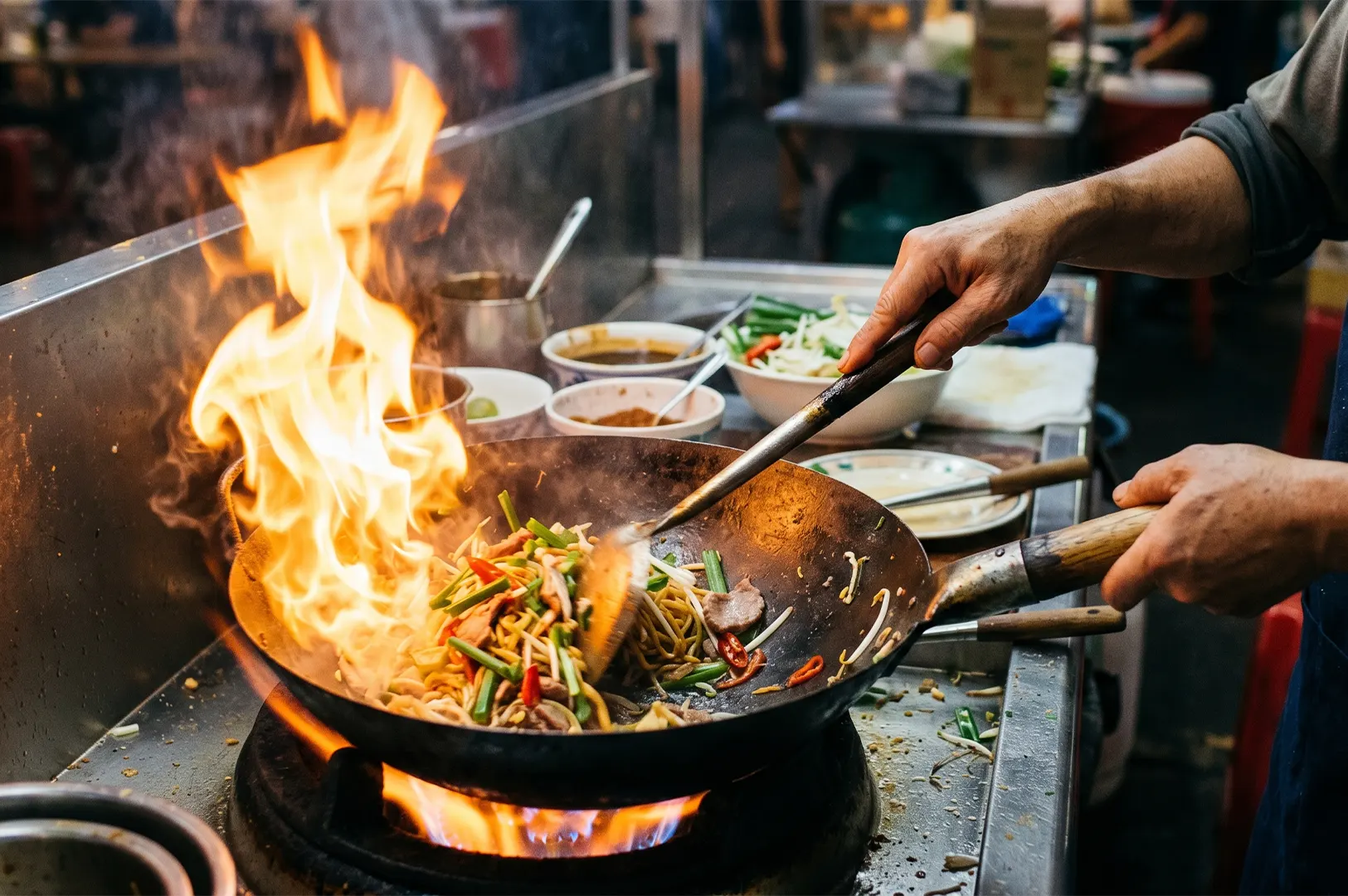
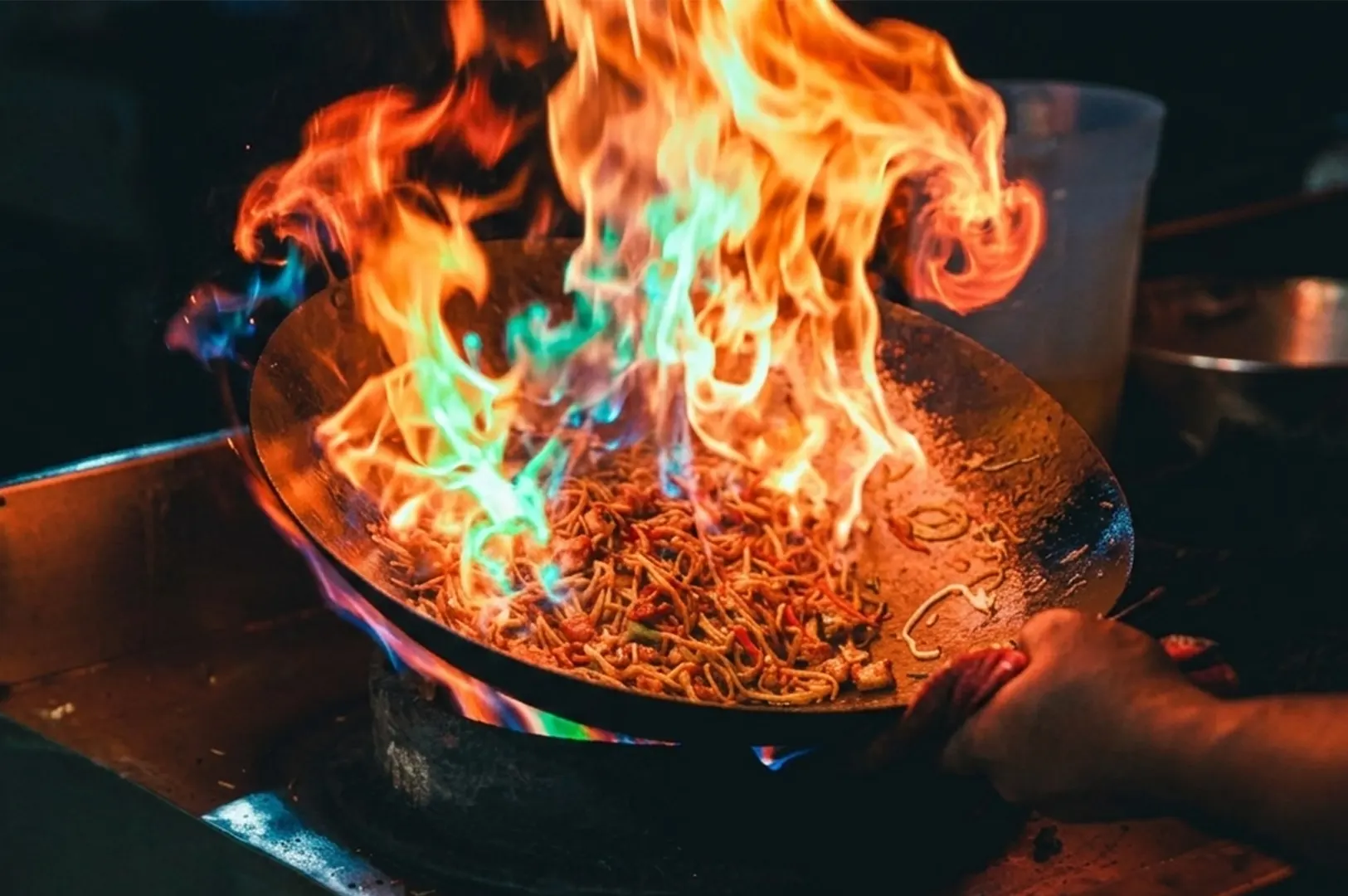
The sun sets over the island, and the local food centre comes alive. Bright fluorescent lights buzz overhead. The heavy, humid air fills with a symphony of rhythmic metallic clangs. Everywhere you look, towering pillars of orange flame roar to life under heavily seasoned carbon steel pans. The air is thick with the scent of caramelized soy sauce, toasted garlic, and searing oil.
I have spent countless nights sitting on these plastic stools at popular stalls, often marked by a long line that signals both quality and anticipation, in hawker centers like Maxwell Food Centre and Amoy Street Food Centre. Yet, the magic of this fiery spectacle never gets old.
At the absolute center of this chaotic, thrilling environment is a single culinary concept. It is the elusive, intoxicating essence that elevates a simple plate of noodles or fried rice into an unforgettable masterpiece. We are talking about wok hei.
Demystifying the Breath of the Wok in Singapore’s Hawker Centers
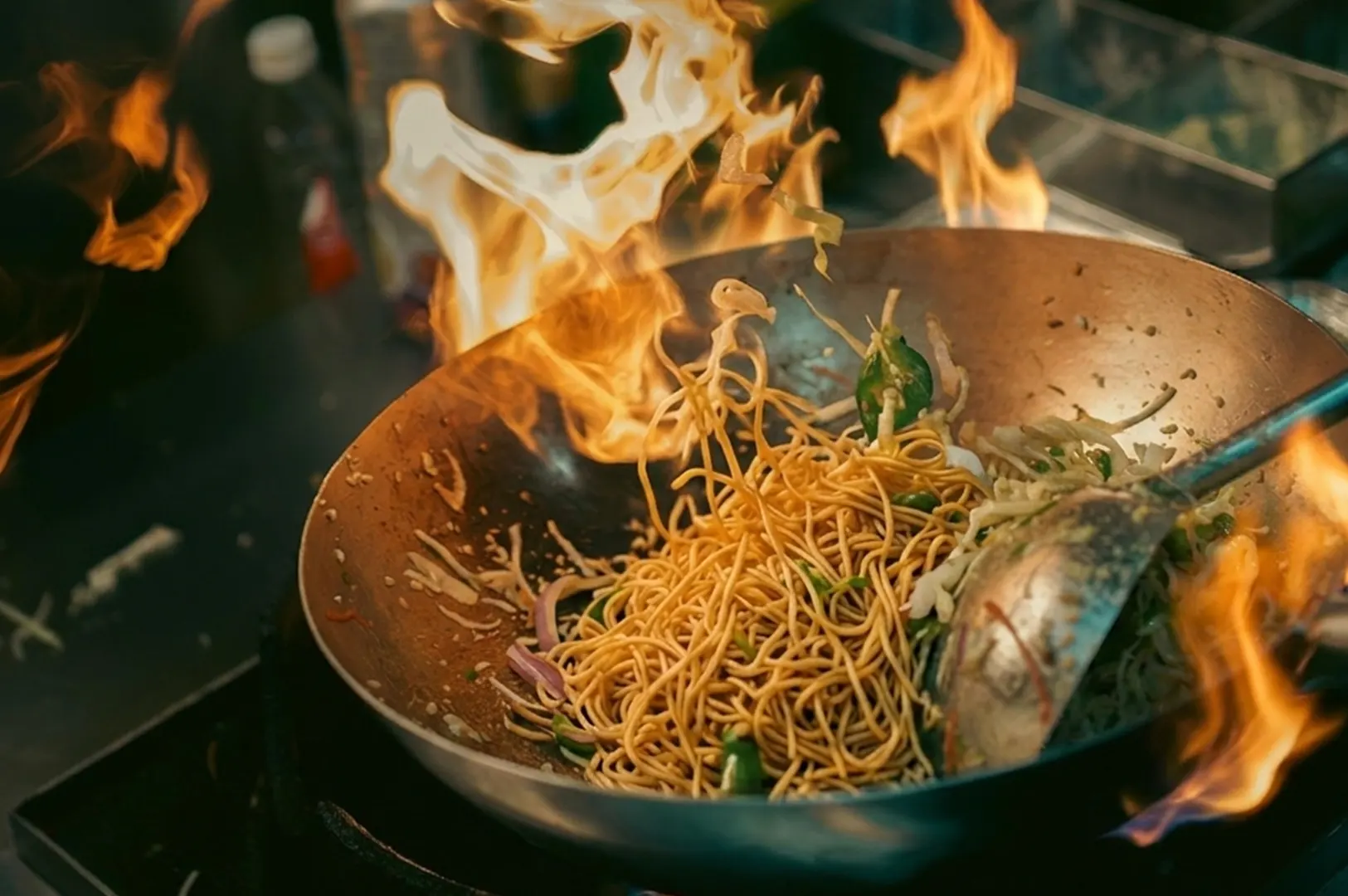
If you ask a local food lover to define wok hei, you will likely get a passionate but slightly vague explanation. The term translates literally from Cantonese as “the breath of the wok.” However, translation rarely captures the true sensory experience.
For diners enjoying a bowl of hor fun or rice noodles, wok hei is not a single flavor. It is a fleeting, complex aromatic experience. It is the distinct smoky aroma that hits your nose just before the plate reaches your table. It is the deeply savory, slightly charred essence that coats every single grain of rice or strand of noodle. It transforms heavy ingredients like pork belly, chicken, and seafood into dishes that taste surprisingly light and vibrant. Capturing this breath is the ultimate test of a hawker stall cook’s skill.
A Culinary Migration from Guangdong to Singapore's Food Centres
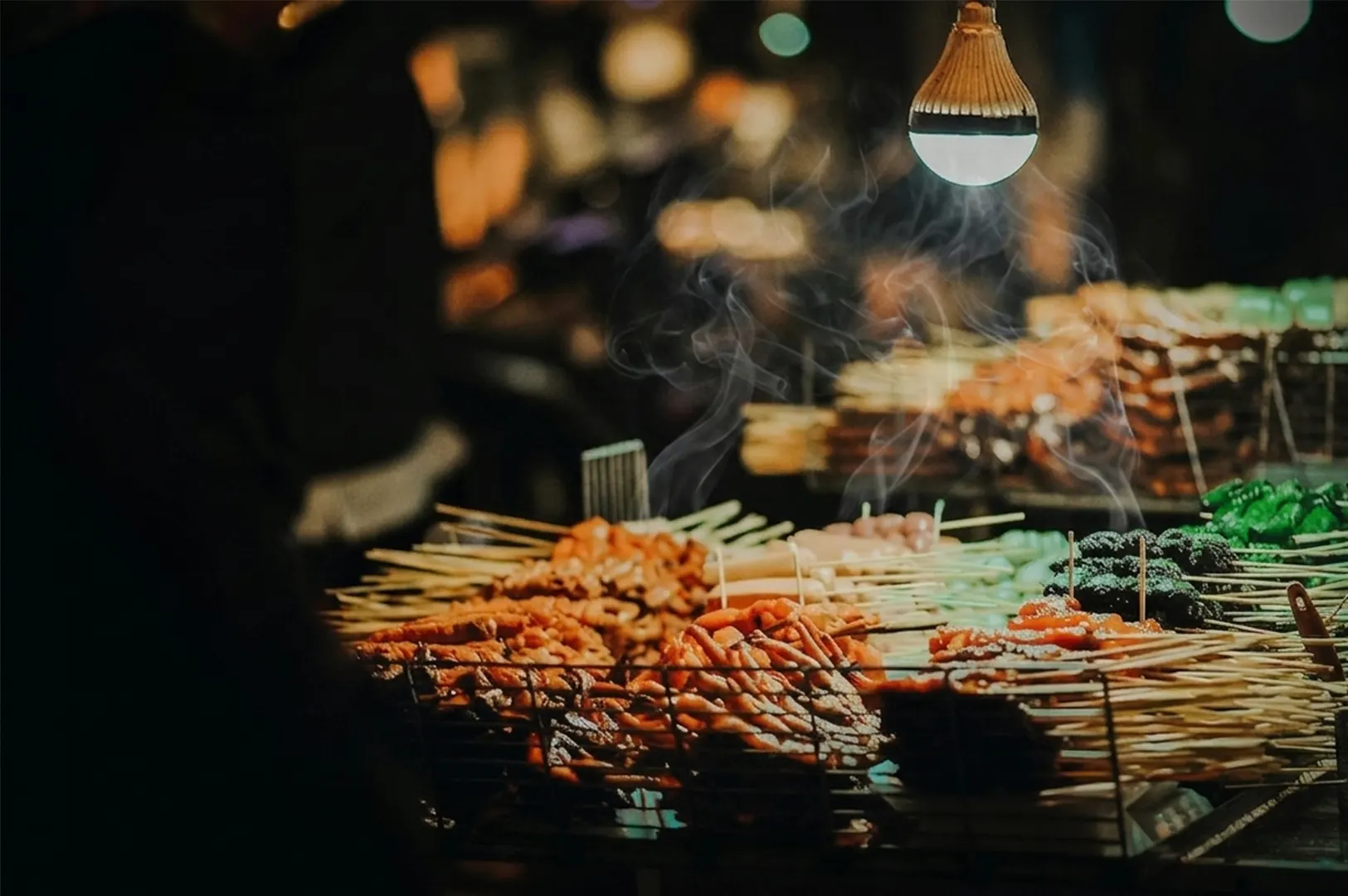
To understand how this spectacular technique became the heartbeat of Singapore’s hawker food culture, we must look to the past. The mastery of wok cooking traveled across the ocean with early Chinese immigrants from Guangdong province. These southern Chinese pioneers brought their most prized possessions to Southeast Asia, including their recipes, their unyielding work ethic, and their woks.
Over time, this intense kitchen discipline adapted to the realities of the Singapore street food scene. Mobile street carts gave way to the organized, bustling hawker centres we see today, such as Newton Food Centre, Albert Food Centre, and Tekka Center. The fierce competition in these food hubs meant that only the most skilled cooks survived. The mastery of the wok became a badge of honor and a strict requirement for success.
The Science and Craft of the Flame Behind Popular Dishes Like Soya Sauce Chicken Rice and Carrot Cake
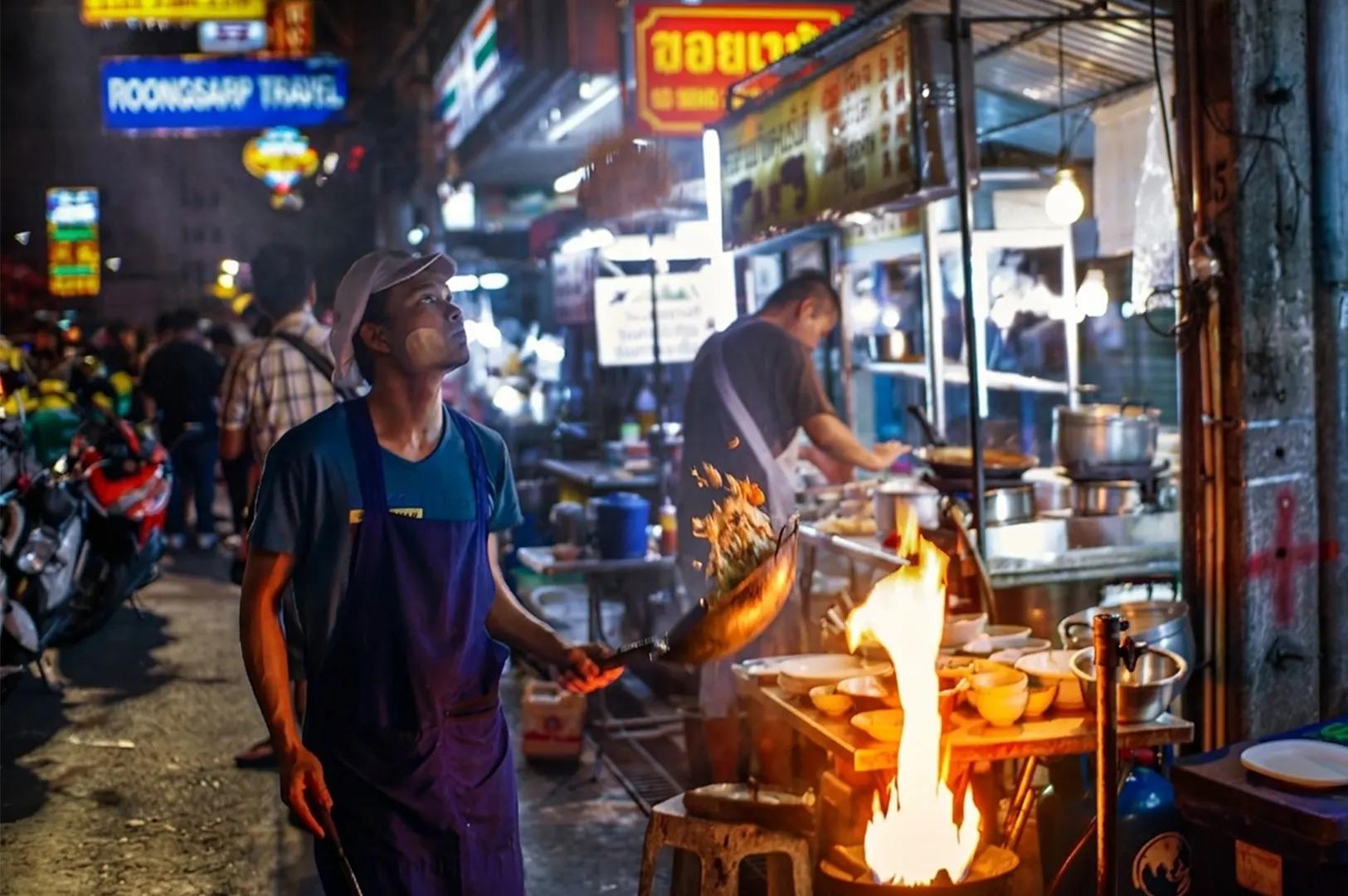
While the history is deeply romantic, the actual creation of wok hei is rooted in hard science. It is an intense, high-speed balancing act. A single misstep can result in a soggy mess or a bitter, burnt disaster.
Achieving that perfect smoky resonance requires absolute control over several crucial variables:
Extremely high heat and burner design: Standard residential stoves lack the power needed. Hawker burners operate like jet engines, generating the massive thermal energy required to sear food instantly.
Wok seasoning and polymerized oil layers: A well-used wok develops a slick, black patina. This layer of polymerized oil prevents sticking and contributes to the signature complex flavor found in dishes like bbq pork, char siew, and white carrot cake.
The Maillard reaction, light charring, and controlled smoke: As ingredients hit the screaming hot metal, their sugars and amino acids react rapidly. Tiny droplets of oil atomize in the air, catching fire just enough to kiss the food with smoke.
Timing and batch size: Overcrowding the pan drops the temperature. Hawkers cook in small, precise batches to ensure every ingredient sears rather than stews, preserving the natural sweetness of meats, meat, and vegetables.
Ingredient moisture management: Excess water is the enemy of wok hei. Ingredients must be perfectly drained so they fry rapidly without steaming.
Ingredients like shrimp, mutton, and oysters are commonly used in hawker dishes and benefit from the intense heat and quick cooking of wok hei, which helps lock in their flavors and textures.
Oil choice and quantity: Cooks must use a high smoke point oil, often chicken fat, in just the right amount to lubricate and fry the ingredients without making the final dish greasy.
Wok tossing technique and airflow: The rhythmic tossing motion aerates the ingredients. It allows moisture to escape while plunging the food through the concentrated heat zone.
The Old Guard and Muscle Memory in Chinese Restaurants and Hawker Stalls
If you watch an older hawker at work in places like Maxwell Food Centre or Amoy Street Food Centre, you are watching a lifetime of muscle memory in motion. For the veteran cooks, creating wok hei is completely intuitive. They do not measure their sauces or time their cooking with a clock. They listen to the hiss of the oil.
They watch the color of the smoke. For them, the wok is an extension of their own arm. Many of these older hawkers are masters of Chinese cuisine, preserving traditional recipes and techniques that have been passed down through generations. This mastery was forged through decades of grueling, repetitive labor. They honor the old ways, knowing that shortcuts destroy the soul of the dish.
The New Generation and Modern Constraints in Singapore’s Food Courts
Today, a new wave of younger hawkers is stepping up to the stove. They face a very different set of challenges. Modern diners demand absolute consistency, and health regulations restrict certain traditional practices. These younger cooks often approach wok hei with an analytical mindset. They standardize heat levels, weigh their ingredients, and focus on streamlining operations.
While their methods might look different from their grandparents, their respect for the craft remains the same. The recipes stay intimately familiar, but the techniques evolve to survive in a modern economy. They are keeping the flame alive for the next generation.
Exploring Little India: Beyond Wok Hei in Singapore’s Hawker Heritage
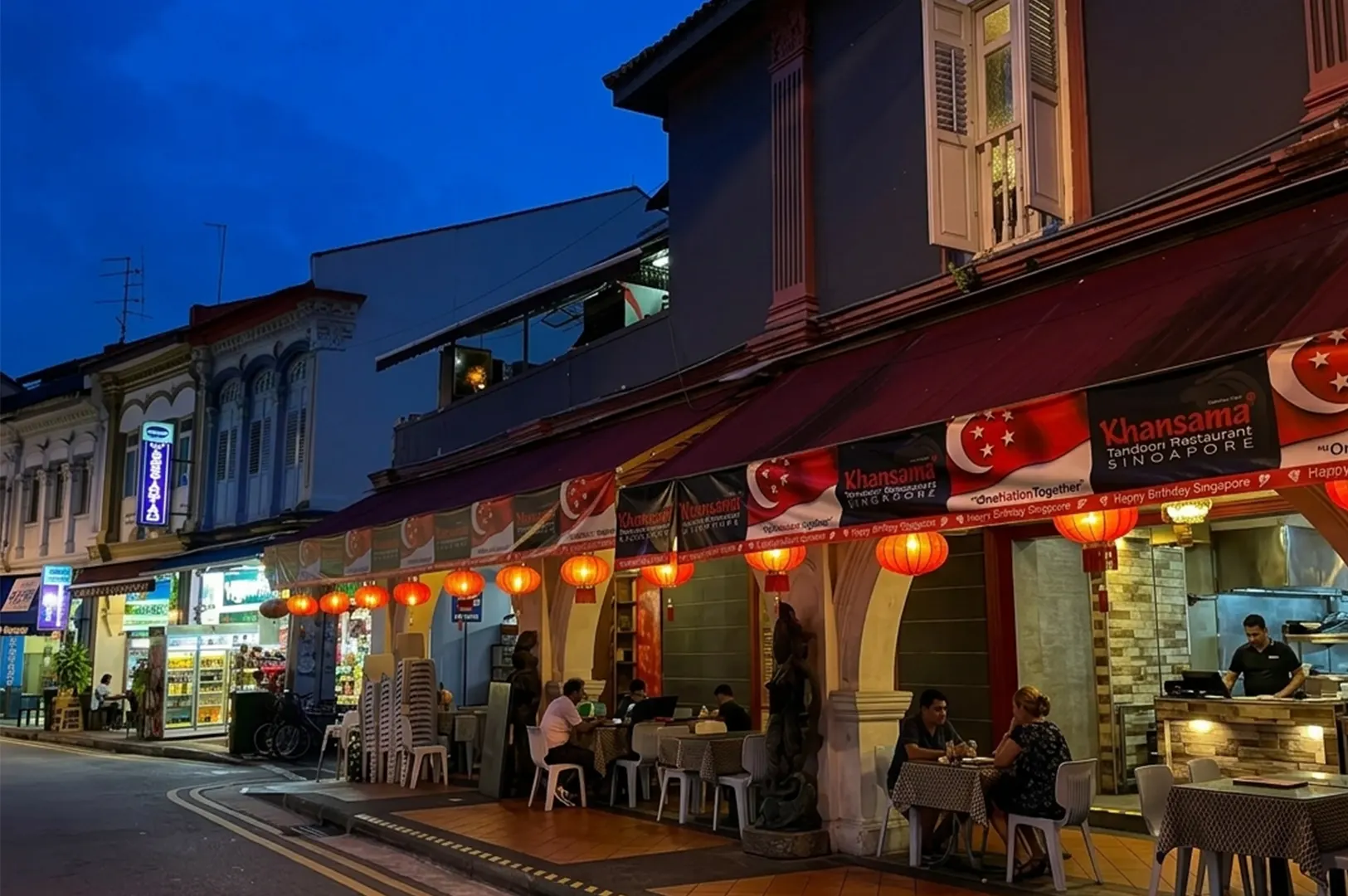
At the heart of Little India’s food scene is the iconic Tekka Center, a bustling hawker centre and wet market that’s a short walk from the district’s main thoroughfares. Inside, you’ll find a dazzling array of Indian dishes, think spicy curries, fragrant biryanis, and rich, coconut-laced gravies, served alongside Chinese and Malay favorites. The wet market itself is a sensory adventure, with vendors calling out over piles of fresh vegetables, glistening seafood, and mounds of aromatic spices, all waiting to be transformed into the next unforgettable meal.
One of the must-try dishes here is the beloved carrot cake, not the sweet Western dessert, but a savory local classic made from radish and rice flour. Whether you opt for the white carrot cake, with its delicate, eggy crust and subtle soy sauce seasoning, or the black version, caramelized with sweet soy sauce, each bite is a perfect balance of crispy edges and tender, flavorful cake. Pair it with a side of spicy chili sauce for even more flavour.
For those craving the smoky char of grilled meats, Tekka Center’s chicken satay and BBQ pork stalls are legendary. Skewers of marinated chicken, pork, or beef are grilled over open flames, then served with a rich, nutty peanut sauce that’s both sweet and spicy. The satay’s natural sweetness and charred edges make it a perennial favorite among many Singaporeans.
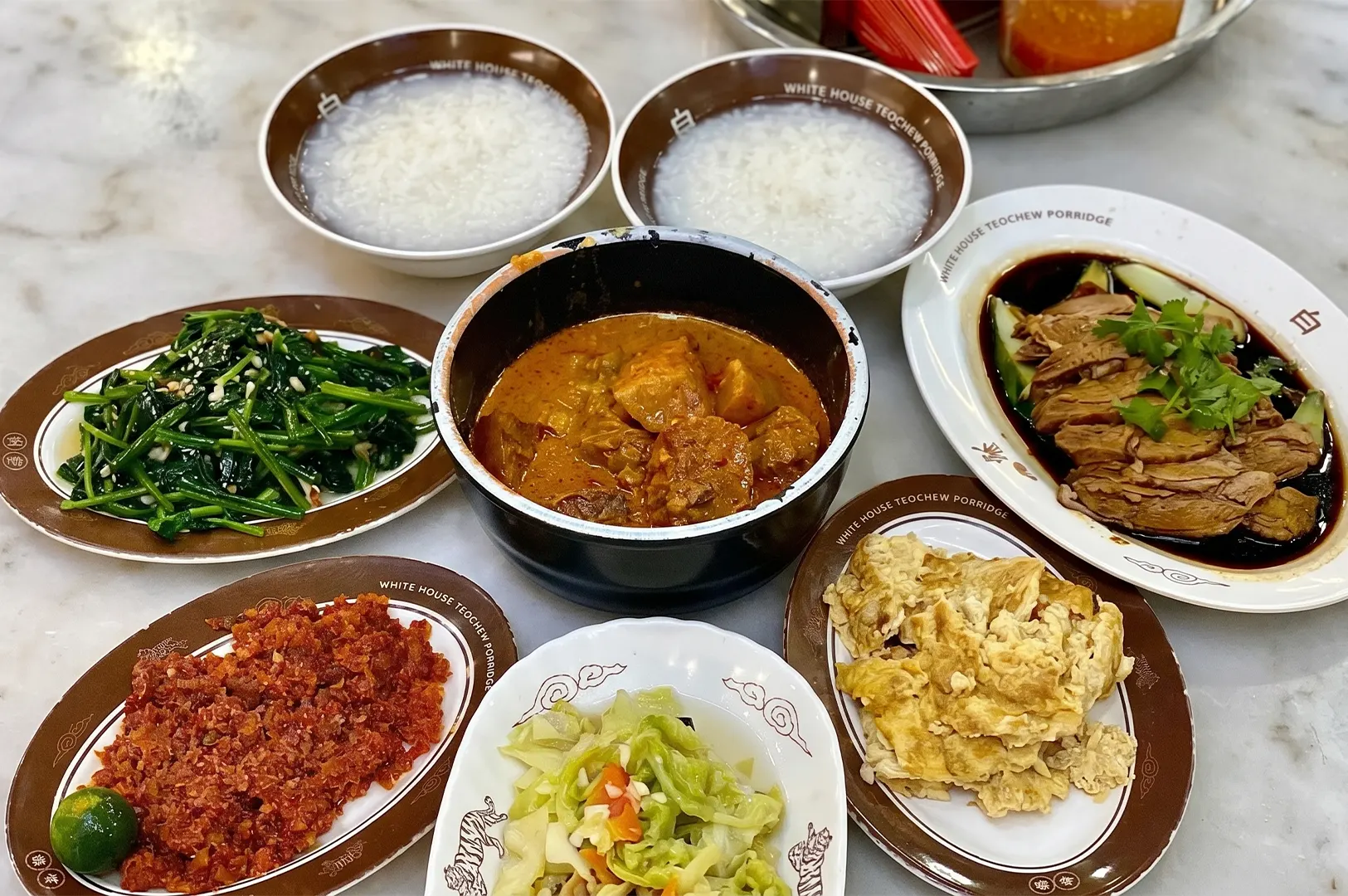
For a taste of Cantonese cuisine, Albert Food Centre and Maxwell Food Centre offer a treasure trove of Chinese dishes. Try the char siew, succulent slices of roasted pork belly glazed with a sweet, sticky sauce, or a steaming bowl of hor fun, silky rice noodles bathed in a rich, savory broth. Don’t miss the yam rice at Maxwell Food Centre, a comforting bowl filled with chunks of yam, pork, and chicken, often topped with crunchy peanuts, satay, or a ladle of spicy curry for extra depth.
Clearing the Smoke: Common Misconceptions About Wok Hei and Hawker Food
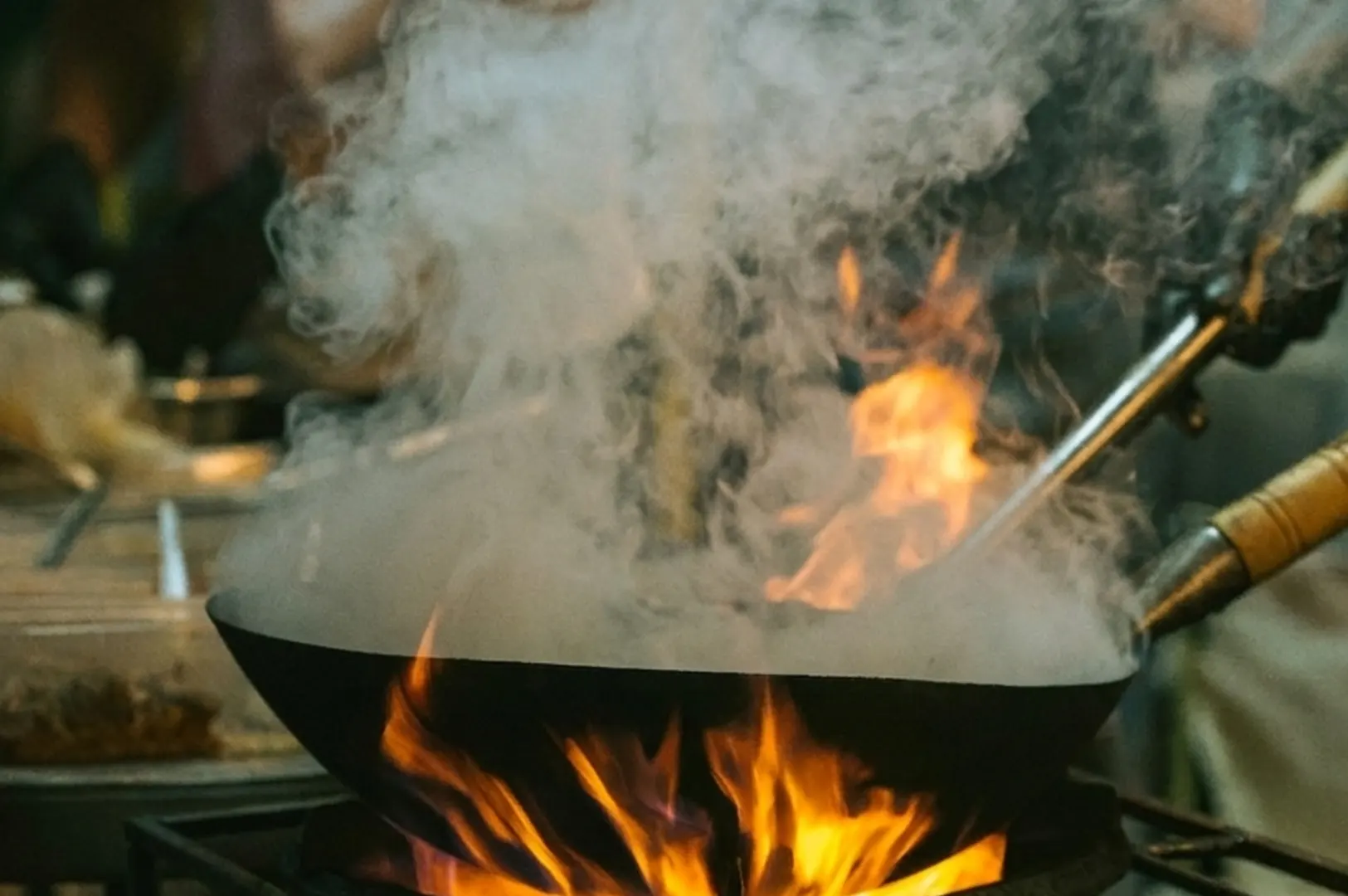
Despite its popularity, wok hei is widely misunderstood by casual diners and eager home cooks alike.
First, wok hei is never just burnt food. If a dish tastes overwhelmingly bitter or features large chunks of black carbon, the cook has failed. True wok hei is a delicate caramelization, offering a smoky whisper rather than a harsh campfire taste.
Second, many home cooks drive themselves crazy trying to replicate this flavor in a standard kitchen. The harsh reality is that a regular home stove simply cannot generate the necessary BTUs. Without that intense, roaring heat, the food will steam instead of sear.
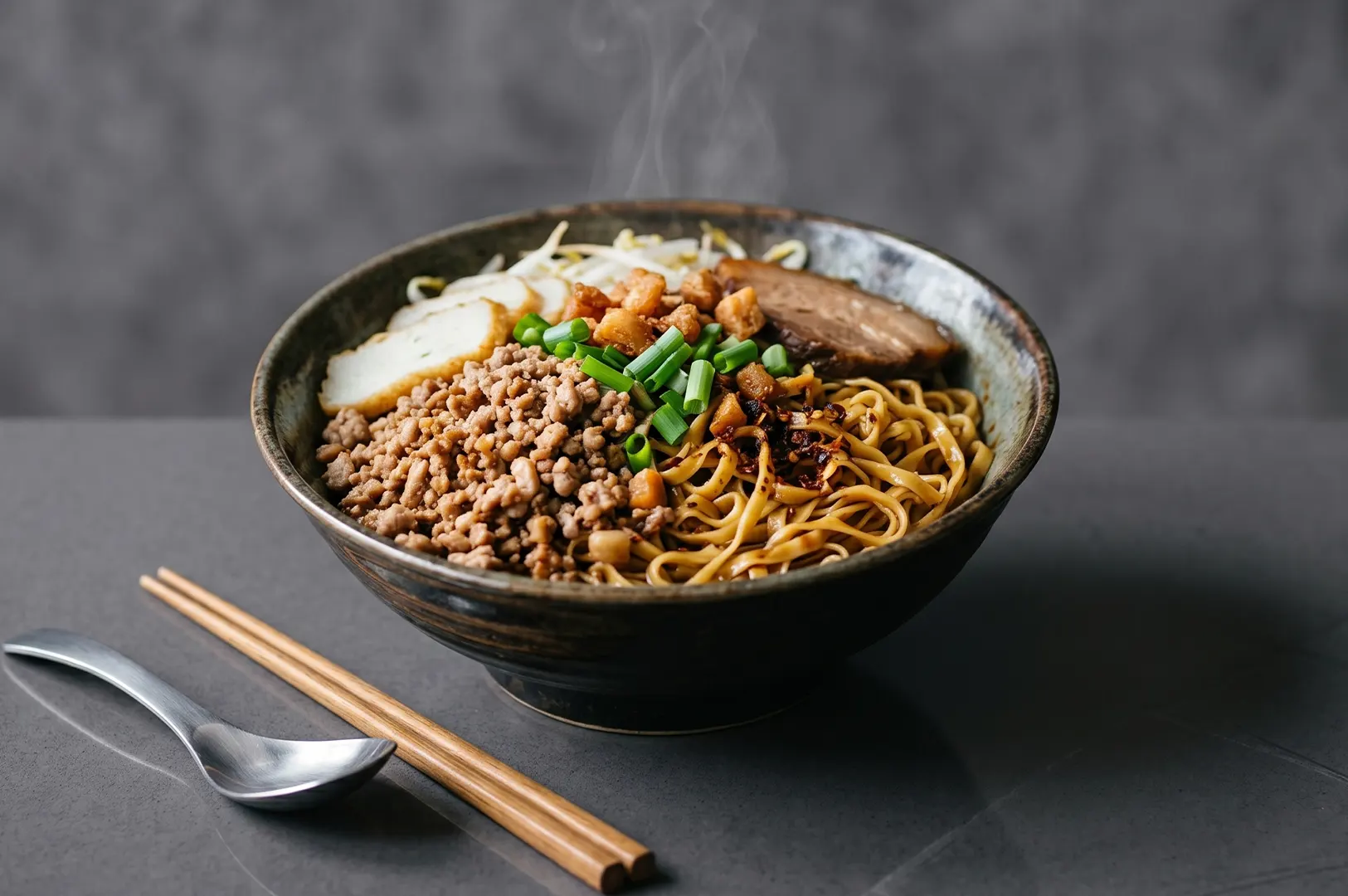
Finally, as a diner, recognizing genuine wok hei is easy once you know what to look for. The noodles should look dry but feel slick. The aroma should hit your nose before you even pick up your chopsticks. Every bite should deliver a savory, toasted depth that leaves you craving more.
Join the Food Adventures in Singapore’s Hawker Centers
The story of wok hei is a testament to human resilience, cultural pride, and the sheer joy of a perfectly cooked meal. It is a technique born in Guangdong, refined through decades of migration, and perfected under the neon lights of Singapore’s hawker centers.
Are you ready to discover more incredible stories hidden within our local foods scene? Visit a hawker center for lunch and try a variety of dishes, start your morning with kaya toast, enjoy a classic Indian dish from Little India or Tekka Center, and don’t miss out on sweet red bean desserts. Experience the vibrant lunch crowd and savor the first sip of a traditional beverage like kopi, a true local favorite.
We are constantly exploring the best hawker stalls, uncovering generational secrets, and sharing the vibrant flavors of this amazing city. Grab your chopsticks, embrace the heat, and join our community of passionate food lovers today.
For more local information on Wok hei and any other hawker food, click and visit Wok Hei, Heritage, and the Soul of Chinese Cuisine Singapore