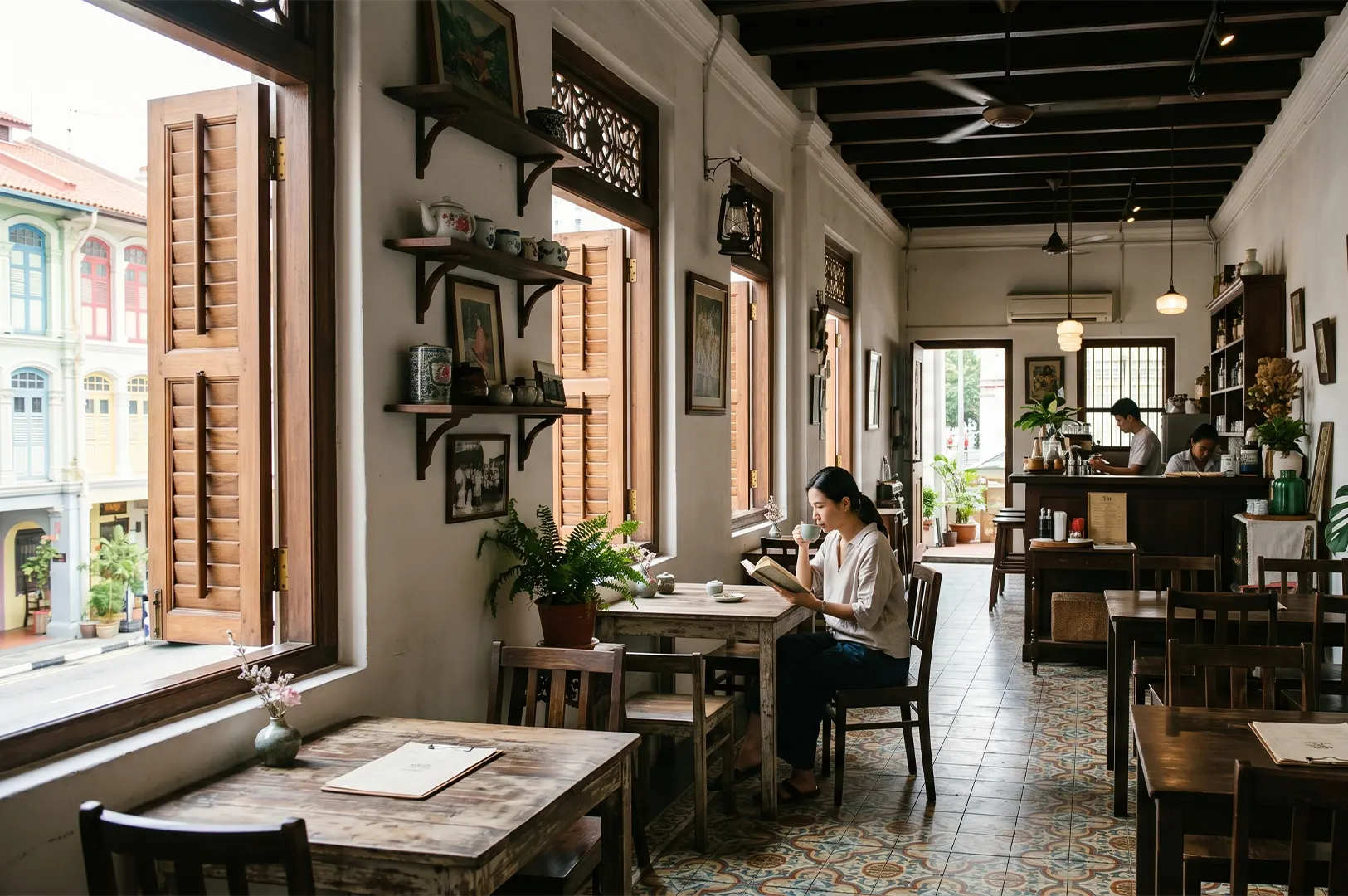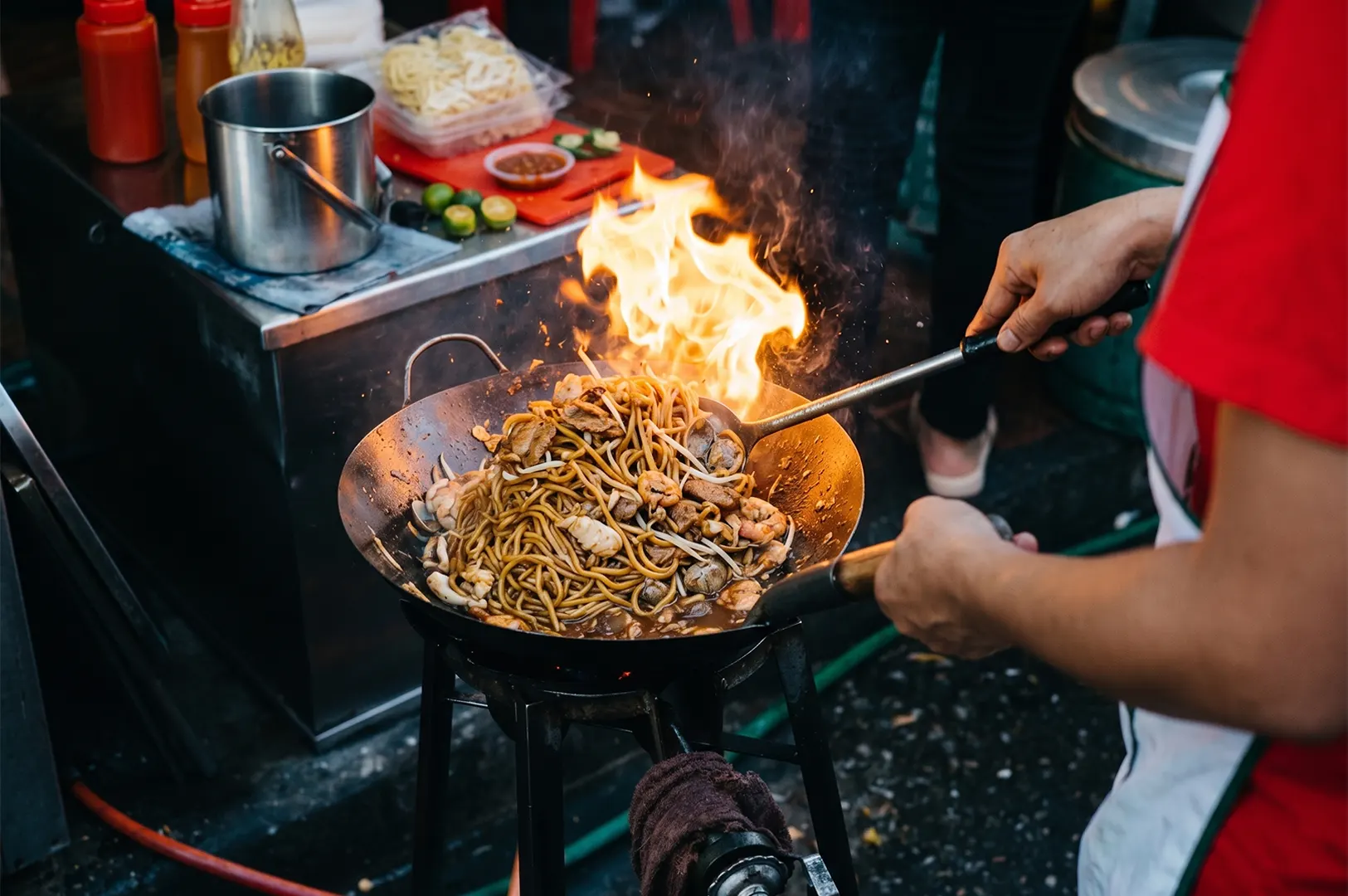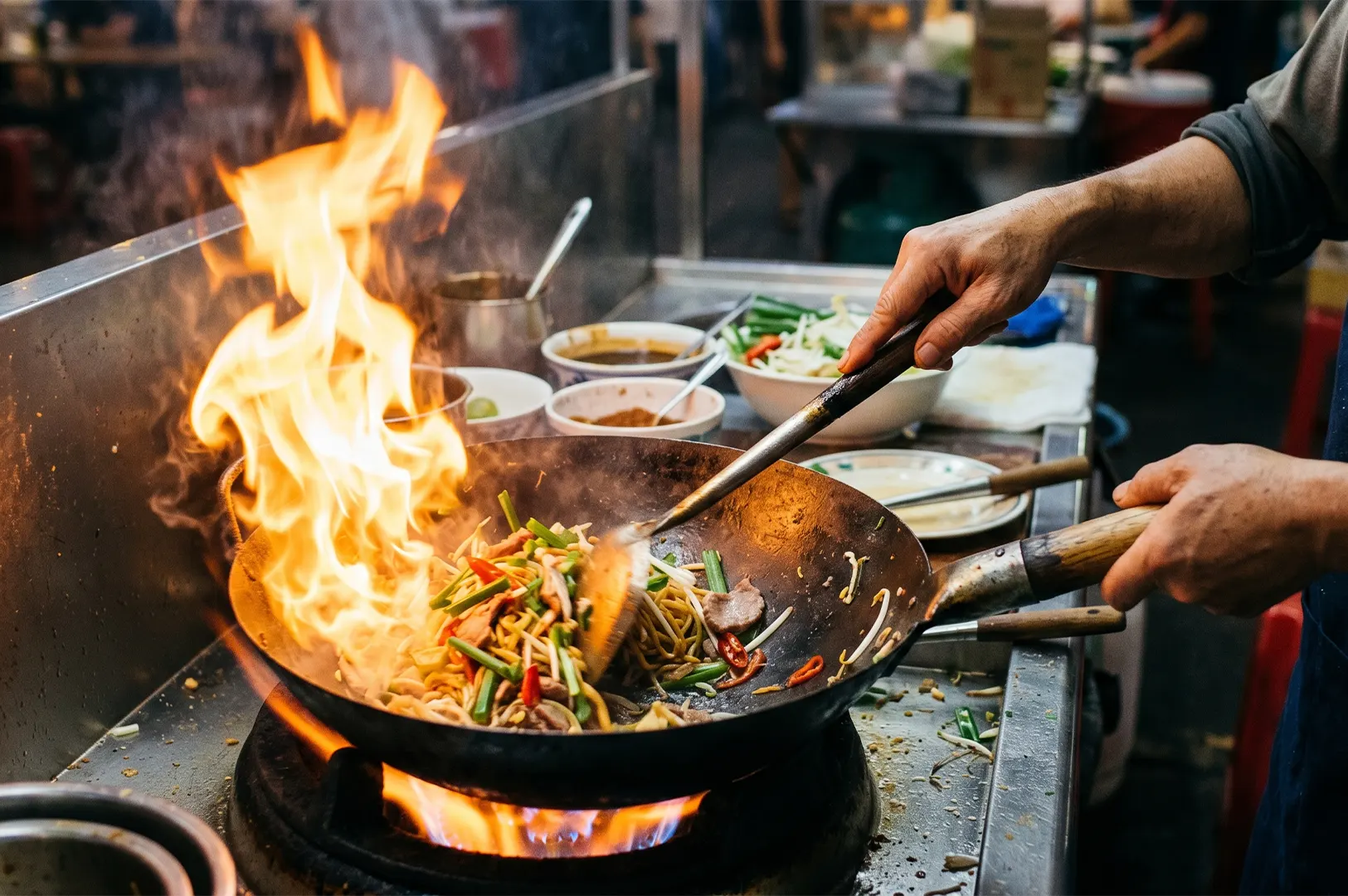
Step straight into the humid, chaotic, and utterly thrilling environment of a bustling local kopitiam. The rhythmic clanging of metal spatulas echoes against seasoned carbon steel. Roaring open flames cast a warm glow over the faces of intensely focused cooks. The unmistakable, smoky scent of wok hei fills the heavy tropical air, acting as a beacon for hungry locals. This is the fiery heart of a hawker center, and it is entirely captivating.
To understand chinese cuisine singapore, you must view it as much more than just a menu of comforting meals. It is a living diary of early migrants. Every bowl of rich broth and every plate of caramelized noodles carries the stories of people who traveled across oceans seeking a better life.
These comforting flavors have become the absolute backbone of the local food scene. You have to experience the generations of struggle and triumphant adaptation folded into Singapore’s beloved chinese dishes.
Introduction to Chinese Cuisine
Whether you’re wandering through a bustling hawker centre or stepping into one of the many acclaimed Chinese restaurants in Singapore, you’ll find an endless array of delicious Chinese food that’s sure to tempt your palate.
Each dish feels like a story unfolding, tales of migration, adaptation, and a deep love for authentic flavors. The city’s best Chinese restaurants wow with their signature dishes, from silky dim sum to perfectly roasted meats, all crafted with meticulous care and passion.
The Roots of Flavor: Migration and a Tropical Melting Pot in Chinese Cuisine
The story begins with the Nanyang journey. Decades ago, early Chinese immigrants arrived from the southern provinces of China. They stepped off boats onto a foreign tropical island, bringing little more than their most cherished family recipes. They sought to recreate the comforting tastes of their hometowns in a completely new, unfamiliar land.
However, these pioneer cooks had to adapt quickly. Many traditional ingredients from the cool mountains and valleys of China were simply unavailable in the humid tropics of southeast asia. This sparked a brilliant wave of culinary innovation.
I’ve always been fascinated by how cooks began swapping unavailable items for local tropical spices and ingredients. They incorporated fiery local chilies, pungent shrimp paste, and rich coconut milk into traditional southern Chinese cooking methods. This beautiful collision of cultures ultimately created a uniquely Singaporean variation of traditional chinese cuisine that remains beloved today.
Dialect Group Dishes That Built a Nation: Teochew Cuisine, Cantonese Cuisine, and More
As the early migrants settled, we naturally grouped together with others who spoke the same regional languages. These different dialect groups formed tight-knit enclaves and clan associations. Within our communities, the clan kitchens became the ultimate guardians of culture. We fiercely protected and perfected our distinct regional flavors, giving birth to the dialect group dishes we celebrate today.
Each community brought a completely different culinary philosophy to the island. I can taste this incredible diversity across every corner of the city. Here are the signature flavor pillars that define these distinct dialect groups:
Traditional Hokkien Cuisine: This style relies heavily on rich, dark, and savory flavor profiles. We master the art of caramelized soy sauces and hearty, slow-cooked braises, beautifully showcased in the deeply flavorful and iconic Hokkien Mee.
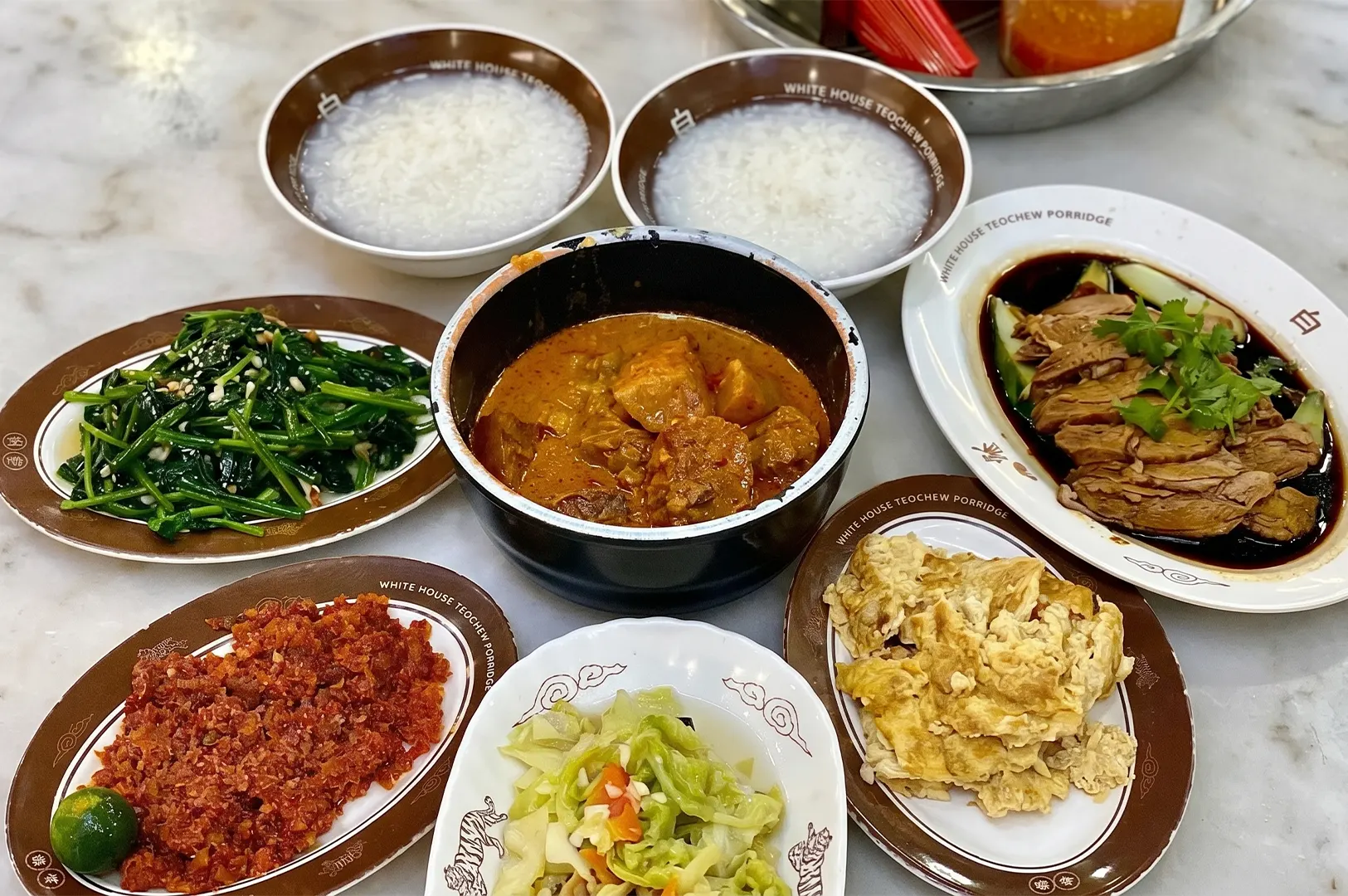
Teochew Cuisine: Teochew cooking focuses heavily on elegance and subtlety. The cuisine highlights light, clear broths, impeccably fresh steamed seafood such as steamed pomfret, and delicate braised meats that let the natural ingredients shine.
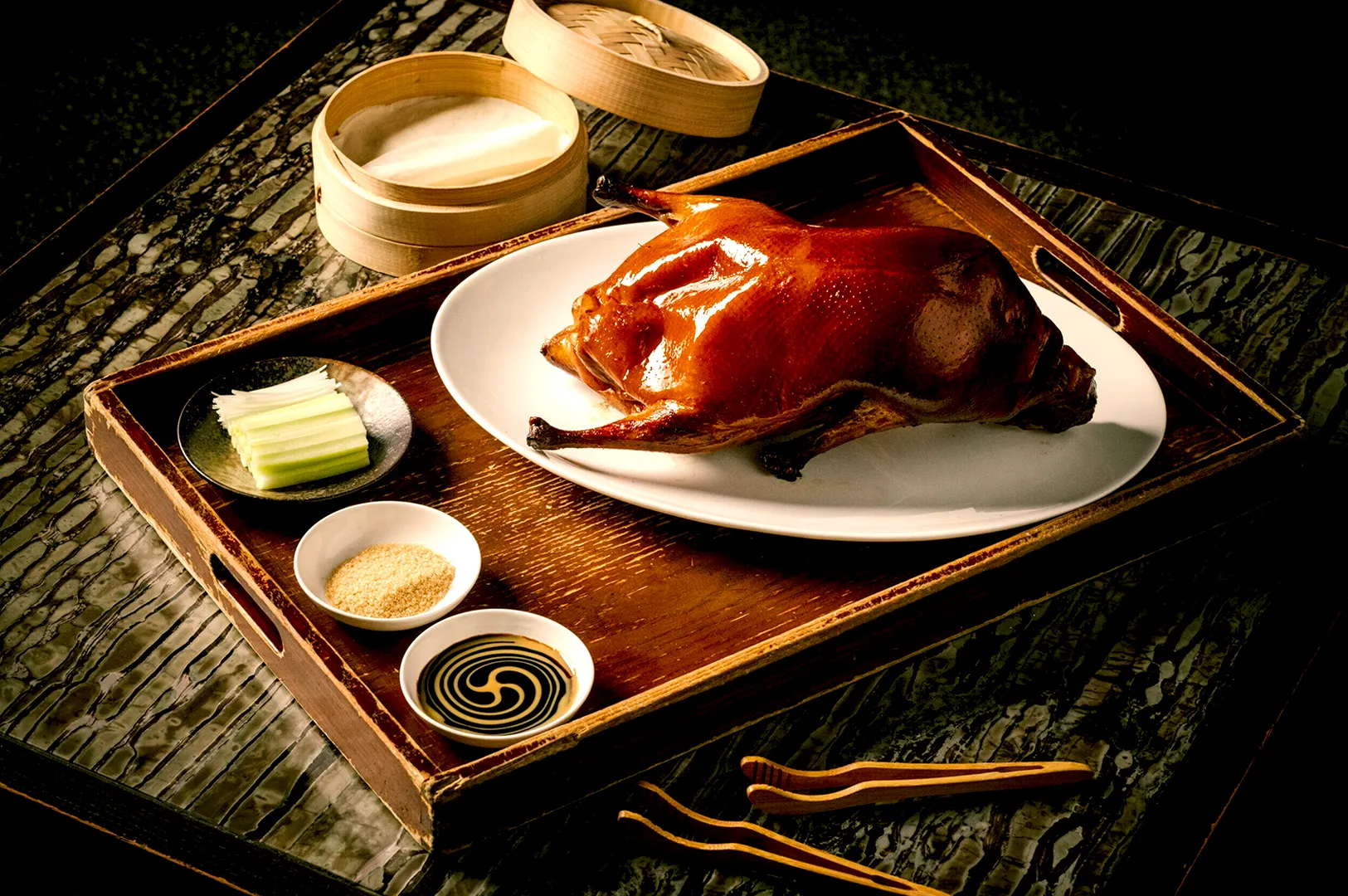
Cantonese Cuisine: This group brings an absolute mastery of roasting techniques and cooking techniques. They are famous for their relentless pursuit of supreme, slow-boiled soups and cantonese delicacies that take hours to perfect. Classic dishes include roast duck, peking duck, and dim sum. The mastery of traditional cantonese cuisine is evident in the delicate balance of flavors and textures.
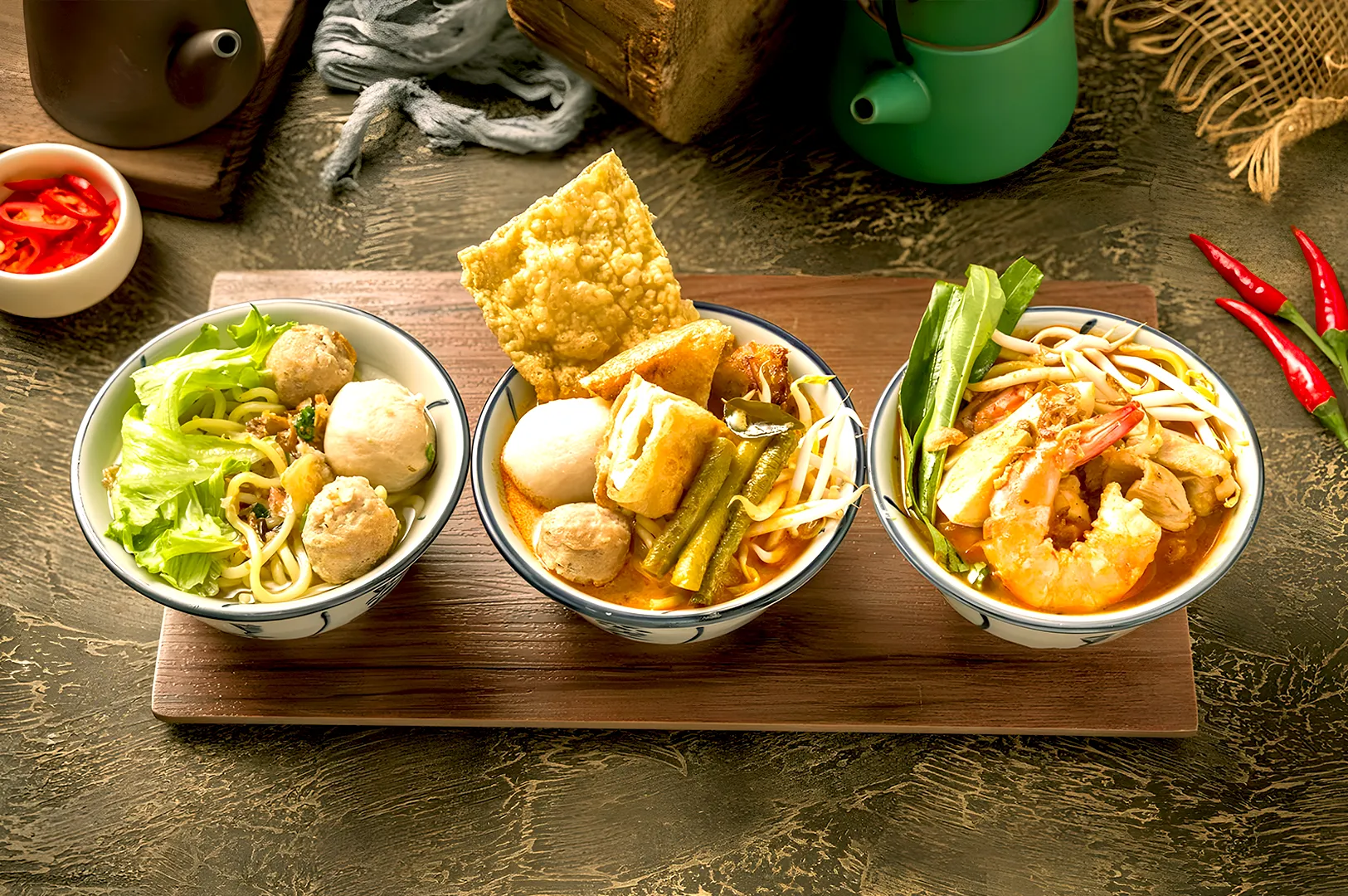
Hakka Heartiness: Hakka food explores earthy, robust, and comforting flavors. The cuisine features brilliant uses of preserved vegetables and creative stuffed tofu dishes like the universally loved Yong Tau Foo. Hakka cuisine also uses dried and fermented ingredients, reflecting the culinary traditions of the Hakka people.
Hainanese Cuisine: Hainanese cuisine is celebrated for its traditional and authentic flavors, representing the culinary heritage of the Hainanese community. Signature dishes include the iconic Hainanese chicken rice and Hainanese curry rice, both of which have become beloved staples in Singapore’s food scene.
Hawker Centre Chinese Food: Wok Hei, Sweat, and the Dining Experience
The evolution of hawker centre chinese food is a fantastic story of community and resilience. Originally, hungry laborers bought their meals from mobile street carts pushed along dusty roads. Eventually, the government moved these independent vendors into organized, buzzing hawker centres. These vibrant complexes transformed the way the entire nation eats, turning street food into a highly celebrated cultural institution.
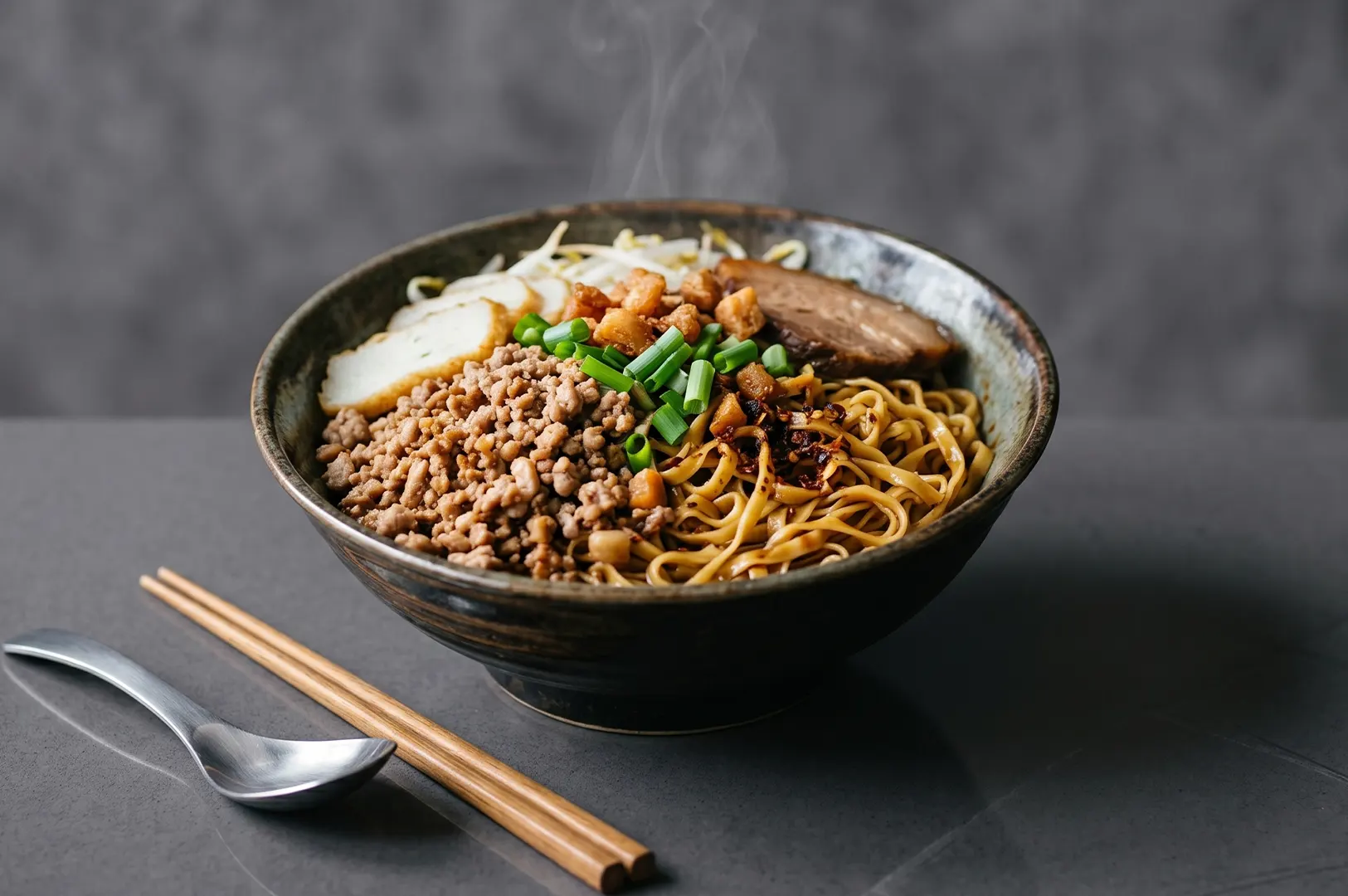
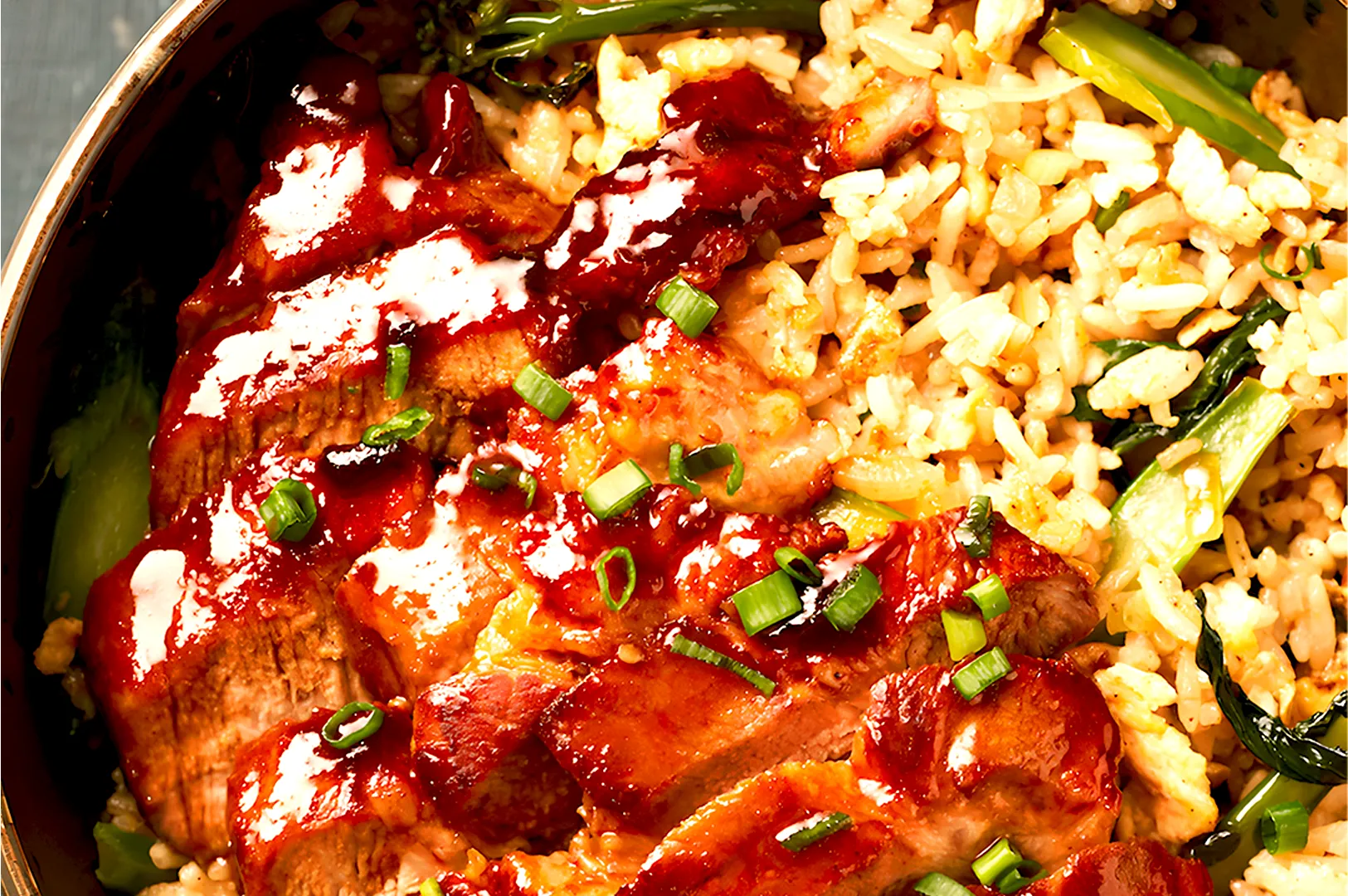
The most magical part of these centers is the intense dedication found in family-run kitchens. Unlike modern chefs who manage massive menus, a traditional hawker spends forty years perfecting a single plate. They might dedicate their entire life to mastering Char Siew Rice or achieving the perfect vinegar balance in a bowl of Bak Chor Mee. Diners come together to savour dishes such as signature fried rice, crab meat specialties, and other beloved offerings, highlighting the communal spirit of hawker centre dining. This hyper-focus creates a level of quality you simply cannot find anywhere else.
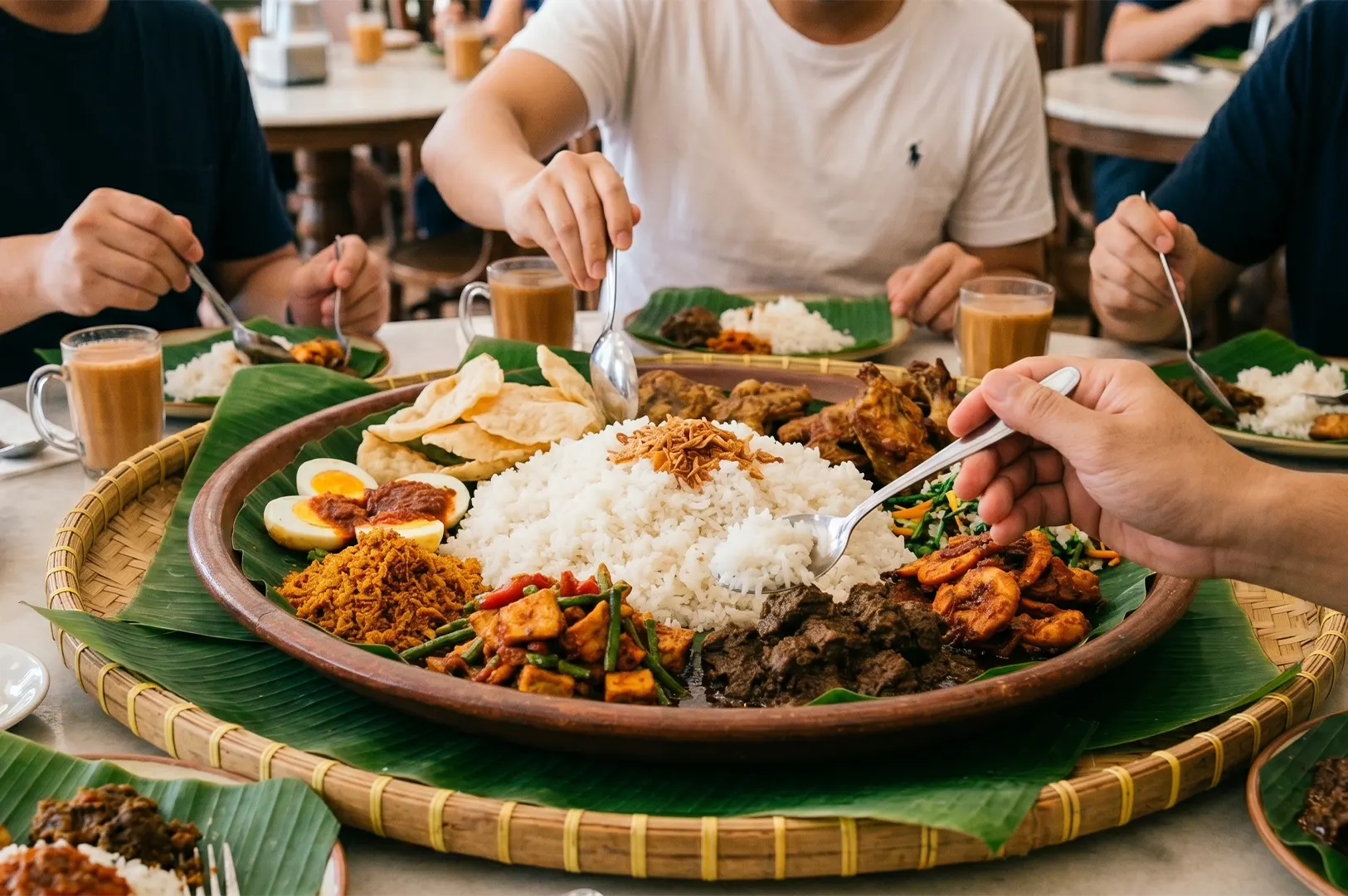
Chinese food is often associated with communal dining, where families and friends gather to share dishes, reflecting the importance of togetherness in Chinese culture.
Evolving Traditions: Modern Chinese Restaurant Trends and New-Generation Hawkers
The reality of hawker life is undeniably grueling. The hours are incredibly long, the kitchens are scorching hot, and the profit margins are often razor-thin. For a time, I worried that these ancestral flavors might disappear as older hawkers retired.
Fortunately, an inspiring wave of young “hawkerpreneurs” is stepping up to the plate. These passionate young chefs are leaving behind comfortable office jobs to save their family legacies. They tie on their aprons, grab the heavy metal spatulas, and embrace the searing heat of the kitchen.
This new generation beautifully balances innovation with tradition. New-generation hawkers are creating unique dishes that blend time-honored recipes with modern twists, offering diners memorable culinary experiences.
Best Chinese Restaurants in Singapore
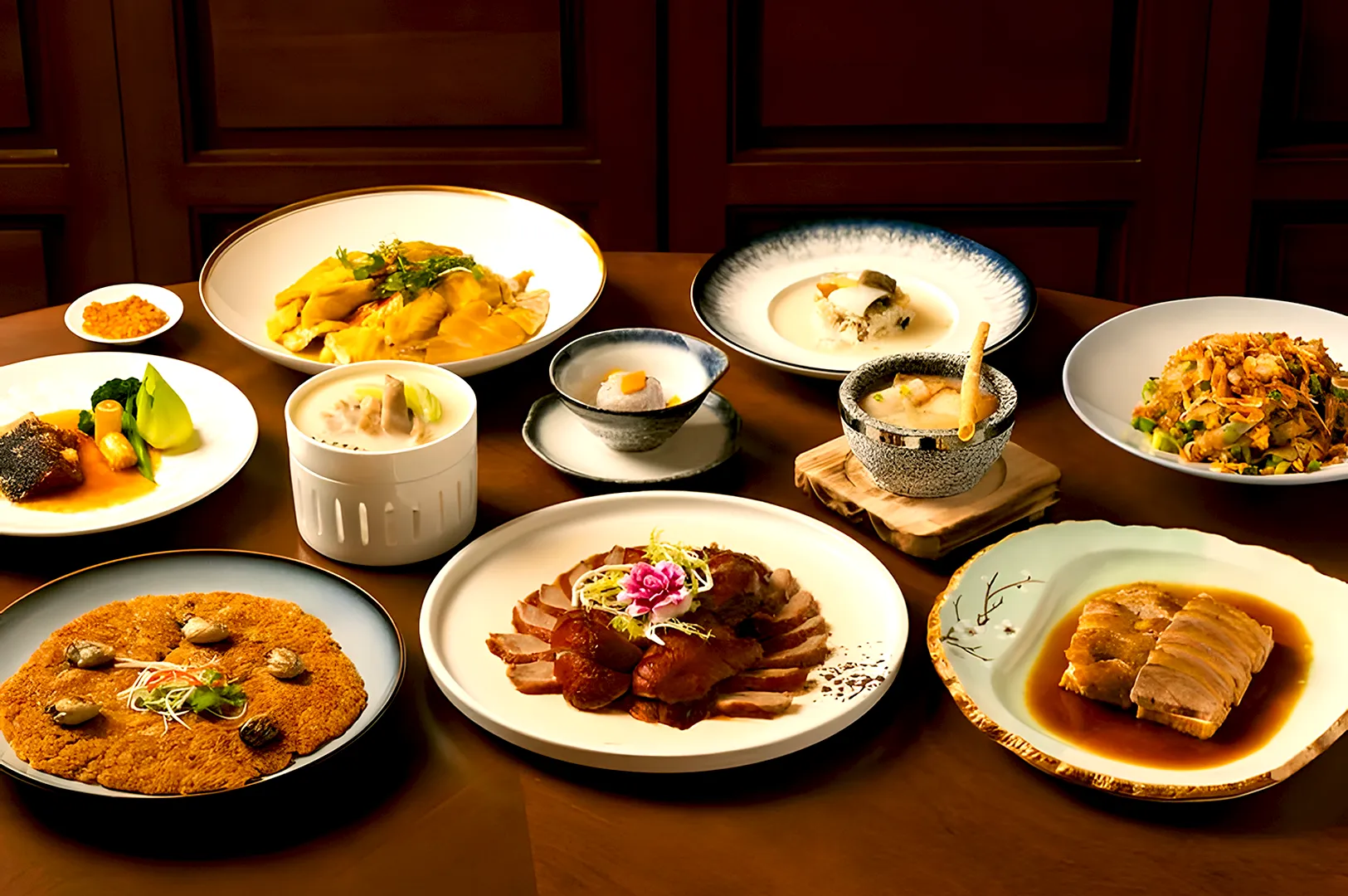
Singapore’s reputation as a food paradise is well-earned, thanks in no small part to its impressive lineup of Chinese restaurants. Whether I’m seeking a refined dining experience or a cozy family meal, the city offers a dazzling variety of options that celebrate the full spectrum of Chinese cuisine.
Among the best Chinese restaurants in Singapore, Cherry Garden by Chef Fei stands out for its elegant setting and exquisite Cantonese dishes, where every plate is a testament to masterful cooking techniques and premium ingredients. Tong Le Private Dining offers an exclusive experience with panoramic city views and a menu that artfully blends tradition with innovation. Shang Palace, a stalwart of classic Cantonese cuisine, delights diners with its sophisticated dim sum and signature seafood dishes, while Wan Hao is beloved for its luxurious take on traditional favorites.
Other must-visit restaurants in Singapore include Min Jiang at Goodwood Park Hotel, known for its refined Teochew and Sichuan specialties, and Jiang-Nan Chun, where the wood-fired super peking duck is a perennial favorite. At Hai Tien Lo located in Pan Pacific Singapore, guests are treated to a contemporary interpretation of Chinese cuisine, with a focus on fresh seafood and creative presentations such as crispy chicken smoked with tea leaves. Each of these establishments offers a unique dining experience, from opulent main dining halls to intimate private rooms, ensuring that every meal is memorable.
The crystal jade family boasts the Michelin-starred Crystal Jade Golden Palace, the only one in the group specializing in Teochew cuisine, located conveniently in Ngee Ann City. For those seeking vegetarian delights, the Lotus Vegetarian Restaurant near Holiday Inn Singapore Atrium offers innovative plant-based Chinese dishes that go beyond traditional mock meats.
Man Fu Yuan at InterContinental Singapore is renowned for its extensive menu featuring signature dishes like lobster mee sua and exquisite dim sum. Kai Garden at Marina Square is a popular choice for lovers of classic Cantonese cuisine and dim sum, led by master chefs crafting dishes that blend tradition with modern flair.
For a luxurious dining experience, Madame Fan located at the NCO Club combines modern Cantonese cuisine with an upscale setting, perfect for business meals or special occasions.
I always recommend making reservations at these popular Chinese restaurants in Singapore to ensure availability, especially during peak dining hours and festive seasons.
Whether I’m indulging in delicate dim sum, savoring wok-fried squid, or exploring the subtle flavors of steamed pomfret, these Chinese restaurants in Singapore are dedicated to delighting diners with their culinary artistry and impeccable service.
Grab a Plastic Stool: Celebrating Chinese Culture Through Food
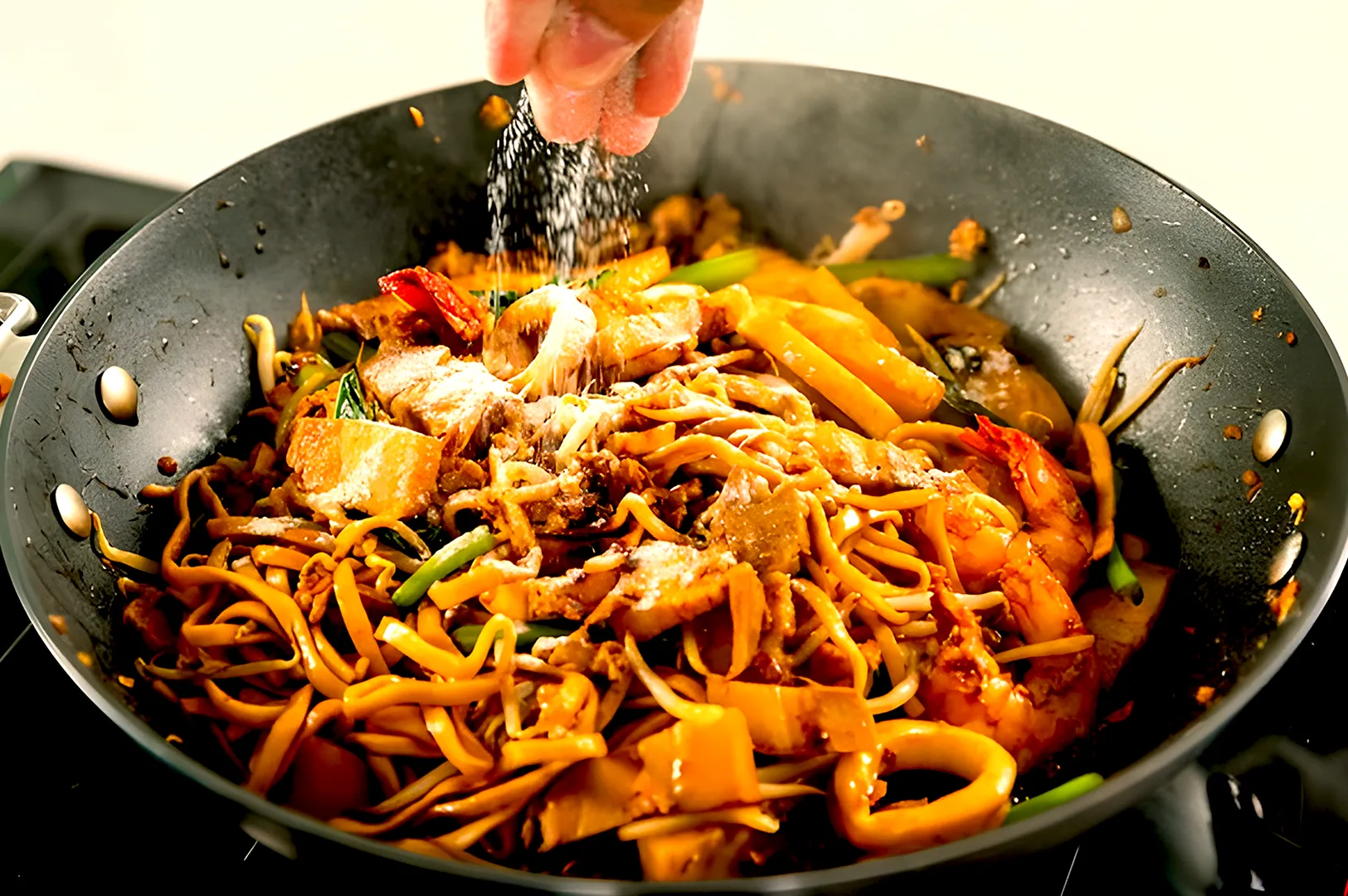
Chinese cuisine singapore is not just food on a plate. It is a spectacular, evolving tapestry of regional pride, intense labor, and unyielding passion. From the delicate Teochew steamed fish to the roaring flames of a Hokkien wok, every dish tells a story of survival and triumph.
Reading about the perfect balance of soy sauce and wok hei can only do so much. The true reward lies in experiencing the chaotic, beautiful reality of the kopitiam myself. I always make sure to try the best dishes and popular dishes that Singaporean Chinese cuisine has to offer, these are the highlights that showcase the culinary excellence found across the city. A typical Chinese restaurant serves a wide variety of signature dishes, often enjoyed in a communal dining setting that emphasizes shared experiences.
I skip the fancy chinese restaurant on my next evening out. Instead, I brave the humid hawker heat, grab a plastic stool, and order a plate of something I have never tried before. Tasting this incredible living history for myself, I let the vibrant flavors of Singapore absolutely blow me away.
Conclusion
In conclusion, Singapore’s Chinese cuisine scene is a vibrant celebration of heritage, innovation, and community. With an extraordinary range of delicious options, from the comforting classics of traditional Cantonese and Teochew cuisine to the inventive creations of modern Chinese restaurants, I find there is truly something for every palate and occasion. Whether I’m craving the crispy perfection of Peking duck, the rich flavors of braised pork belly, or the delicate artistry of dim sum, the best Chinese restaurants in Singapore promise me an unforgettable dining experience.
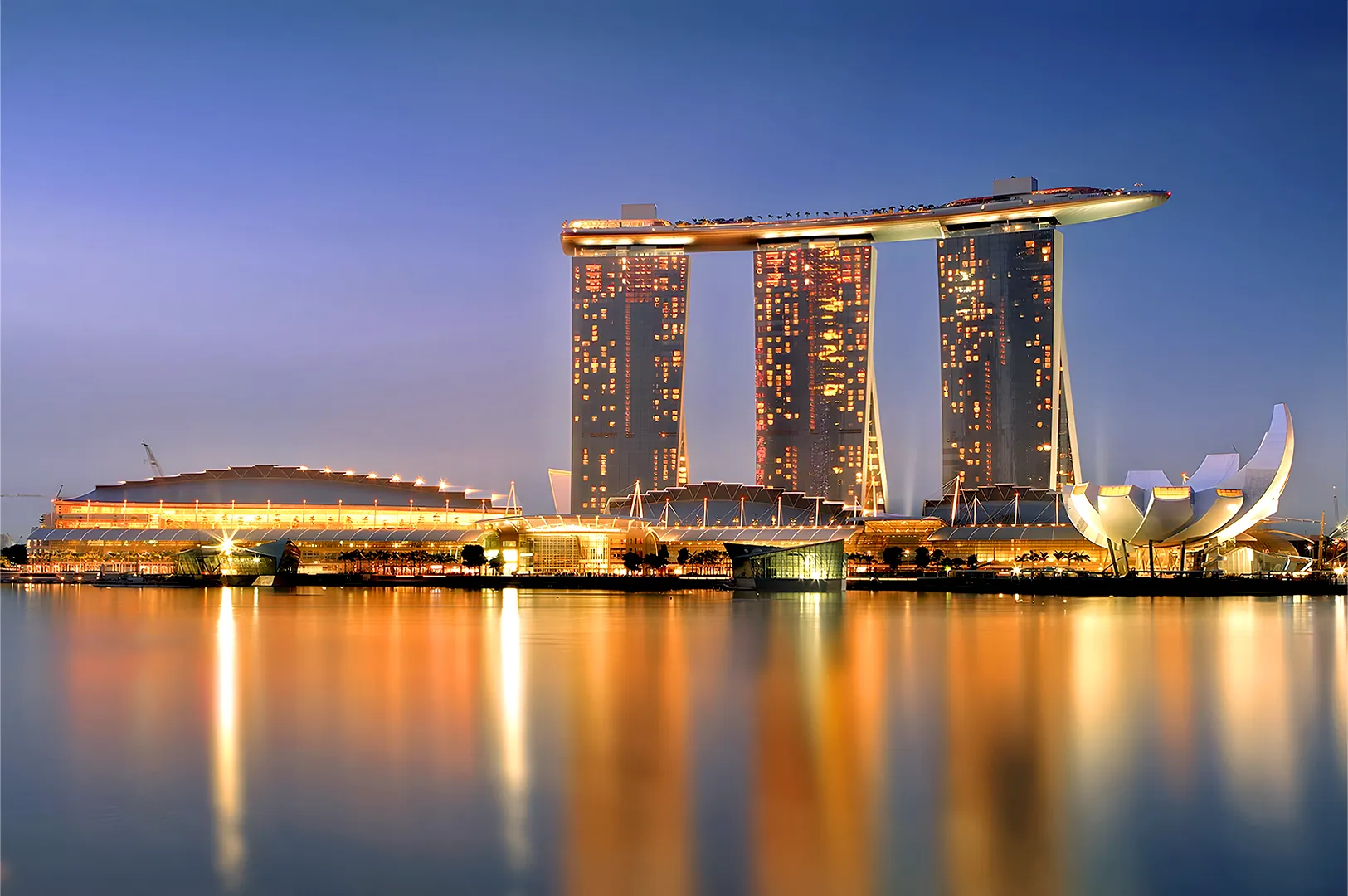
These establishments, whether located in the heart of Marina Bay Sands or tucked away in bustling neighborhoods, all share a commitment to quality, fresh ingredients, and authentic flavors. Signature dishes like sweet and sour pork, hainanese chicken rice, and wok-fried seafood showcase the depth and diversity of Chinese food in Singapore.
With private dining rooms perfect for family gatherings, innovative vegetarian versions, and a focus on both classic and contemporary culinary techniques, these restaurants continue to set the standard for excellence.
Ready for your next Hawker Street food? just grab a visit at sgstreeteatsblog.com for more recommendations and insights.