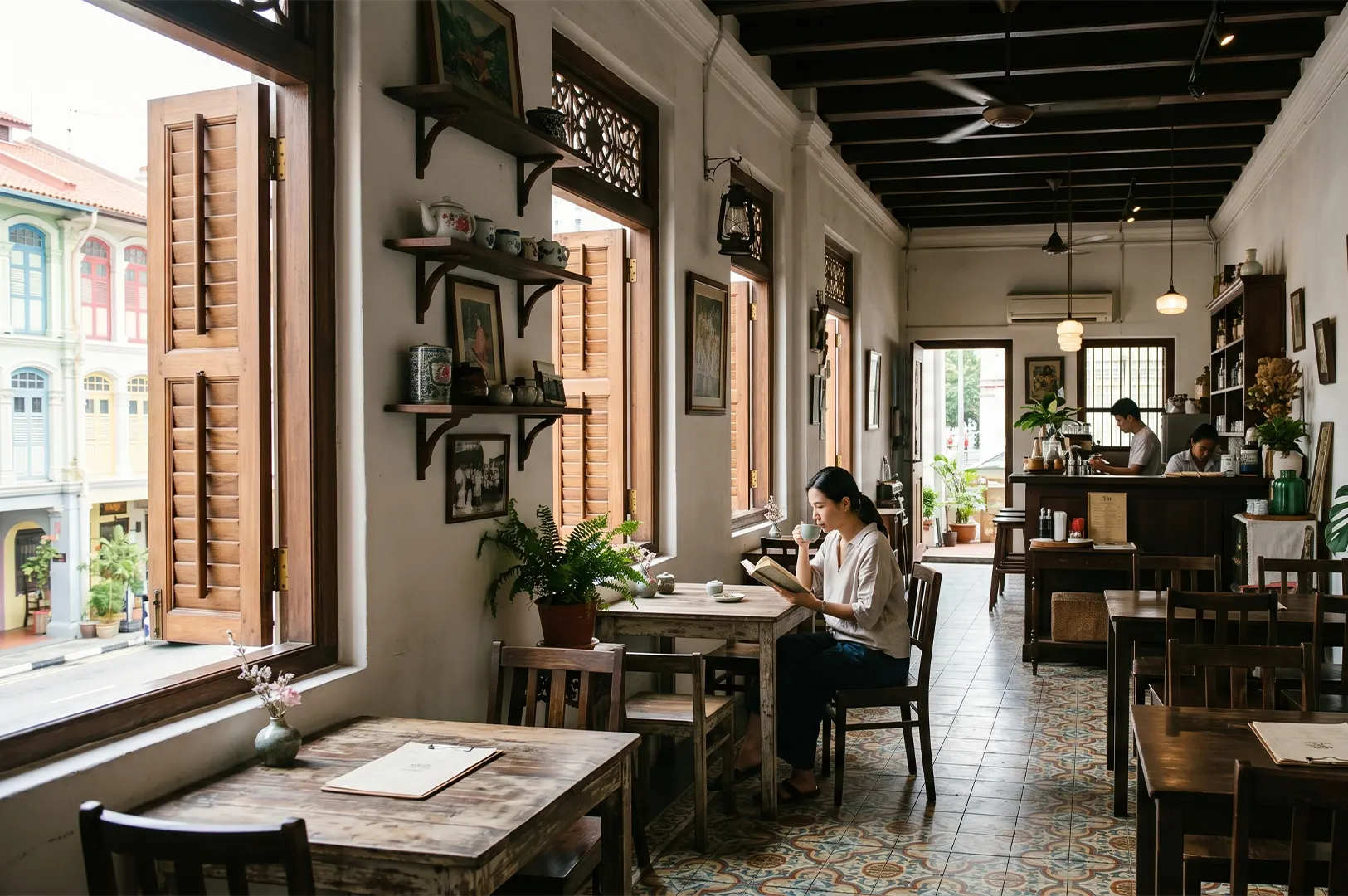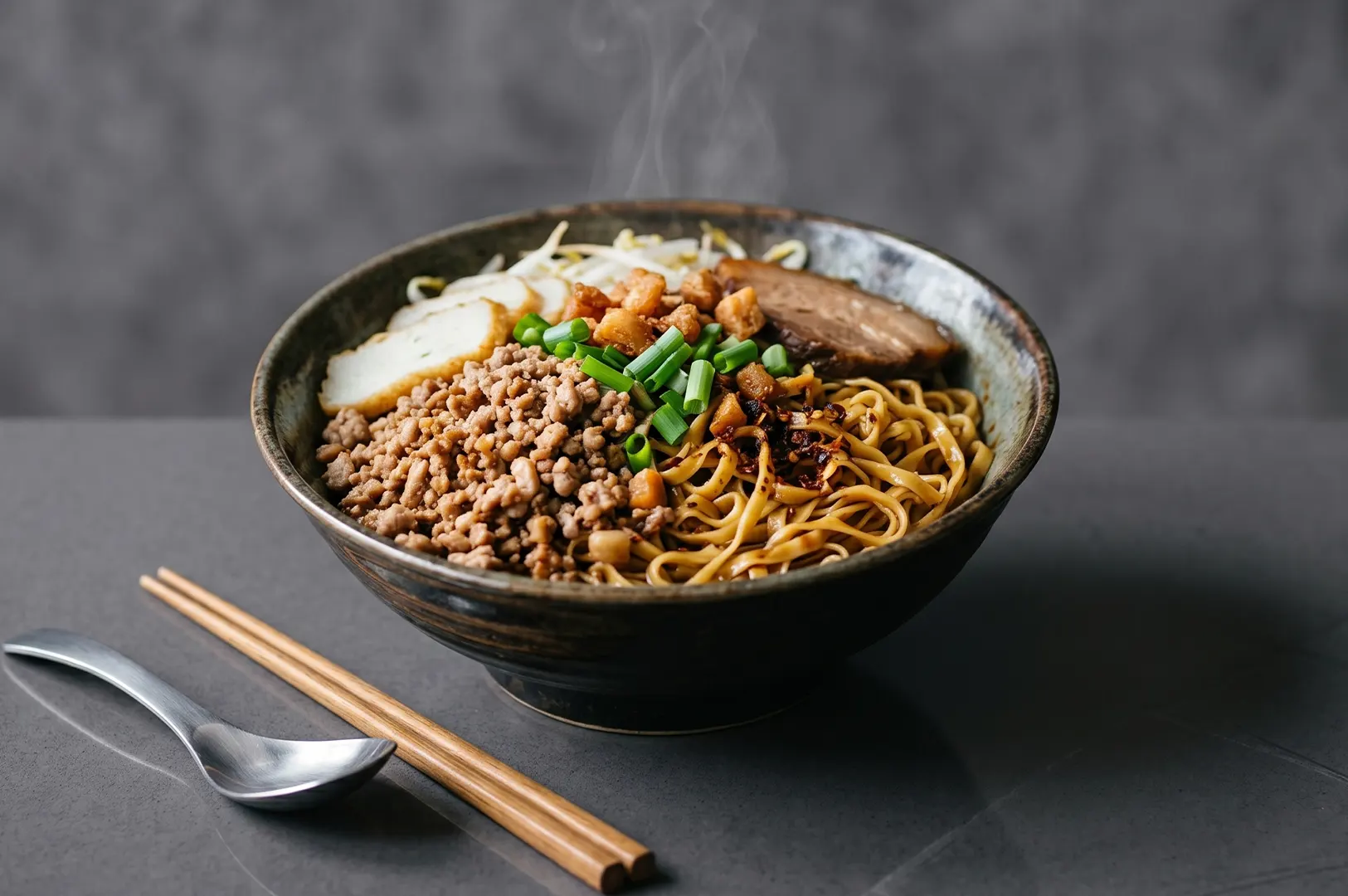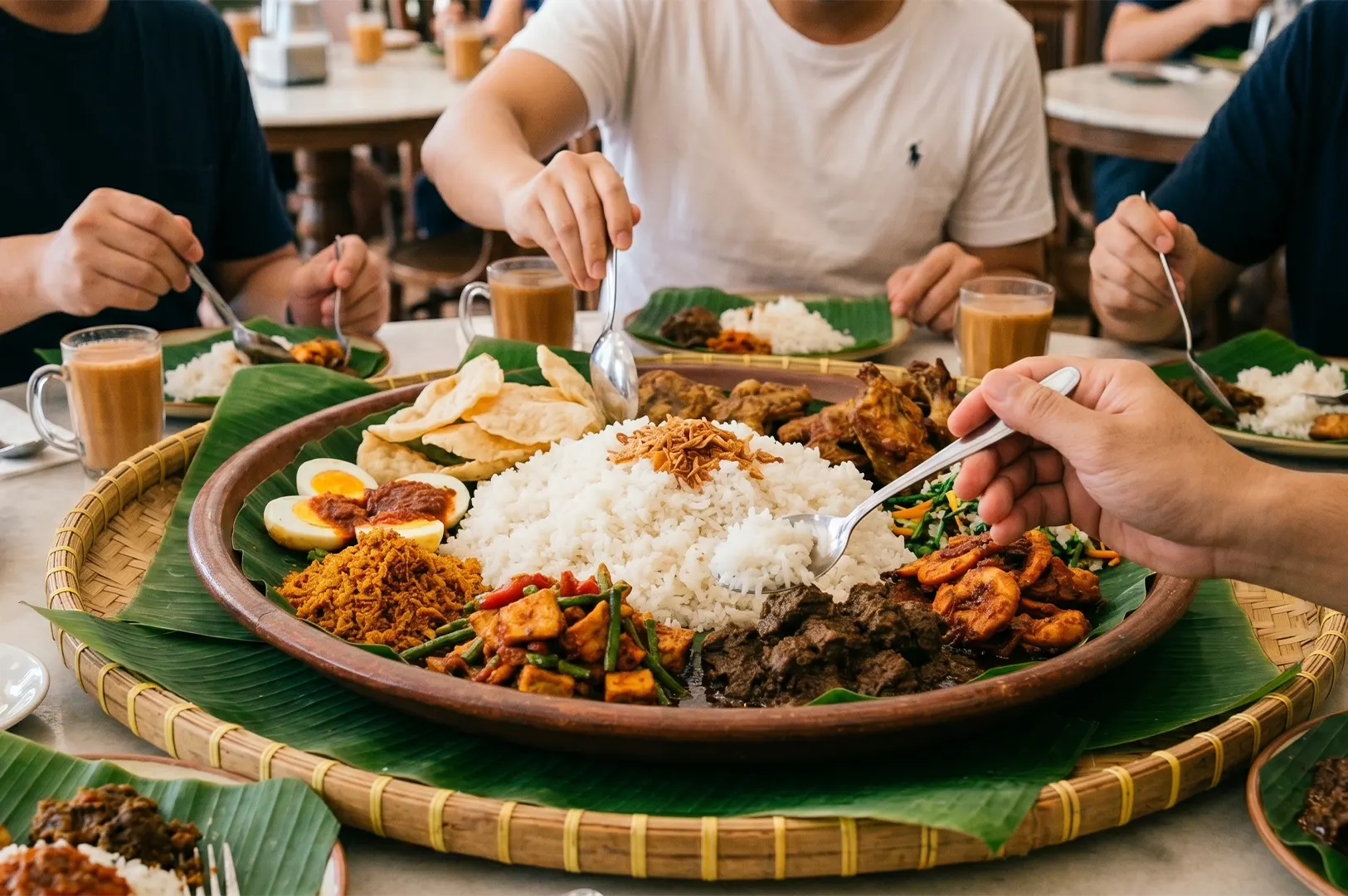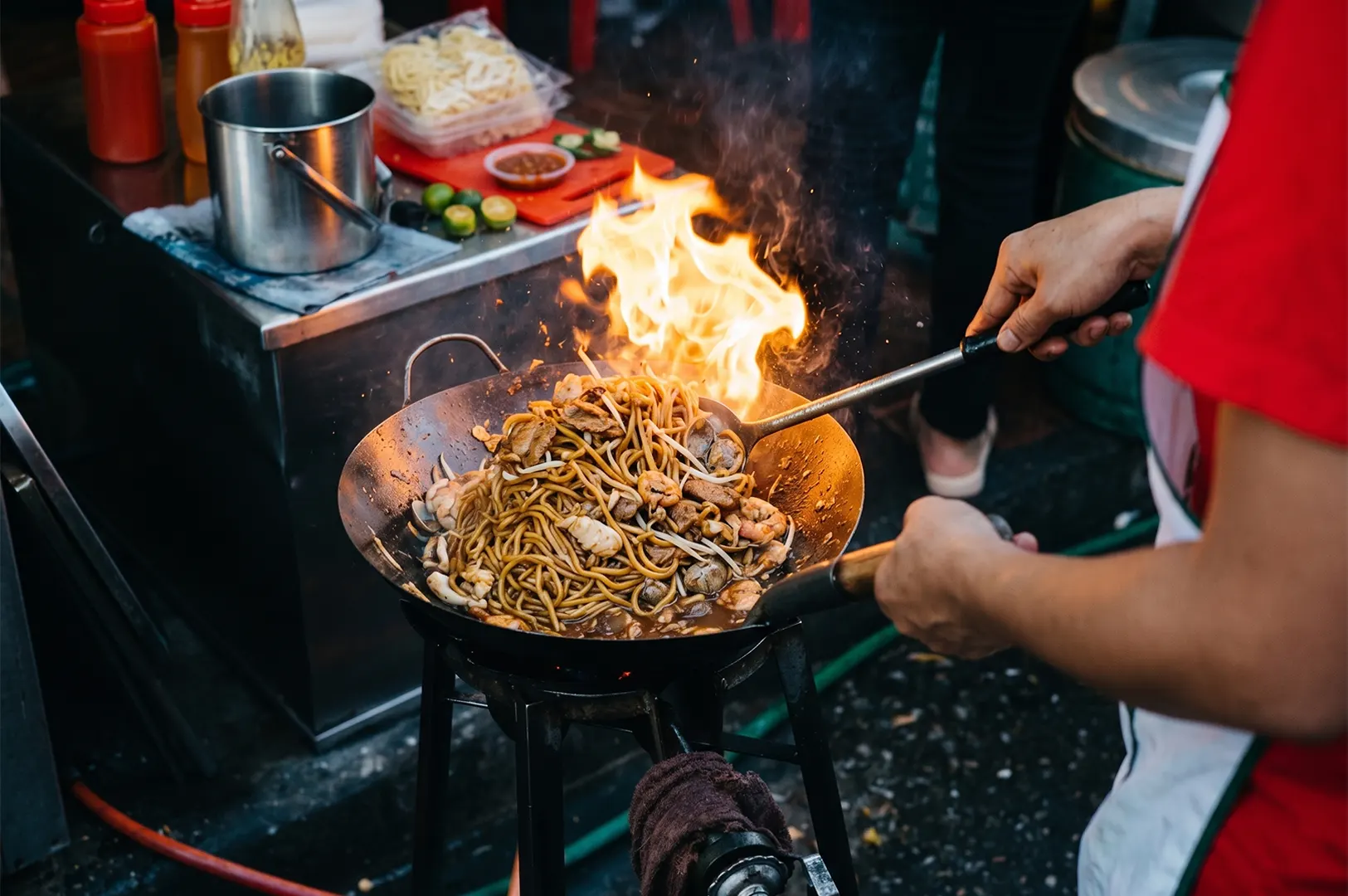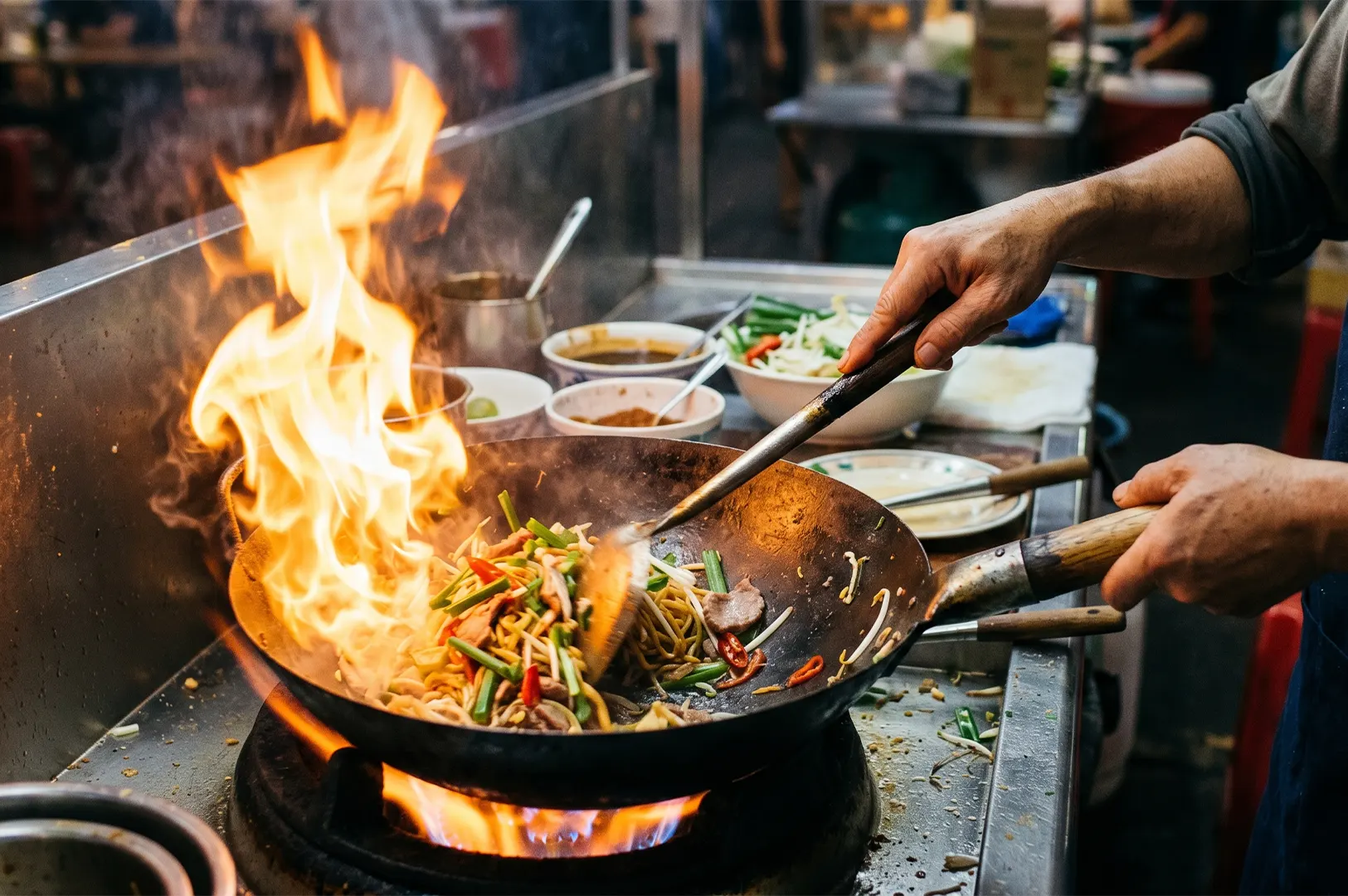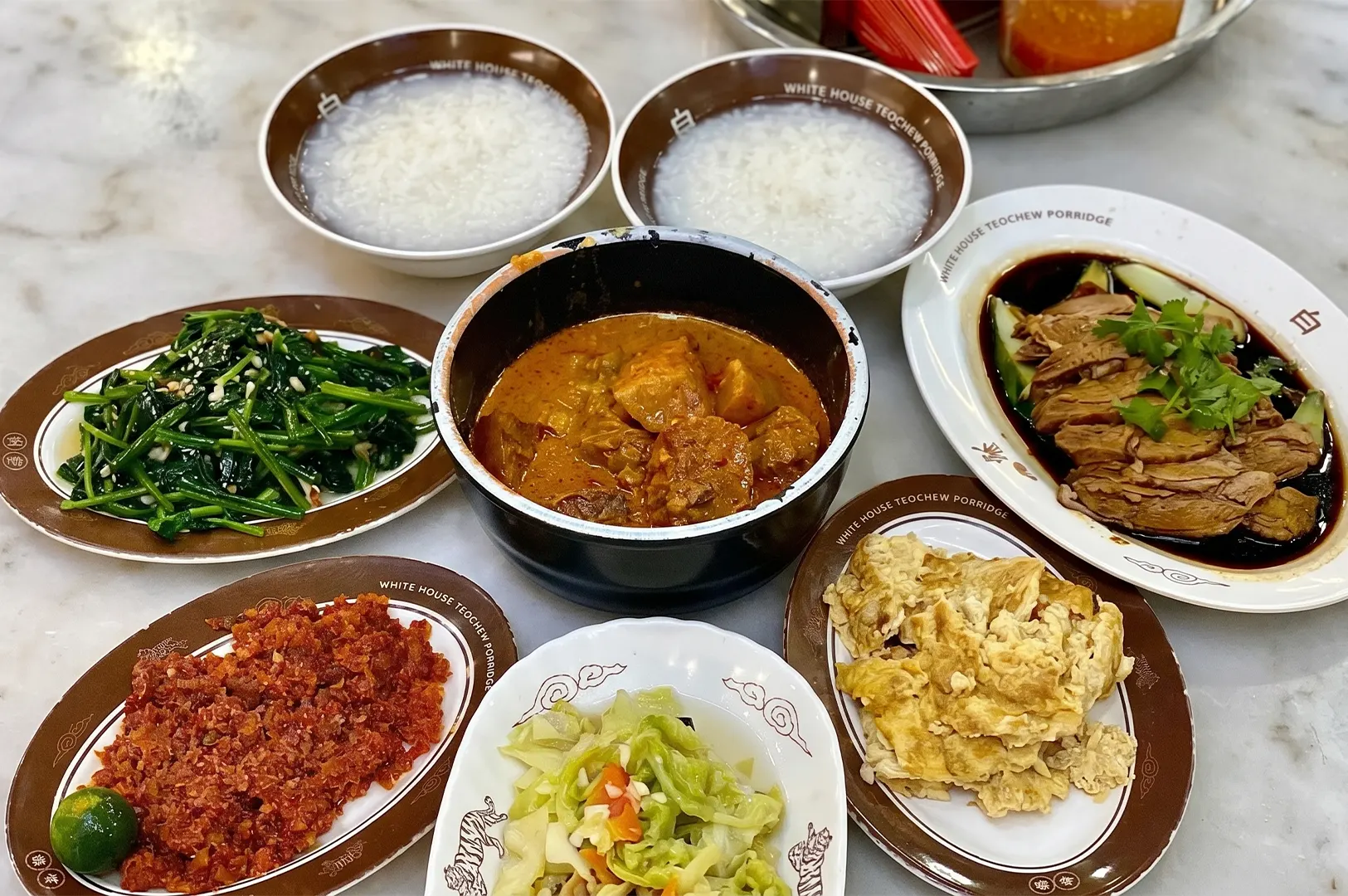
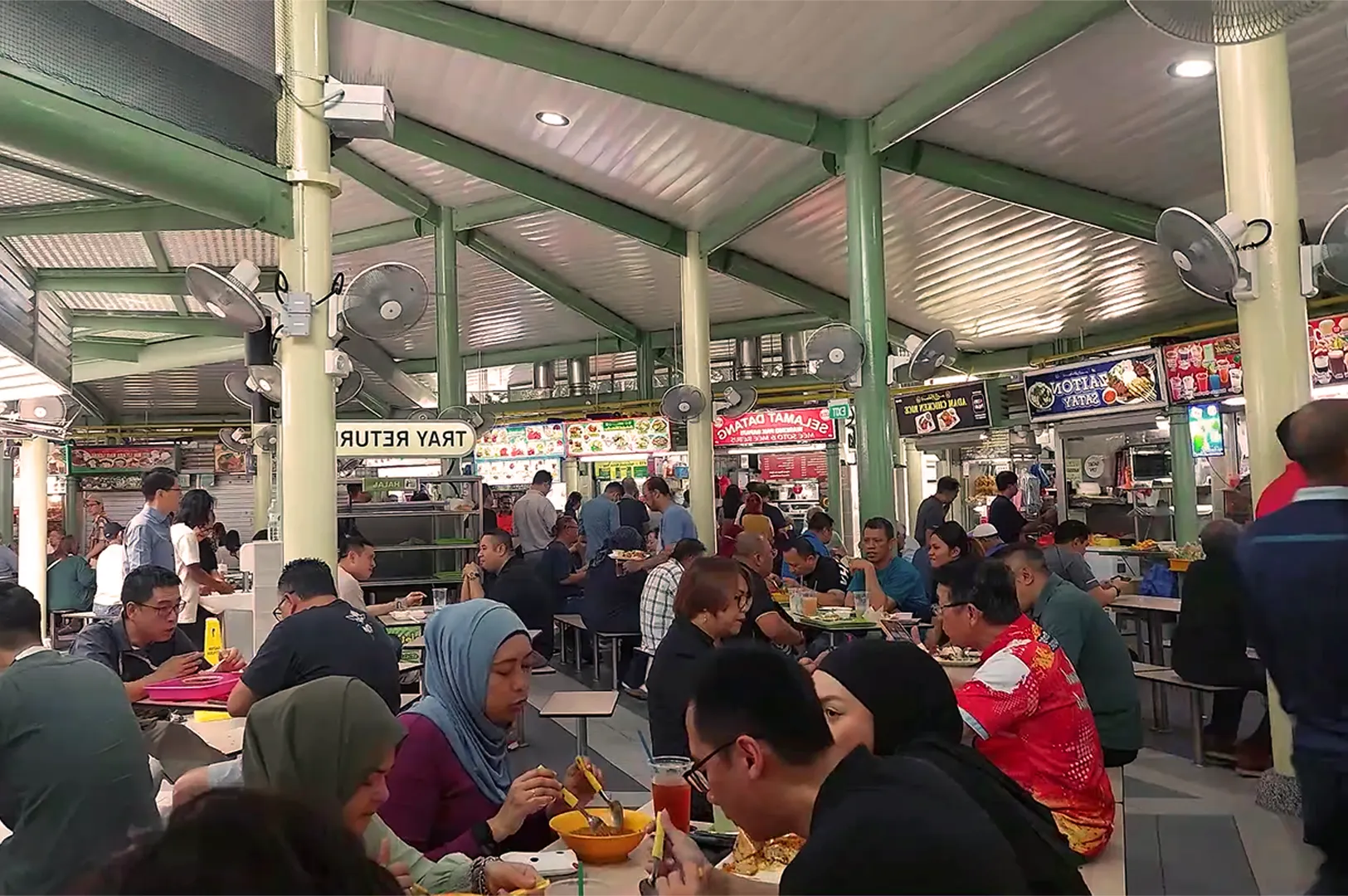
Have you ever wandered through a Singapore hawker centre in the early evening, just as the sky gives way to twilight and the neighborhood hums to life? Picture it: aromas rising in teasing little clouds, fermented shrimp paste, charred garlic, chicken broth simmering for hours, while the tap and scrape of wok against flame sets the night’s pulse.
Kerosene lamps may be long gone, but the hawker stalls glow like tiny culinary kingdoms under fluorescent crowns. Here’s the magic: each one isn’t just selling hawker food. They’re serving you a slice of Singapore’s living heritage, every spoonful and every sizzle brimming with memories, labor, and family pride.
See, Singapore’s street food culture is so much more than a hunger fix, it’s a time machine disguised as a steaming bowl of laksa or a brimming plate of fried noodles. When I eat at a hawker stall in Singapore hawker centres, I’m sinking into flavors shaped by decades, sometimes centuries, of recipes guarded like family jewels and handed down like cherished heirlooms. This hawker culture embraces people from diverse backgrounds, reflecting the multicultural urban context of this vibrant city-state.
Intangible Cultural Heritage and the Multicultural Urban Context
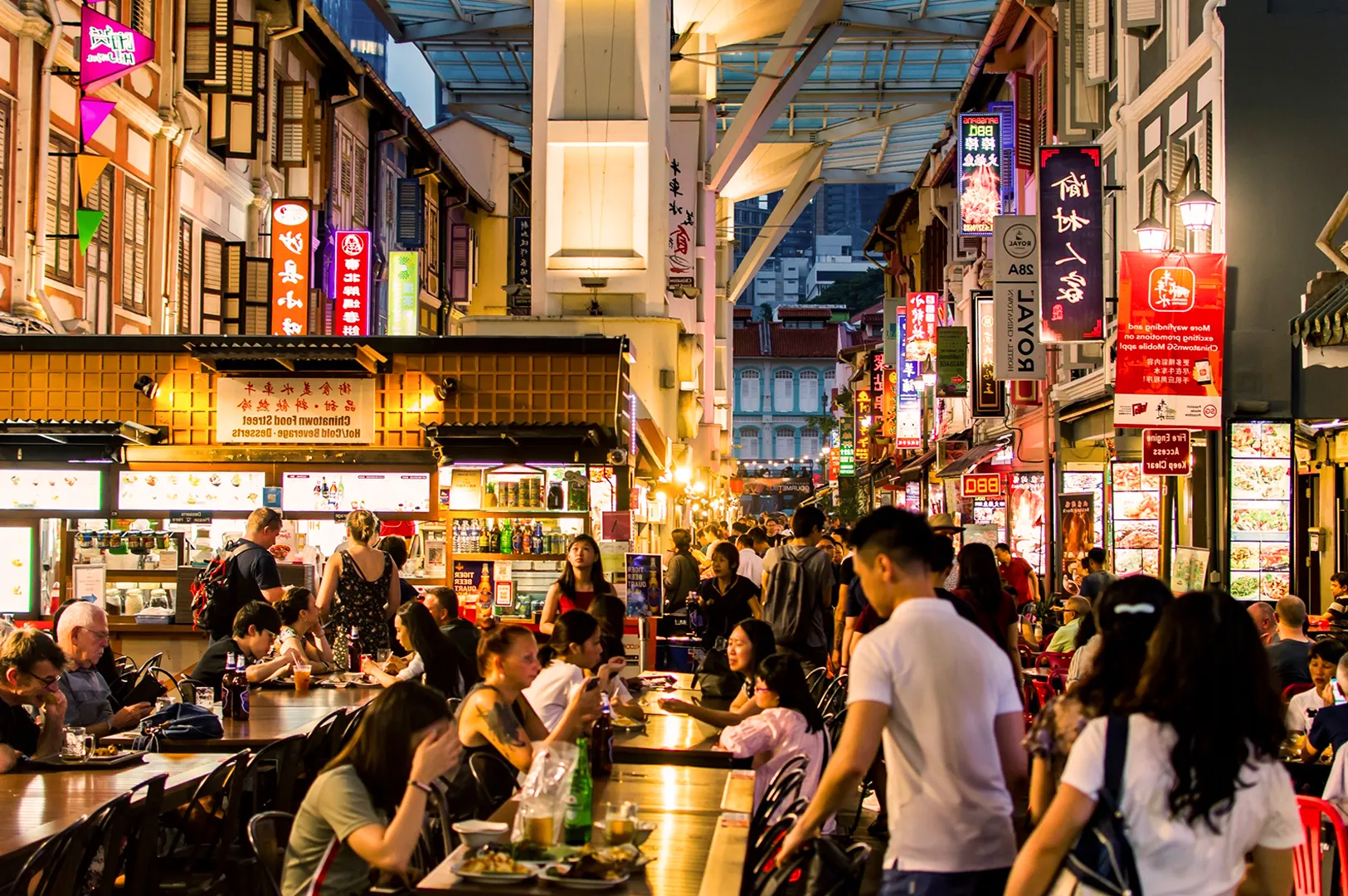
To truly taste what’s on the plate, I like to travel back a bit. Looking past the busy crowd, I catch a glimpse of Singapore’s early years, waves of immigrants from China, India, Malaysia, and many cultures, each with culinary traditions in their pockets and dreams in their eyes.
They couldn’t always get the same spices or meats they remembered, so they improvised, blended, and invented. Street-side pushcarts soon became bustling hawker centres, community dining rooms where diverse communities gather and share meals.
The result? A patchwork of traditions woven together with resilience, resourcefulness, and hope, a tapestry now so vital, UNESCO deems Singapore hawker culture an intangible cultural heritage of humanity.
The social fabric of Singapore is strengthened by these vibrant communal spaces, where families gather for dinner, friends meet, and community interactions flourish. Hawker centres function as integral parts of society, promoting social cohesion by embracing people from all walks of life.
Family Life and Culinary Practices in Hawker Culture
In most kitchens, chefs rotate through dozens of dishes. Not here. Traditional hawkers are specialists. Maybe it’s roast duck, maybe prawn noodles, but often, it’s one thing, and that focus makes them masters.
When I ask them for their secrets, most won’t pull out a recipe book. Their knowledge is in their hands, noses, and ears. After decades, they know by heart exactly how a broth should smell when it’s ready, or how noodles should hiss in the wok so they’re perfectly springy, never greasy.
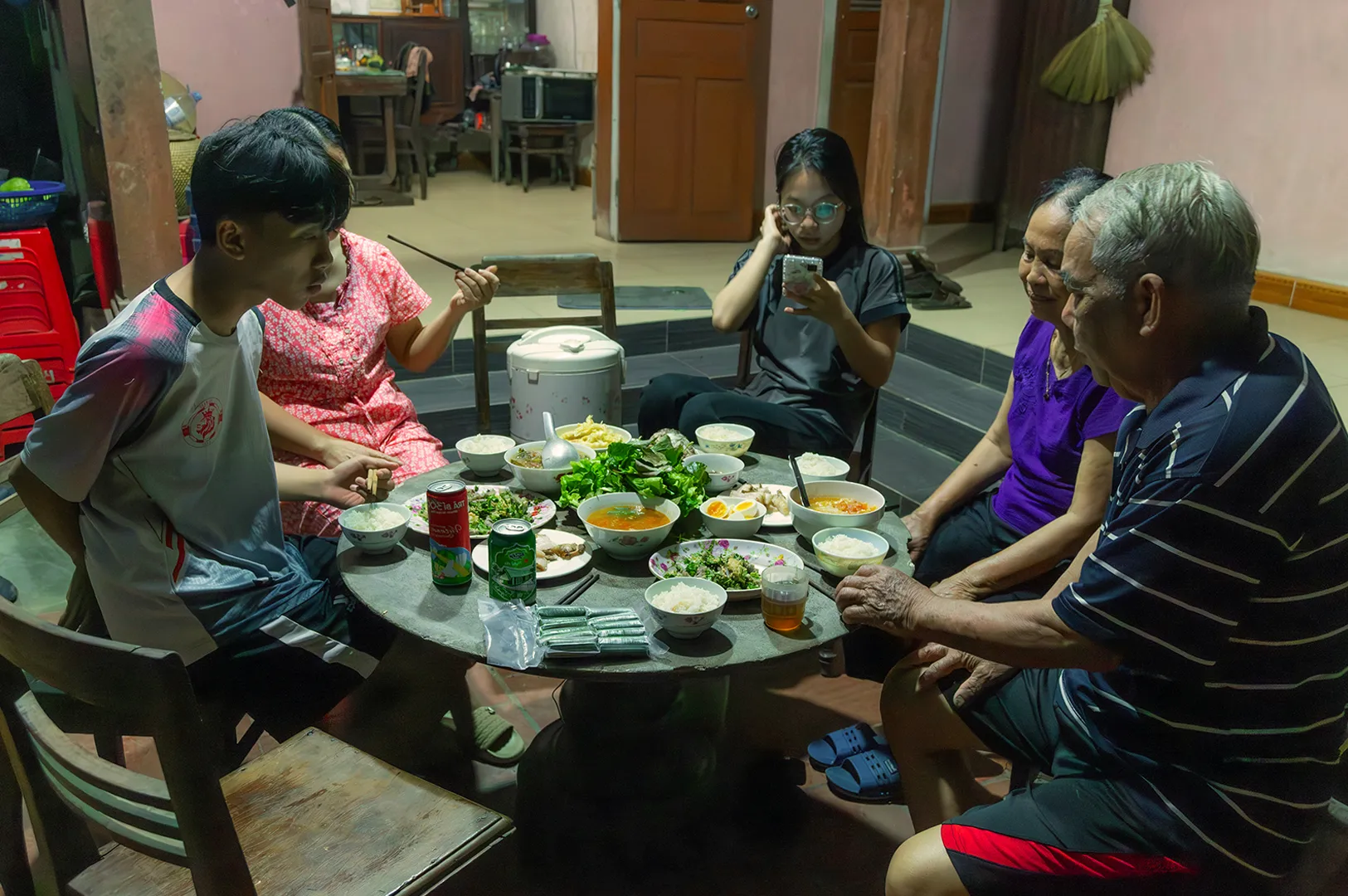
Hawker culture is deeply intertwined with family life. Many hawkers have passed down their recipes and culinary practices to younger family members, creating a family group that spans generations.
This transmission is supported by educational institutions and training programmes, including the National Environment Agency’s incubation stall programme, which helps aspiring hawkers enter the trade and sustain this cultural practice.
The Role of Family Structure and Family Forms
The family structure within hawker culture often reflects traditional family forms, where family members work together to run the hawker stalls. Such family groups may include parents, unmarried children, and sometimes the surviving spouse, all contributing to the household livelihood.
However, modern times have seen shifts in family life, including the rise of single parent families, which also participate in the hawker trade, adapting dishes to local tastes while maintaining the essence of their culinary heritage.
Community Dining and Social Fabric: The Heart of Singapore Hawker Centres
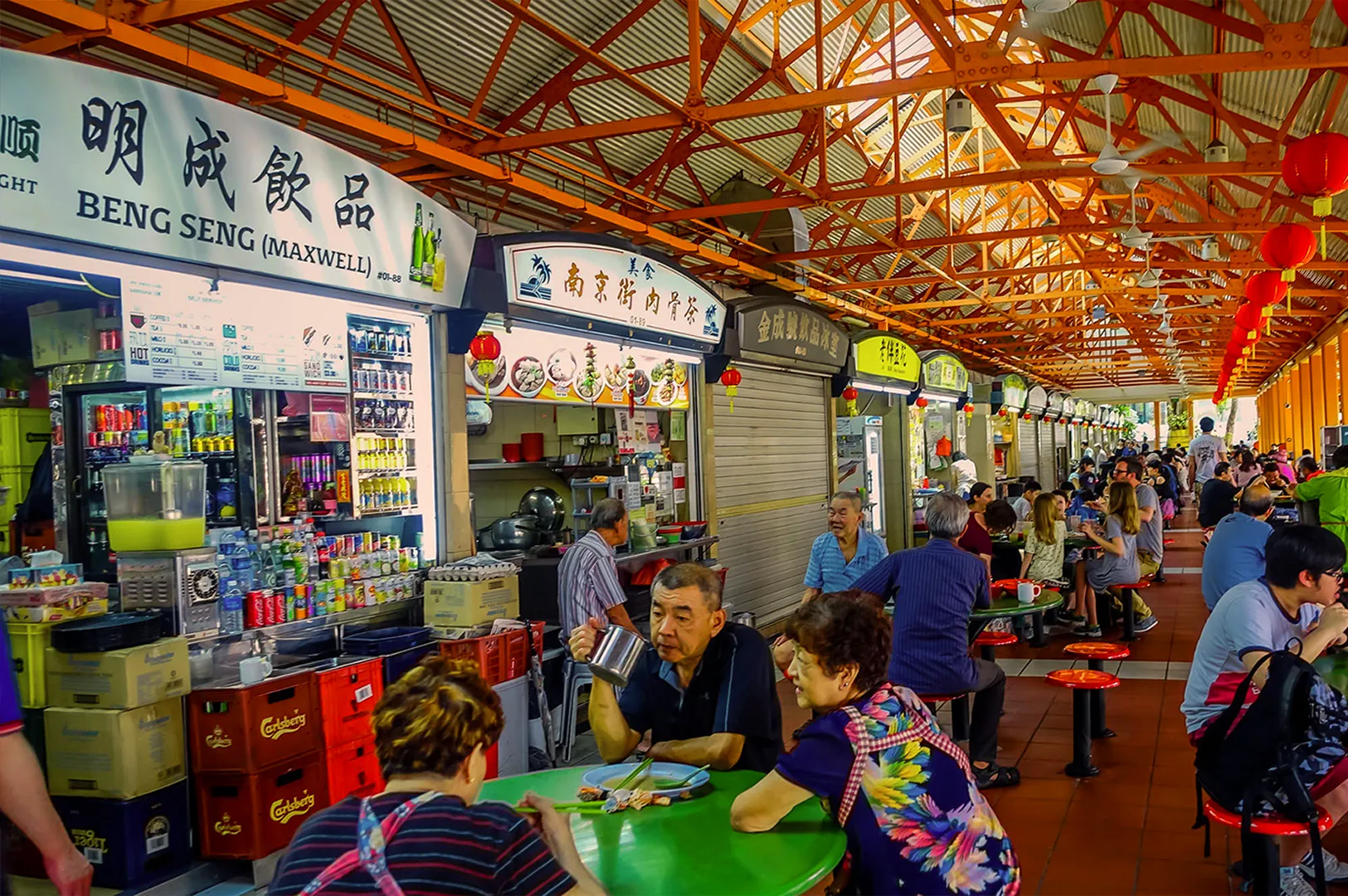
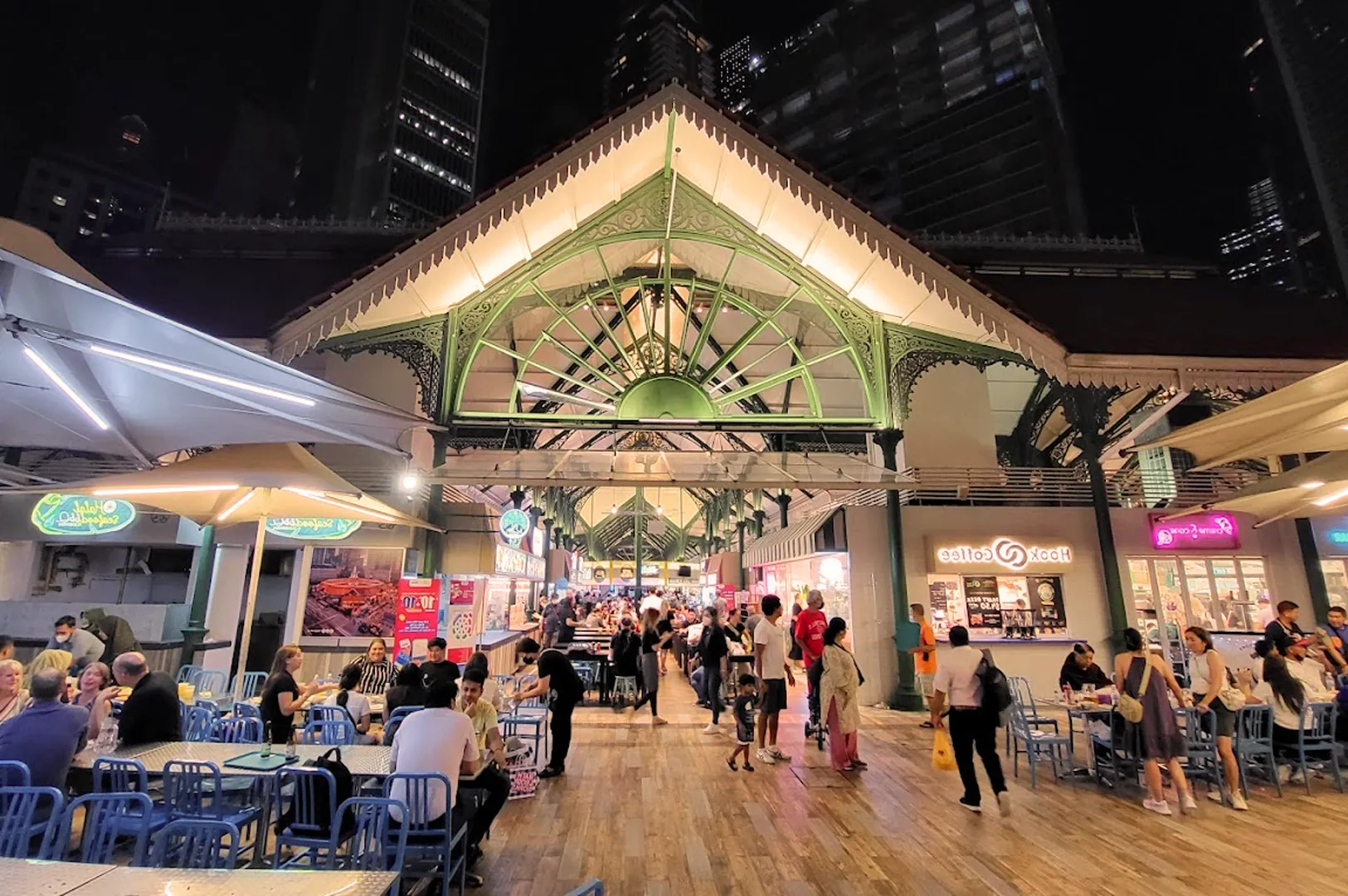
Hawker centres are more than just places to eat; they are community dining rooms, spaces where people from diverse backgrounds meet, mingle, and bond over favourite hawker food. These vibrant communal spaces promote social cohesion and strengthen the social fabric of Singapore’s multicultural city state.
The centres serve as inclusive arenas that embrace people regardless of socio-economic status, creating a sense of belonging and shared identity.
Community dining at hawker centres exemplifies the blending of many cultures, where culinary practices from eastern europe, western countries, and many others converge and adapt. The merchants associations and hawkers’ associations play vital roles in safeguarding the interests of hawkers and ensuring the sustainability of this cultural practice through various measures.
Kinship Terminology and the Social Group Dynamics in Hawker Culture
Understanding the kinship terminology relevant to hawker families helps illuminate the social group dynamics that underpin hawker culture. Such systems of kinship reflect how family includes various persons related by blood, marriage, or adoption, shaping the family law and family forms recognized in many countries, including Singapore.
In hawker culture, classificatory terminology often applies, where terms for family members may be shared or overlap, such as using the same term for father and father’s brother, reflecting social and familial bonds beyond the nuclear family. These kinship ties reinforce community interactions, ensuring that hawker culture remains a living, evolving tradition.
Family Law and Modern Marriage in the Context of Hawker Culture
Family law in Singapore, as in many countries, shapes the legal framework within which families operate, including those involved in hawker culture. The evolution of modern marriage and family forms influences family life and the practice of culinary traditions.
Despite shifts towards more diverse family structures, including male dominated family models and single parent families, the essence of family life, support, cooperation, and shared responsibility remains central in sustaining hawker culture.
The Future of Hawker Culture: Aspiring Hawkers and Training Programmes
The future of Singapore hawker culture depends on nurturing aspiring hawkers who respect tradition while innovating for modern tastes. Training programmes, supported by educational institutions and the National Environment Agency’s incubation stall programme, provide pathways for younger family members and newcomers to learn the trade.
These efforts ensure that the oldest hawkers’ legacy continues, adapting dishes to evolving local tastes and maintaining the vibrant communal spaces that define Singapore’s hawker centres.
Conclusion: Hawker Culture as an Integral Part of Singapore’s Social Fabric
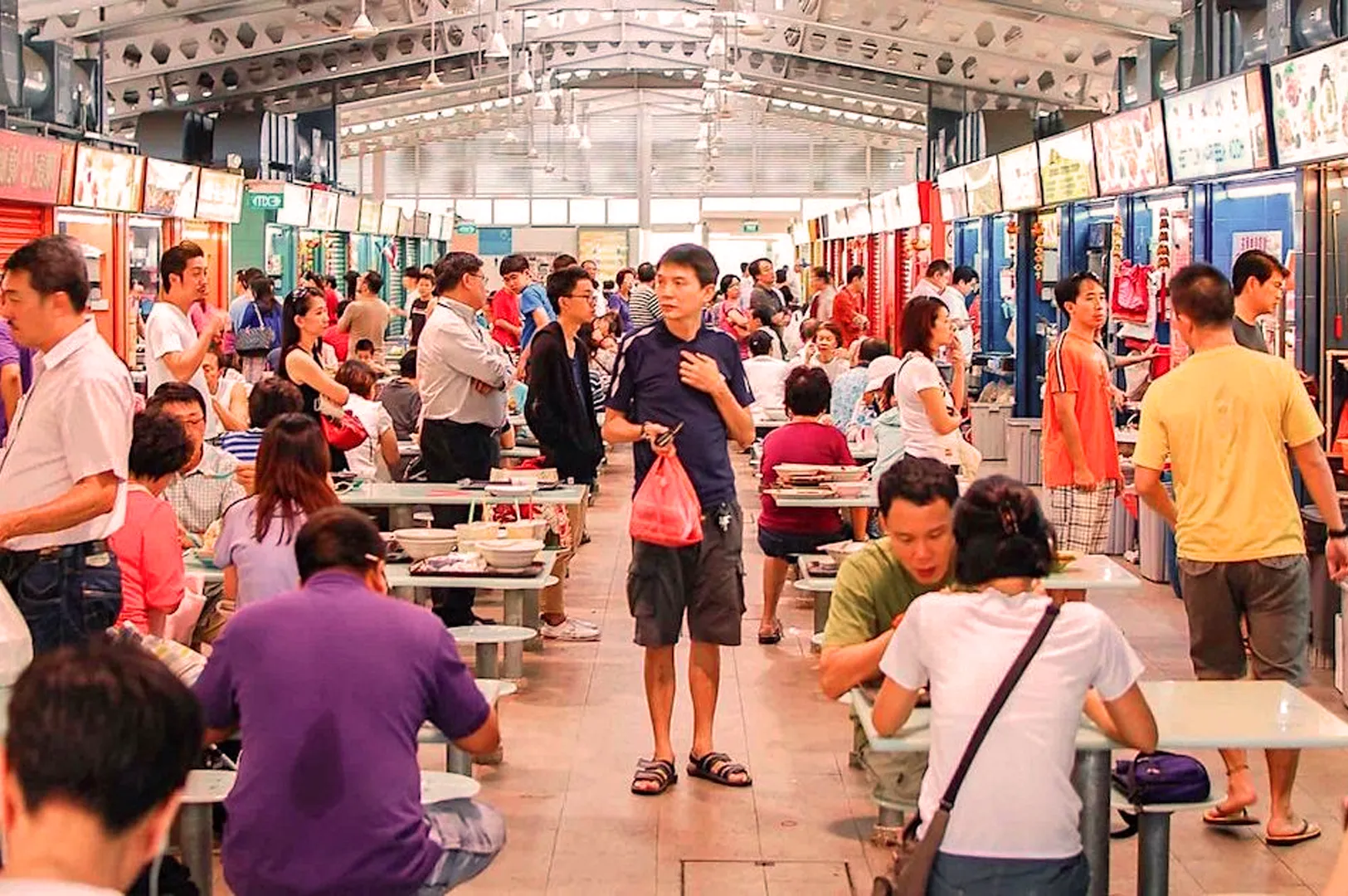
Singapore’s hawker culture is more than food; it is a living narrative of family life, community dining, and multicultural urban context. The hawker stalls tell stories of family groups, kinship terminology, and culinary practices passed down through generations.
Supported by family law, educational institutions, and various measures, this intangible cultural heritage remains an integral part of Singapore’s society, embracing people from diverse backgrounds and strengthening the social cohesion that makes this multicultural city state unique.
Curious to see how these beloved hawker centers transformed over the years? Take a look at A Culinary Journey Through Hawker Centres: Discovering Singapore Street Food