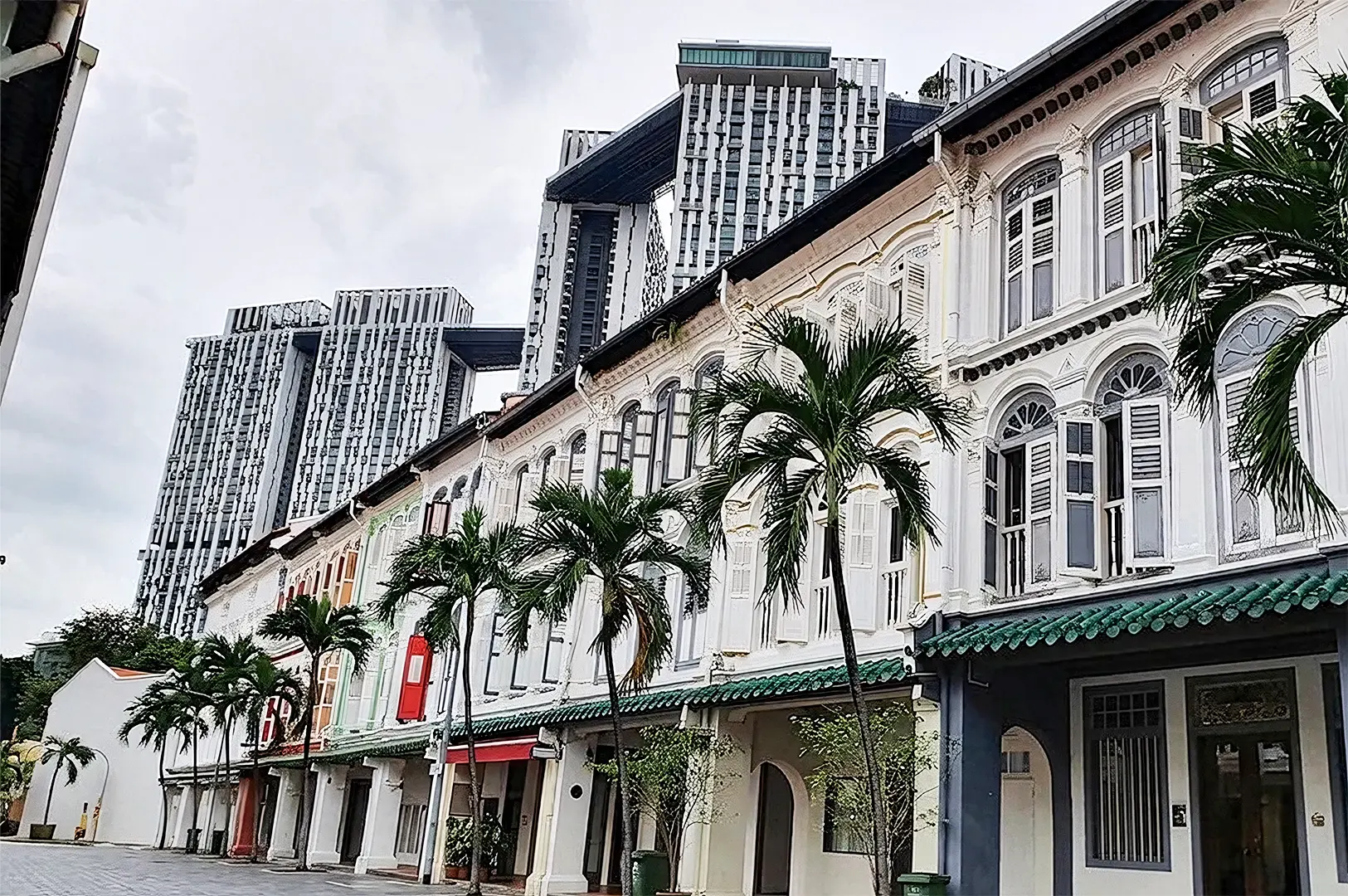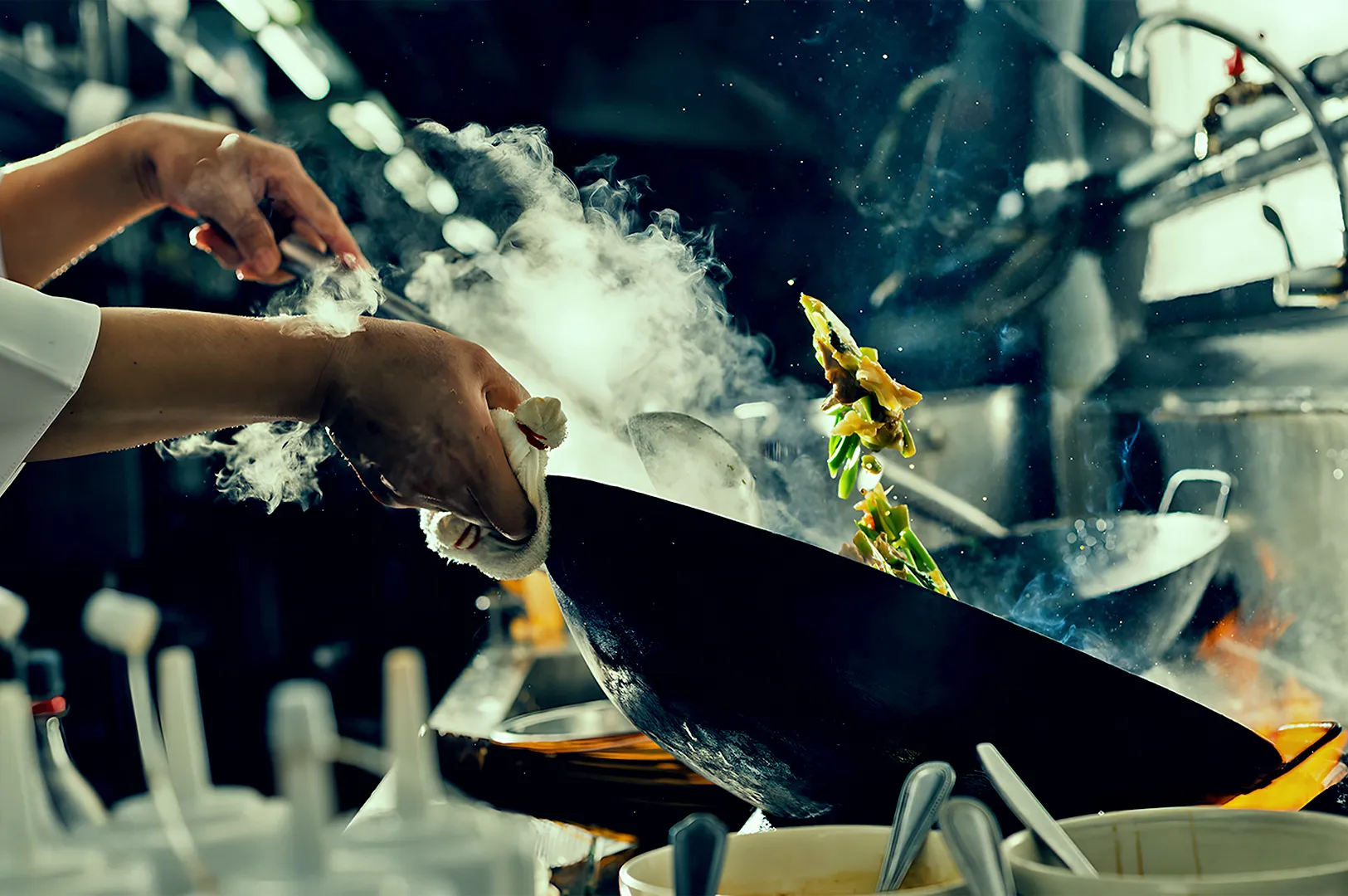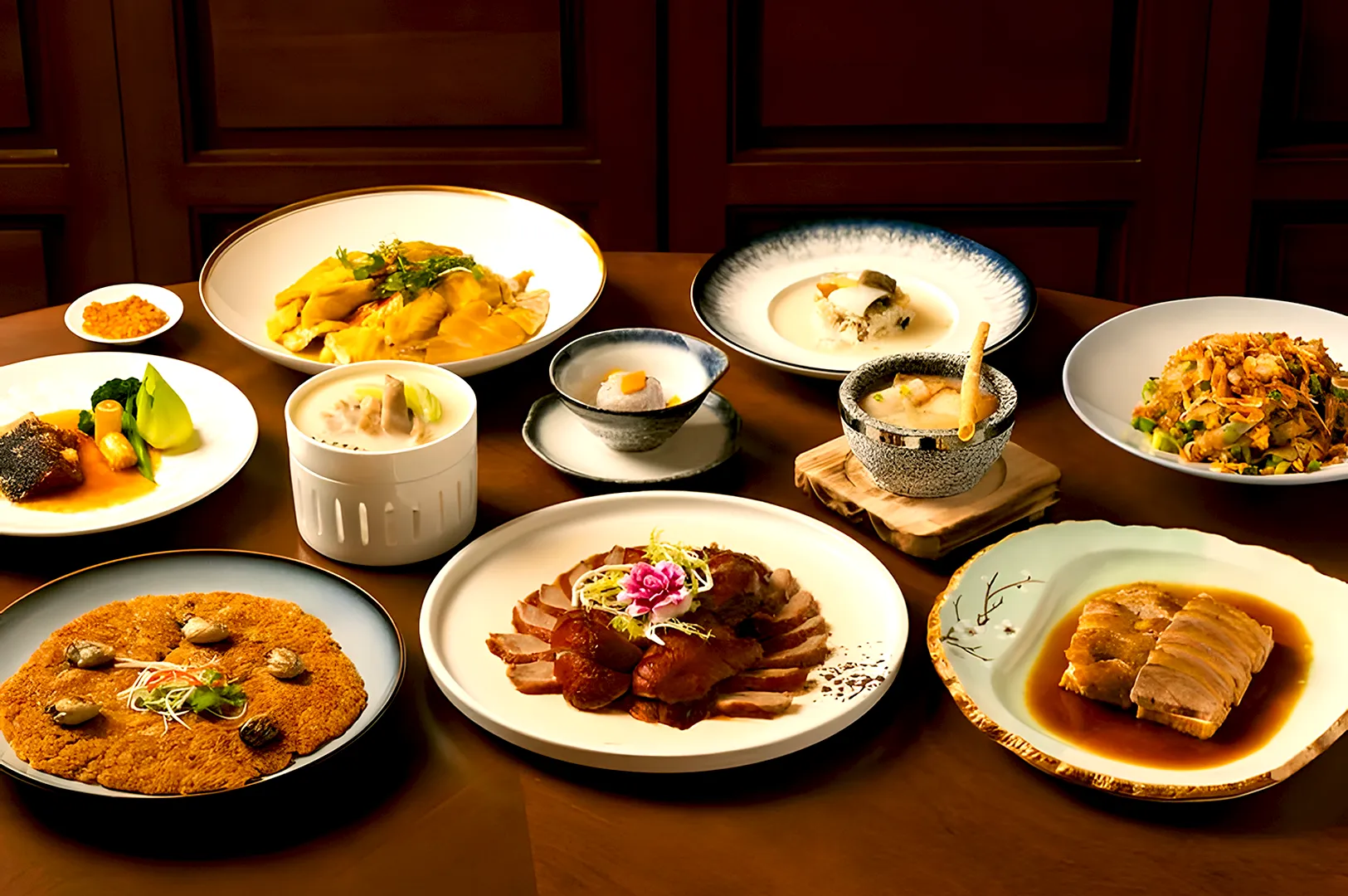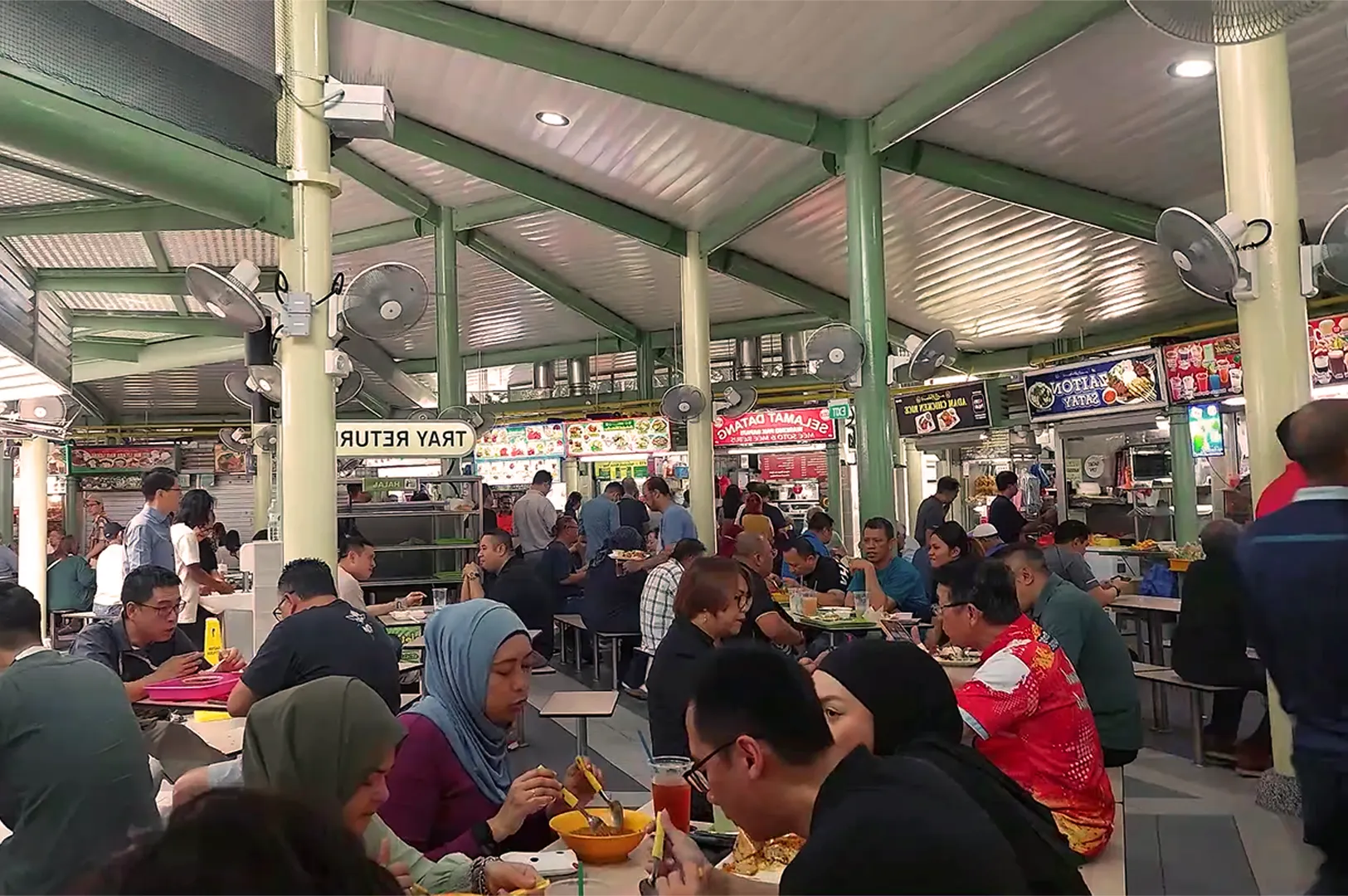
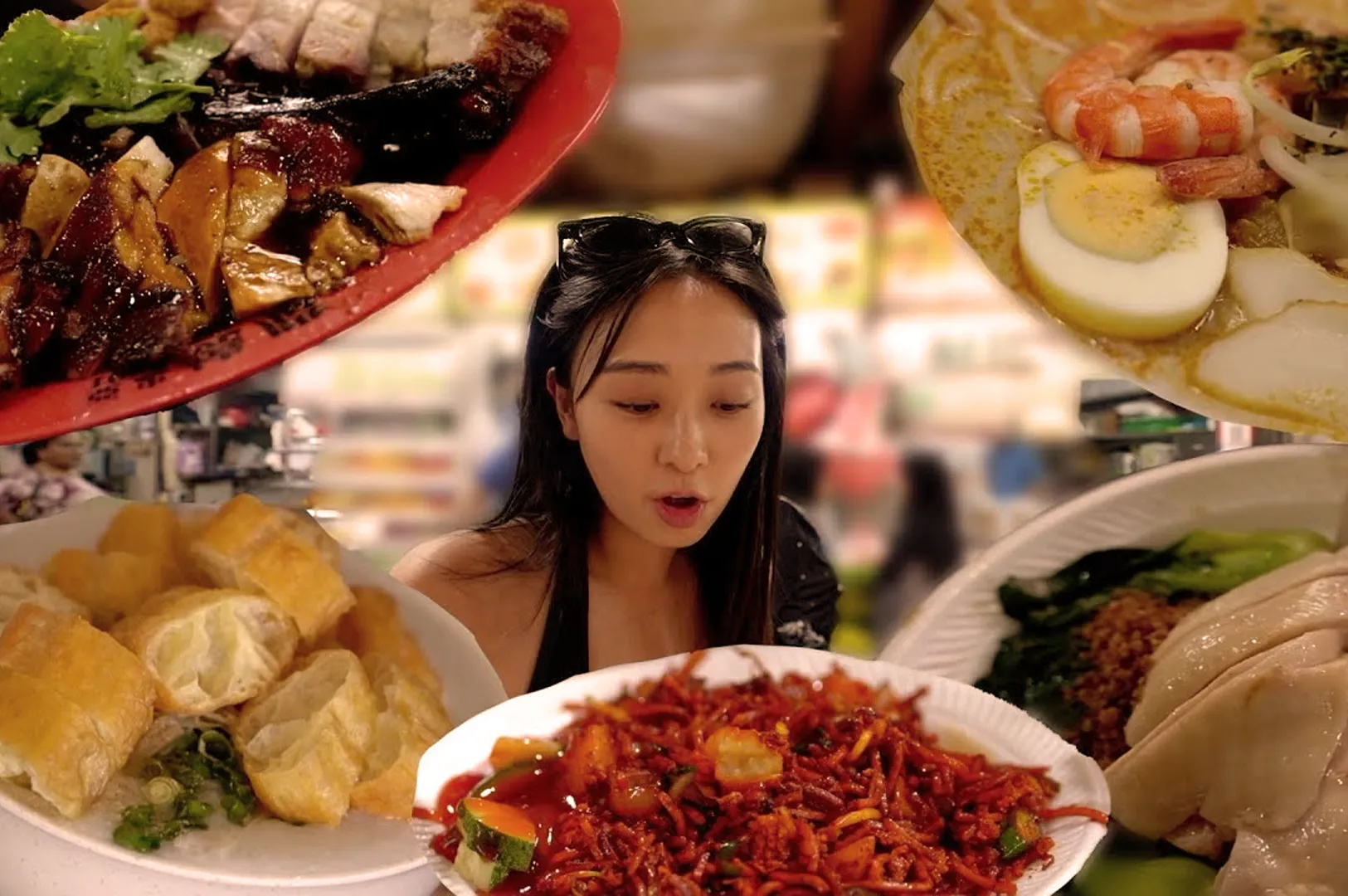
Picture this: I’m standing in the middle of a bustling Singaporean hawker centre, maybe Maxwell Food Centre or Chinatown Complex. The air hangs heavy with humidity and the intoxicating scent of toasted sambal chili sauce, garlic, and caramelizing soy sauce. All around me, the clanking of metal spatulas against seasoned woks creates a rhythmic, metallic heartbeat. Bright neon signs illuminate plumes of steam rising from giant bubbling pots. For me, this isn’t just a place to grab a quick bite, this is the ultimate culinary theater.
If you want to understand the soul of this island city, you have to eat its street food. Singapore street food is a dazzling mosaic of Chinese, Malay, Indian, and Peranakan influences, reflecting the rich culinary diversity of Southeast Asia. Every dish tells a story of migration, adaptation, and an absolute passion for flavor. Forget white tablecloths and hushed dining rooms.
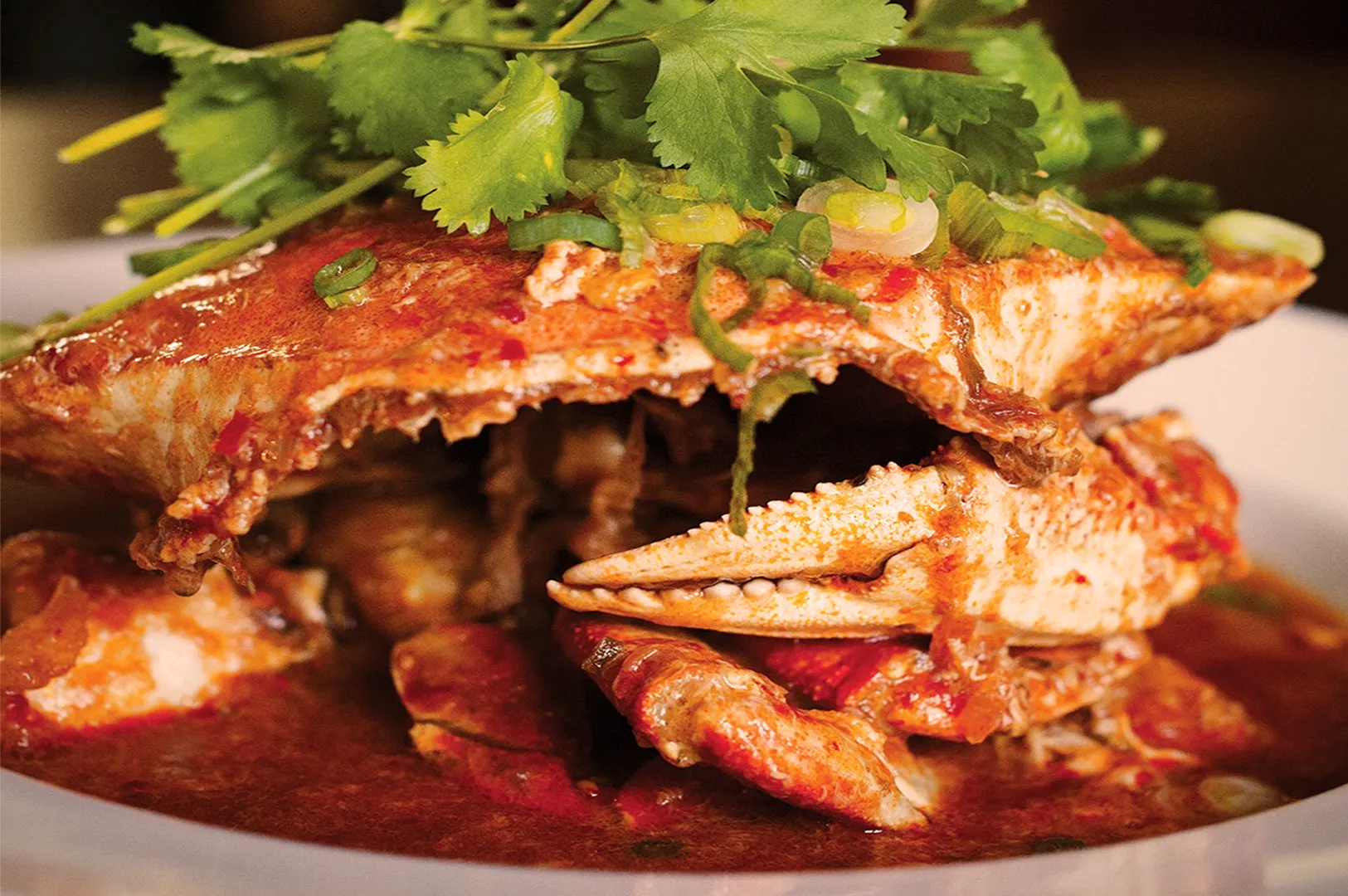
Chilli Crab: Singapore’s Messy Masterpiece
Chilli crab, or Singapore chili crab, is a messy, hands-on dish that I found to be a cornerstone of Singapore food culture. While it’s often found in larger seafood restaurants rather than traditional hawker stalls, it’s a must-try for any visitor. I imagine a massive mud crab, chopped into pieces and smothered in a thick, luscious, tomato-based gravy enriched with egg ribbons. The sauce strikes a perfect balance between sweet, savory, and tangy, with just a hint of spicy sauce that excites the taste buds without overwhelming them.
To complete the experience, fried dough mantou buns are served on the side to mop up every last drop of that glorious gravy. Whether you’re at a food court or a hawker centre like Newton Hawker Centre, this iconic dish is unforgettable.
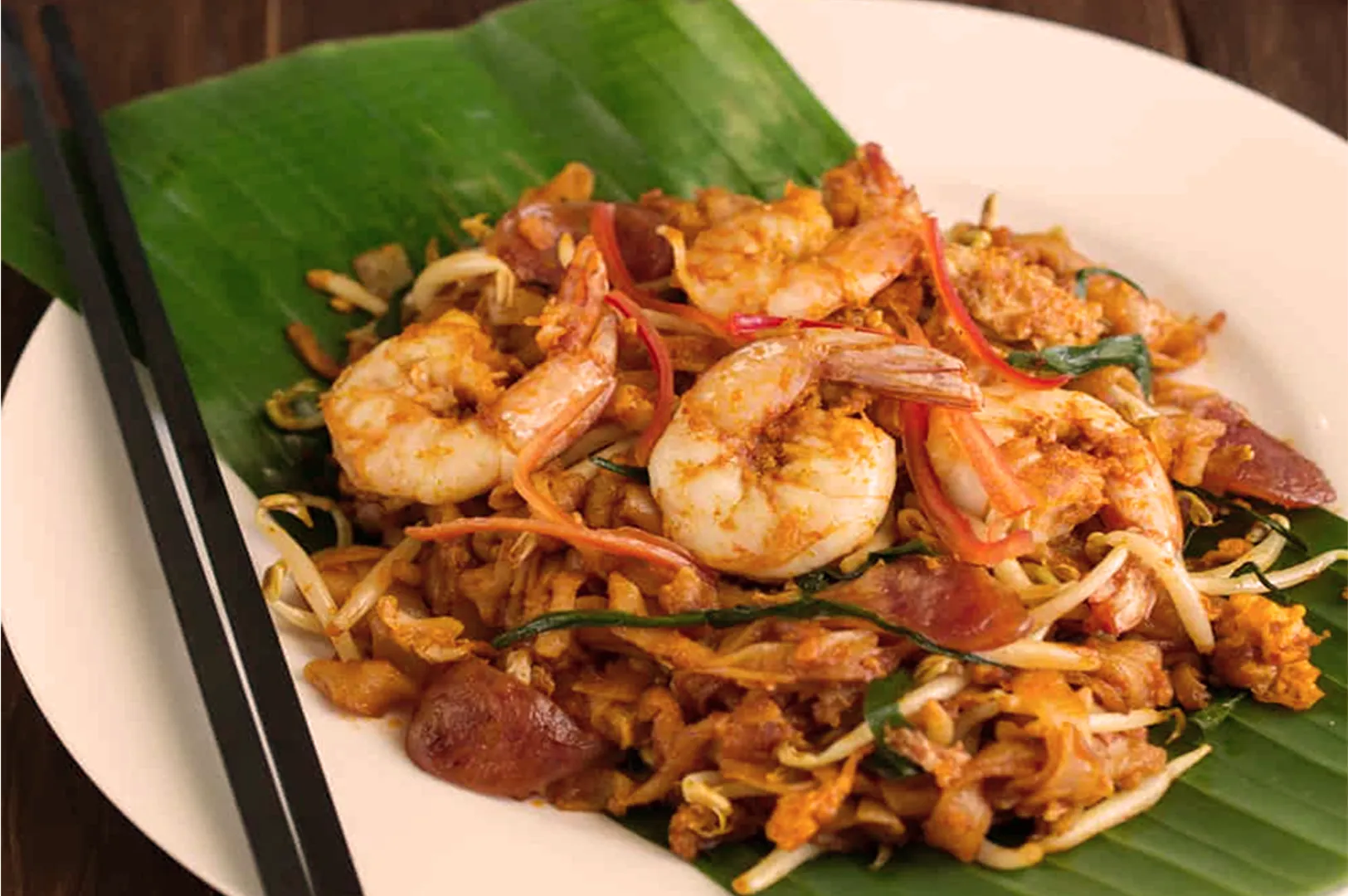
Char Kway Teow: The Wok Hei Wonder of Stir Fried Noodles
Char kway teow is one of my favorite dishes of stir fried flat rice noodles, embodying the spirit of street food in Singapore. Known for its intense smoky flavor called “wok hei,” this popular noodle dish requires immense skill. I’ve watched hawkers toss the noodles over roaring flames, combining ingredients like Chinese sausage, blood cockles, fish cake, bean sprouts, and crispy cubes of pork lard. The noodles are coated in dark soy sauce and chili sauce, creating a rich, savory, and slightly sweet flavor profile.
This popular noodle dish, which you’ll find in hawker centres and food stalls across the city, perfectly showcases Singaporean food’s boldness and complexity.
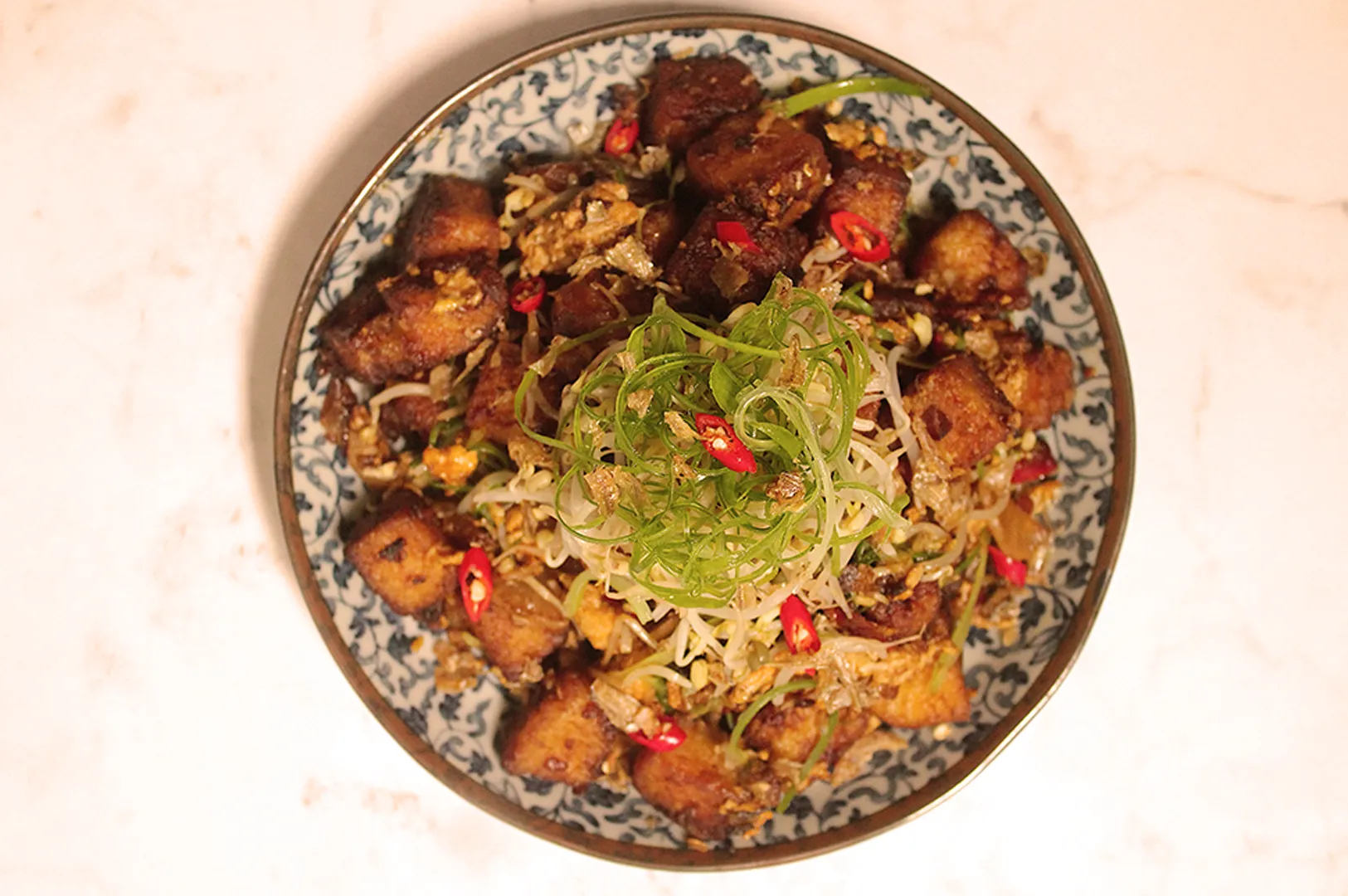
Carrot Cake (Chai Tow Kway): A Beloved Hawker Stall Classic
Despite its name, carrot cake in Singapore isn’t made from carrots but from steamed rice cakes and shredded radish, known locally as chai tow kway. I enjoyed both versions: black, with a sweet soy sauce glaze, and white, which is lighter and crispier. Fried eggs, preserved vegetables, and chili sauce add layers of flavor, while pork lard and garlic enhance the aroma.
Carrot cake is a staple at hawker centres like Airport Road Food Centre, where food stalls serve it with a side of sambal chili sauce for those who like a spicy kick.
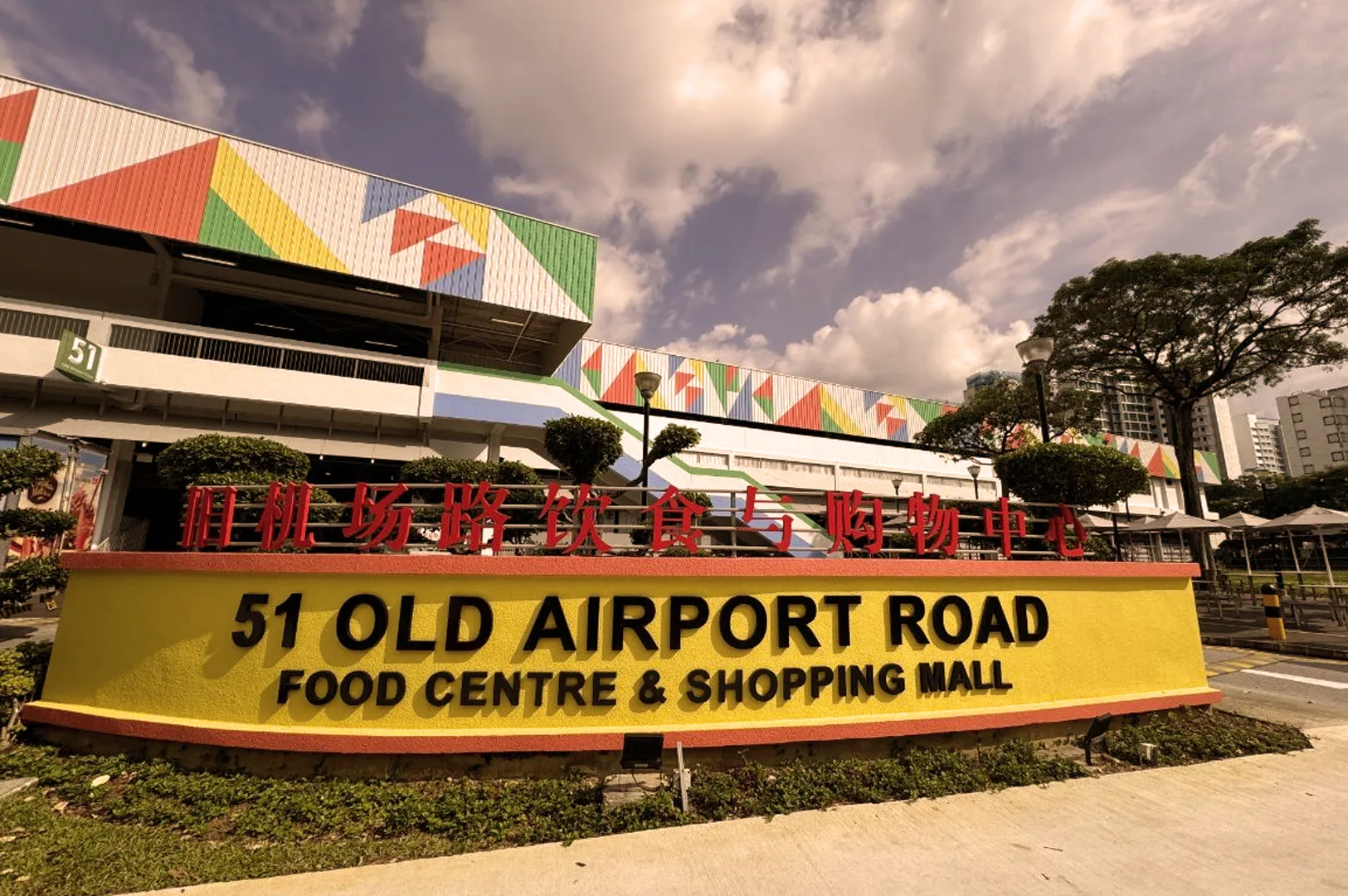
Airport Road Food Centre: A Hub of Delicious Dishes
When I visited Airport Road Food Centre, I found it to be a renowned hawker centre known for its variety of delicious dishes. Here, you can savor pork ribs slow-cooked to perfection, hokkien mee made with egg noodles and prawn broth, and bak kut teh, a comforting mutton soup simmered with herbs and spices.
The food stalls here also serve specialties like braised pork belly, roast duck, and fried chicken, showcasing the diversity of Singapore street food.
This food centre truly exemplifies the hawker culture that UNESCO has recognized as an Intangible Cultural Heritage of Humanity. Hawker centres like this serve a variety of affordable dishes, often priced under $10, making them accessible to everyone.
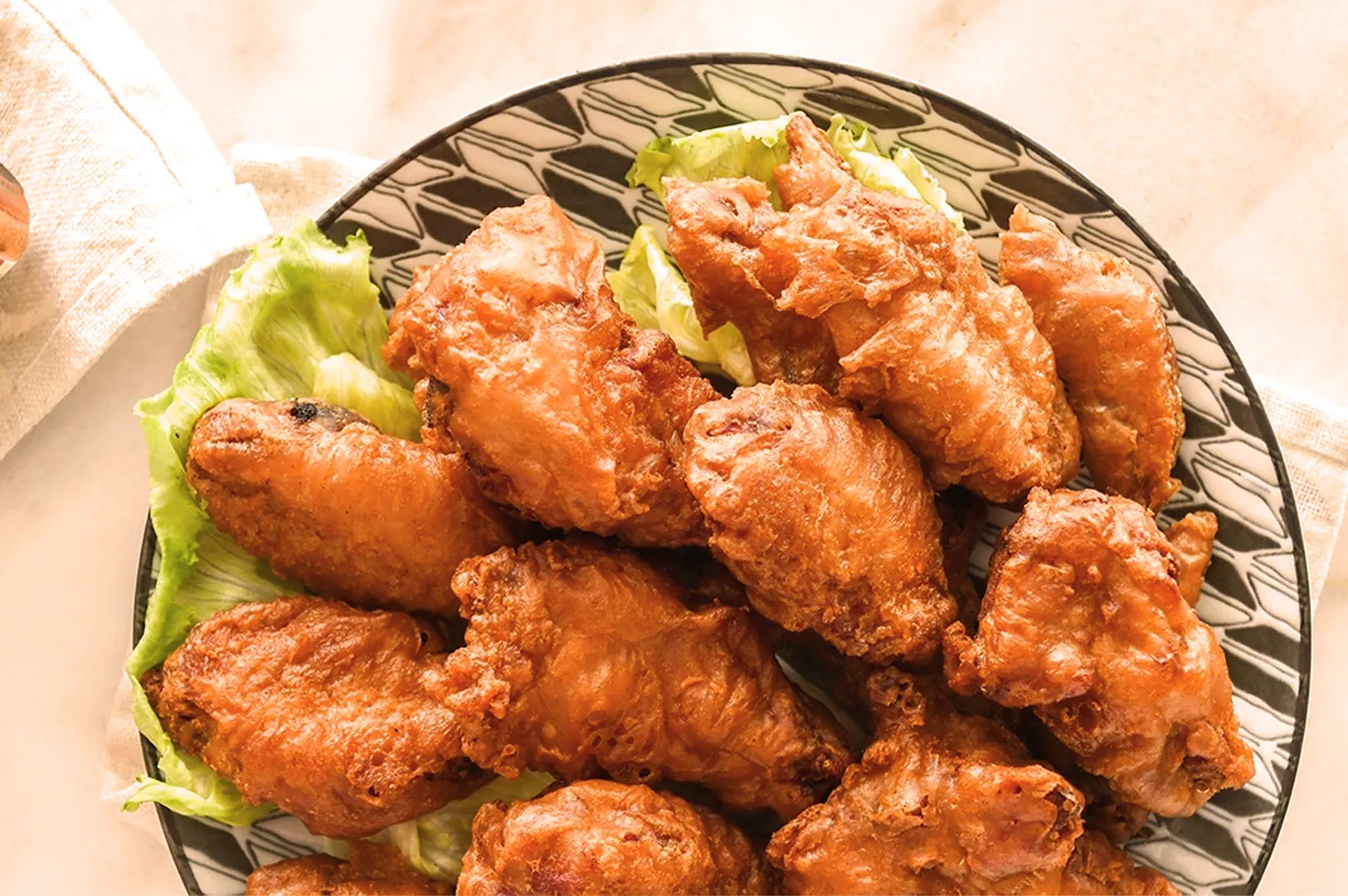
Chicken Wings and Other Savory Snacks to Savor
Chicken wings marinated in shrimp paste and fried to crispy perfection quickly became one of my favorite snacks. These wings are often served with a spicy sauce or sambal chili sauce, making them a flavorful street food option. Other favorites I tried include fried fish, fried tofu, and yong tau foo – cooked food items stuffed with minced pork or fish paste.
I found these snacks at hawker centres like Maxwell Food Centre and Newton Hawker Centre, where food stalls offer a vast array of options to satisfy any craving.
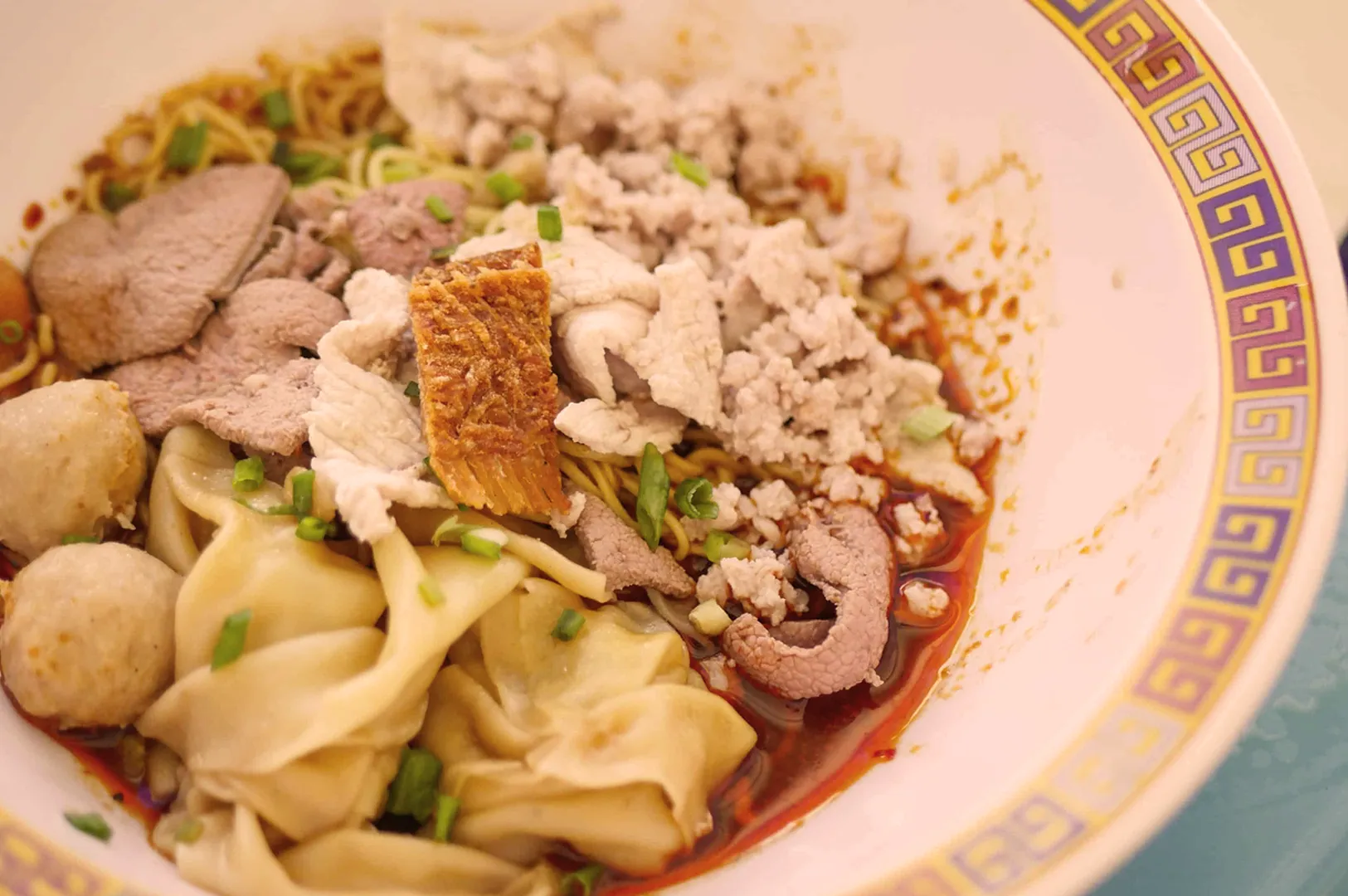
Bak Chor Mee: The Minced Pork Noodle Delight
Bak chor mee, meaning minced pork noodles, is a beloved dish in Singapore street food culture that I couldn’t get enough of. This popular dish features springy egg noodles tossed with minced pork, pork lard, fish balls, and a tangy chili sauce. Some versions include slices of braised pork belly and mushrooms, all brought together with a drizzle of sesame oil and soy sauce.
Bak chor mee is a staple at many hawker stalls across the city, especially at food centres such as Chinatown Complex and Maxwell Food Centre.
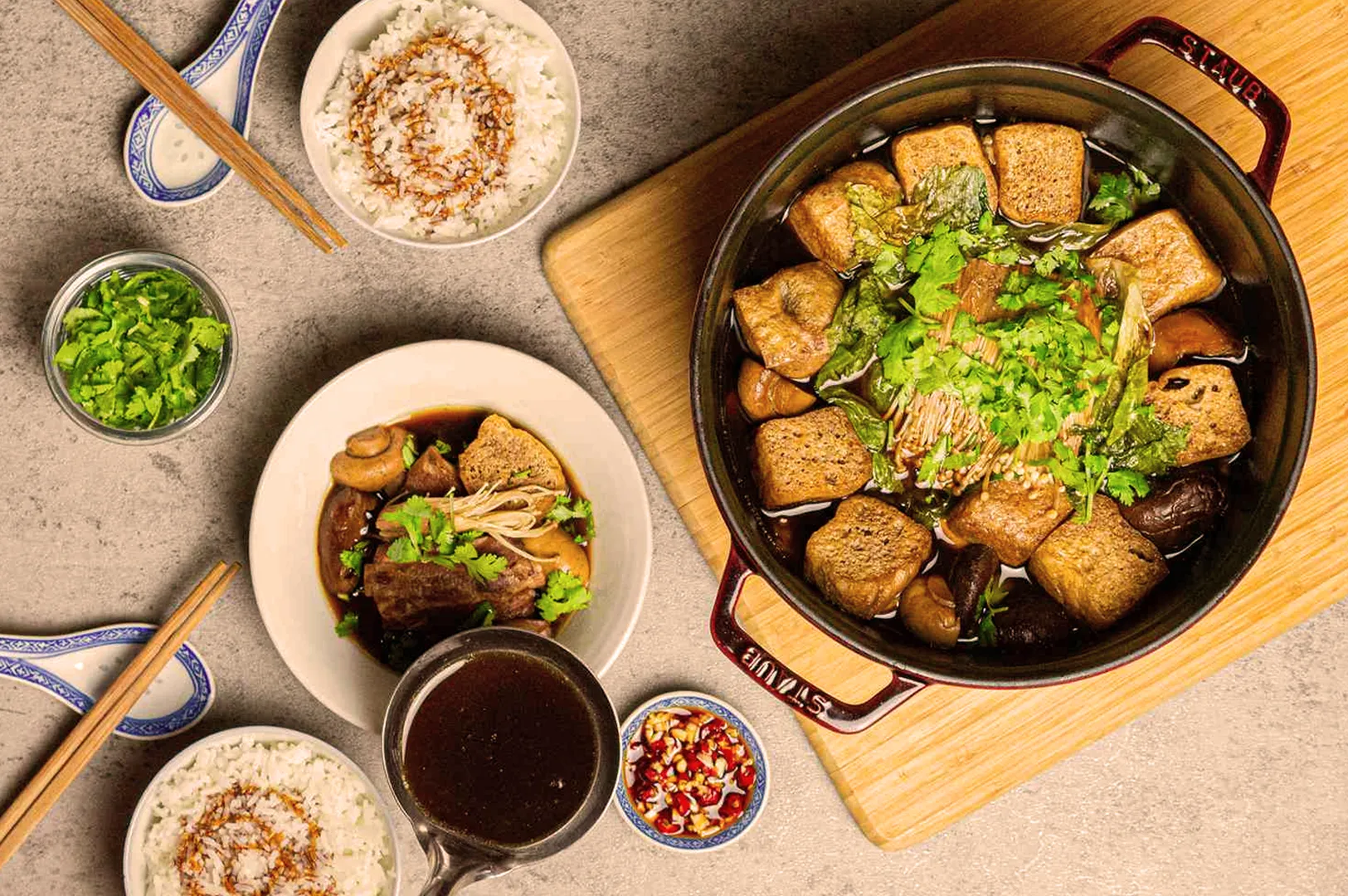
Bak Kut Teh: A Hearty Herbal Mutton Soup
Bak kut teh is a traditional Southeast Asian dish consisting of pork ribs simmered in a fragrant broth of herbs and spices. This mutton soup is often enjoyed with steamed rice or fragrant rice cooked with chicken fat. It’s commonly served with sides like fried dough, preserved vegetables, and a dipping sauce made from dark soy sauce and chili sauce.
I found bak kut teh popular at food centres such as Airport Road Food Centre and Yuhua Market. It’s a comforting dish that reflects Singapore’s multicultural heritage.
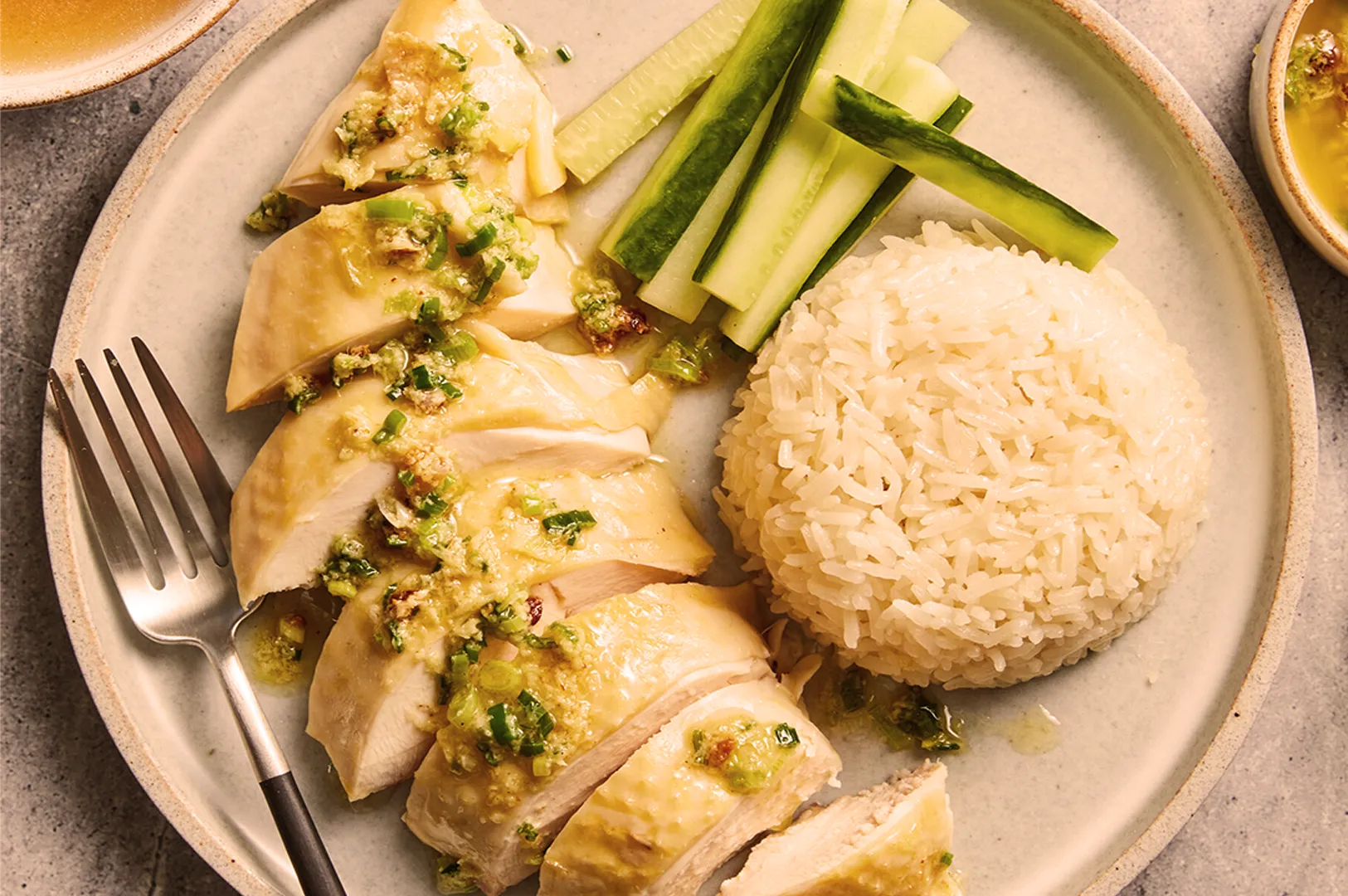
Hainanese Chicken Rice: The Quintessential Singaporean Food
Hainanese chicken rice is arguably Singapore’s most iconic dish, and it quickly became one of my favorites. The poached chicken is tender and juicy, served alongside fragrant rice cooked in chicken broth and chicken fat. Accompaniments include a fiery sambal chili sauce, dark soy sauce, and a ginger scallion paste. This dish is a masterclass in simplicity and flavor.
You can enjoy this popular dish at hawker centres like Maxwell Food Centre and Chinatown Complex, where hawker stalls have perfected their recipes over generations.
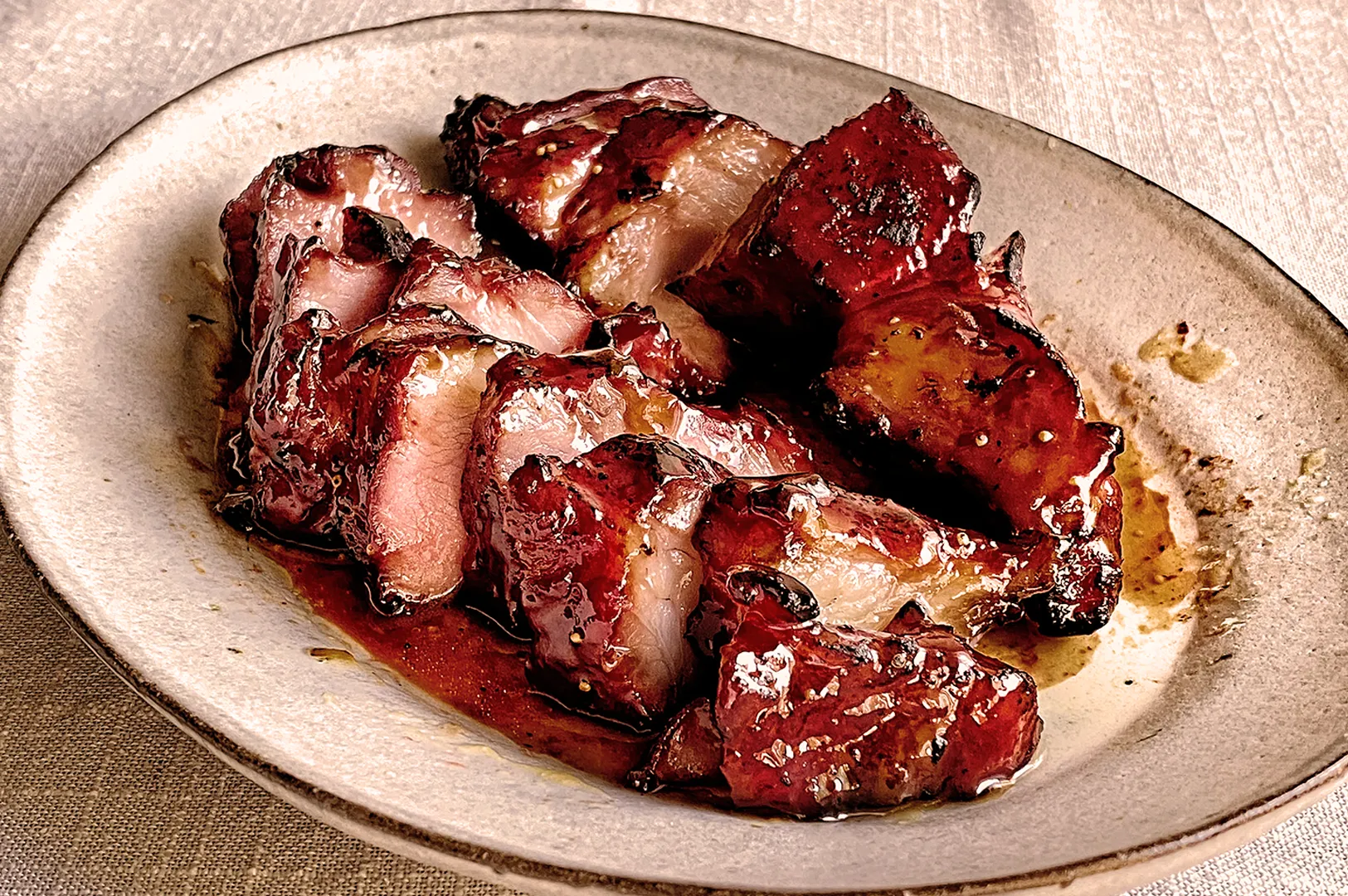
Char Siu: The Sweet and Savory Roasted Meat
Char siu, or Cantonese-style roasted meat, features pork belly marinated in a blend of soy sauce, honey, and Chinese five-spice powder, then roasted to achieve a glossy, caramelized exterior. The meat is tender, juicy, and packed with flavor. Char siu is often served with steamed rice or egg noodles and is a favorite at hawker stalls and food centres like Chinatown Complex.
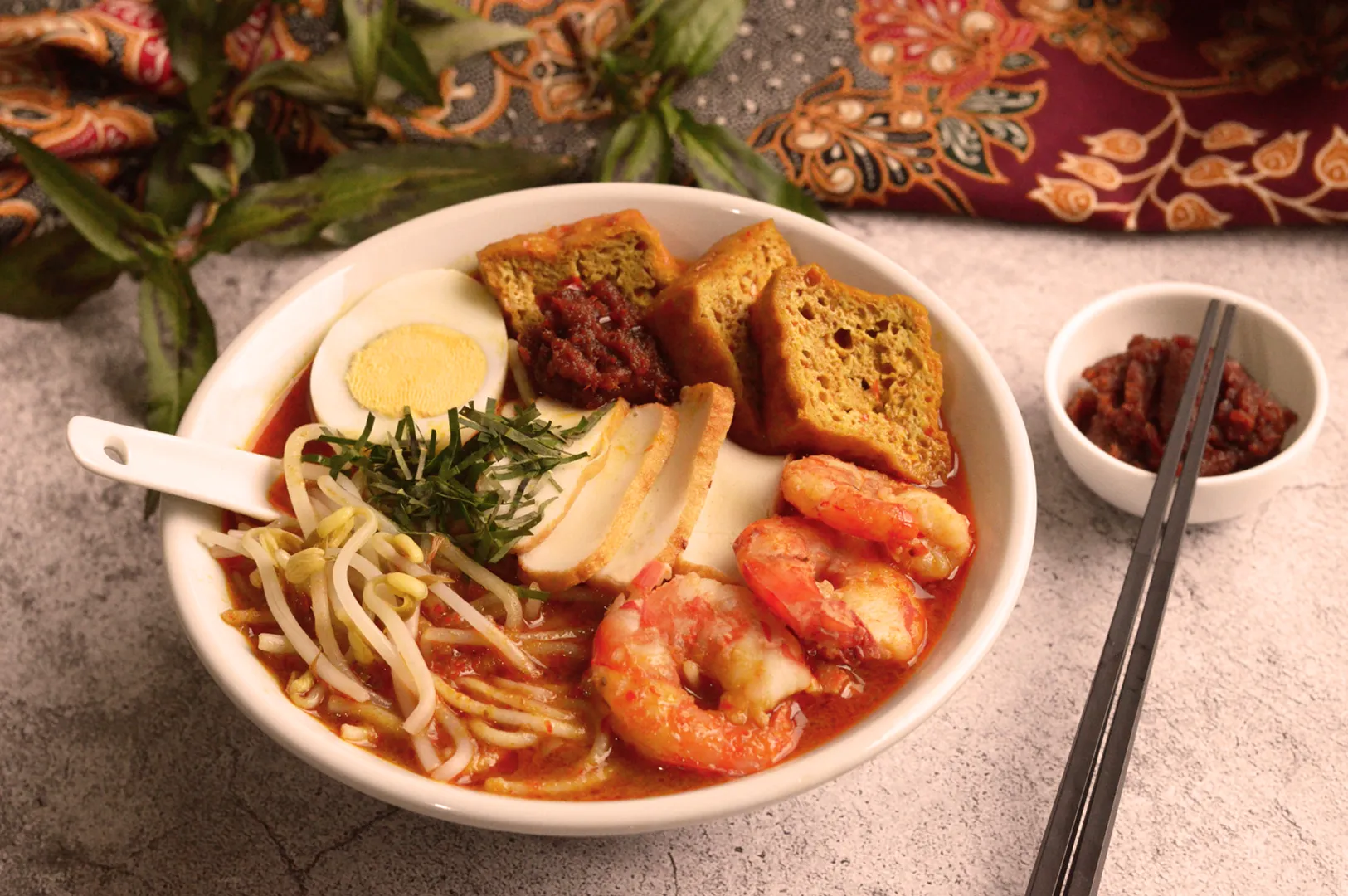
Laksa: A Spicy Coconut Milk Noodle Soup
One of the most popular noodle dishes in Singapore is laksa, a rich and spicy coconut milk-based soup served with thick rice noodles. The broth is made with dried shrimp and infused with fragrant laksa leaves, giving it a unique and irresistible flavor. The bowl is typically filled with prawns, fish cake, tofu puffs, and bean sprouts, making it a hearty and satisfying meal.
I highly recommend trying laksa at hawker centres such as Chinatown Complex and Maxwell Food Centre to experience this iconic Southeast Asian dish. Laksa exemplifies the fusion of Chinese and Malay culinary traditions, a hallmark of Singapore’s diverse food heritage.
What I discovered: The dish is often accompanied by a side of sambal chili sauce for those who enjoy an extra spicy kick. Its popularity at affordable prices, often under $10, makes laksa a favorite among locals and tourists alike.
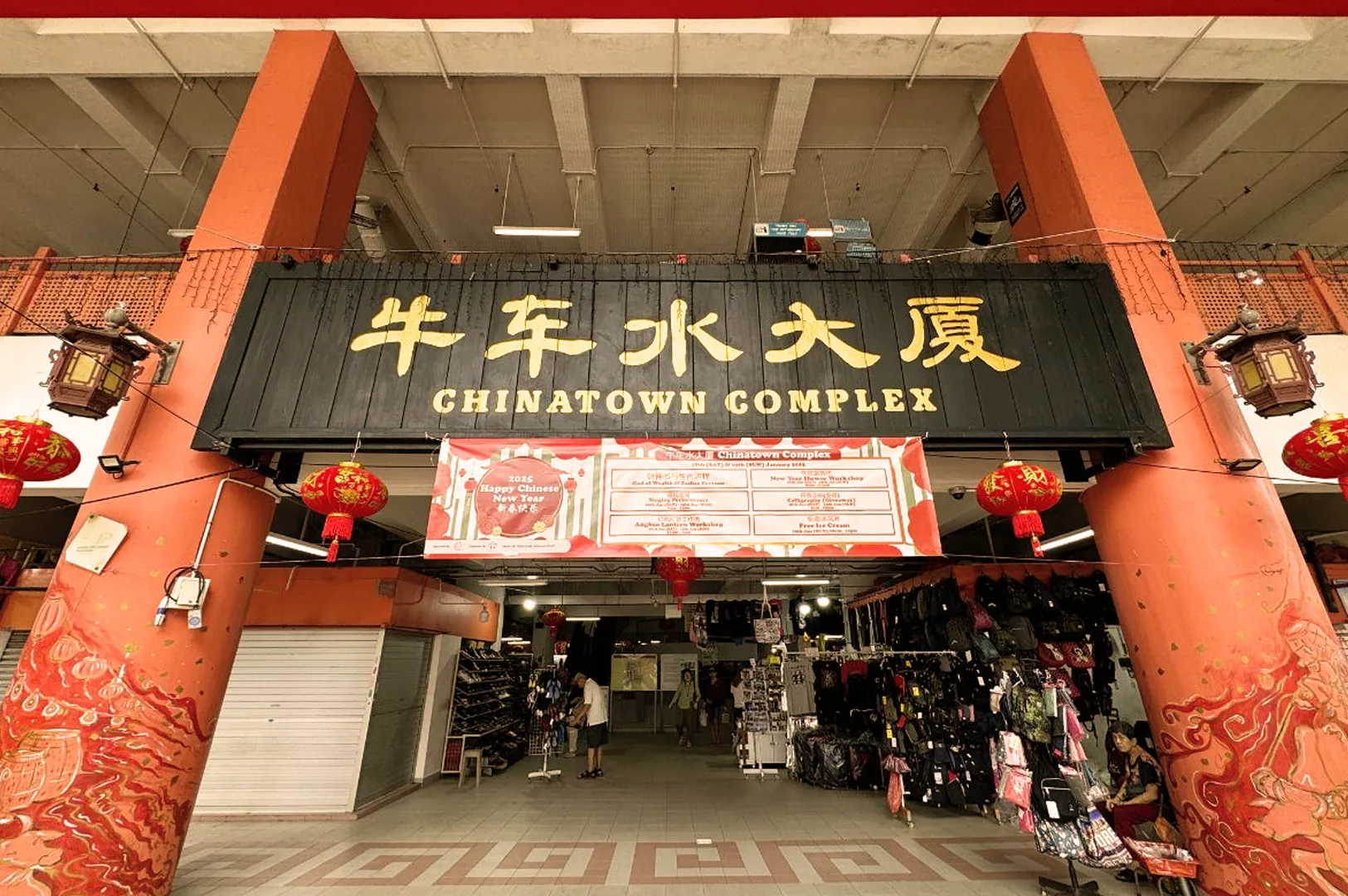
Chinatown Complex: The Largest Food Centre for Singapore Street Food
Chinatown Complex is the largest hawker centre in Singapore and a mecca for street food lovers like me. It houses hundreds of food stalls offering everything from Hainanese chicken rice and bak chor mee to carrot cake and prawn noodles. The complex reflects the rich hawker culture and diversity of Singapore food, attracting both locals and tourists eager to sample authentic dishes.
Whether I’m craving kaya toast with coconut jam for breakfast or a hearty bowl of bak kut teh for dinner, Chinatown Complex has it all.
Hawker Culture: The Heartbeat of Singapore
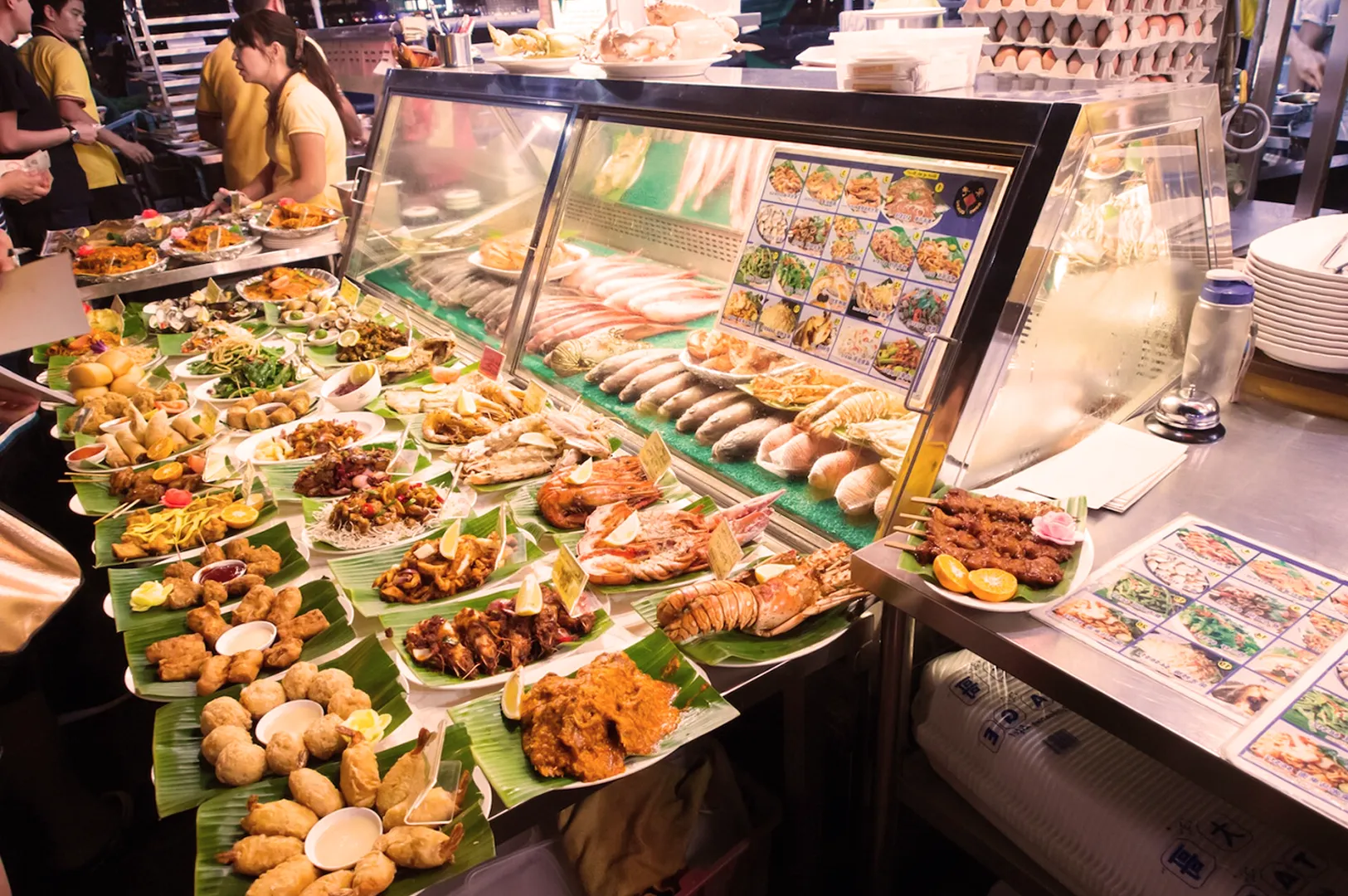
What truly makes Singapore street food special is the vibrant hawker culture behind it. Hawker centres serve as communal hubs where people from diverse backgrounds come together to share meals and stories. This culture was honored with a UNESCO Intangible Cultural Heritage designation in 2020, highlighting its significance in preserving social fabric and community ties.
However, I’ve noticed that the future of hawker culture is uncertain, as younger generations are less inclined to take on the demanding work of hawking. It’s more important than ever to celebrate and support these food stalls that are integral to Singapore’s identity.
Personal Tip: When visiting hawker centres, don’t hesitate to ask the vendors for their recommendations or the day’s specialties. Often, they’ll share insider tips on the best dishes or how to enjoy them authentically. It’s a great way to connect with the culture and discover hidden gems beyond the usual favorites.
Savoring the Flavors of Singapore Street Food
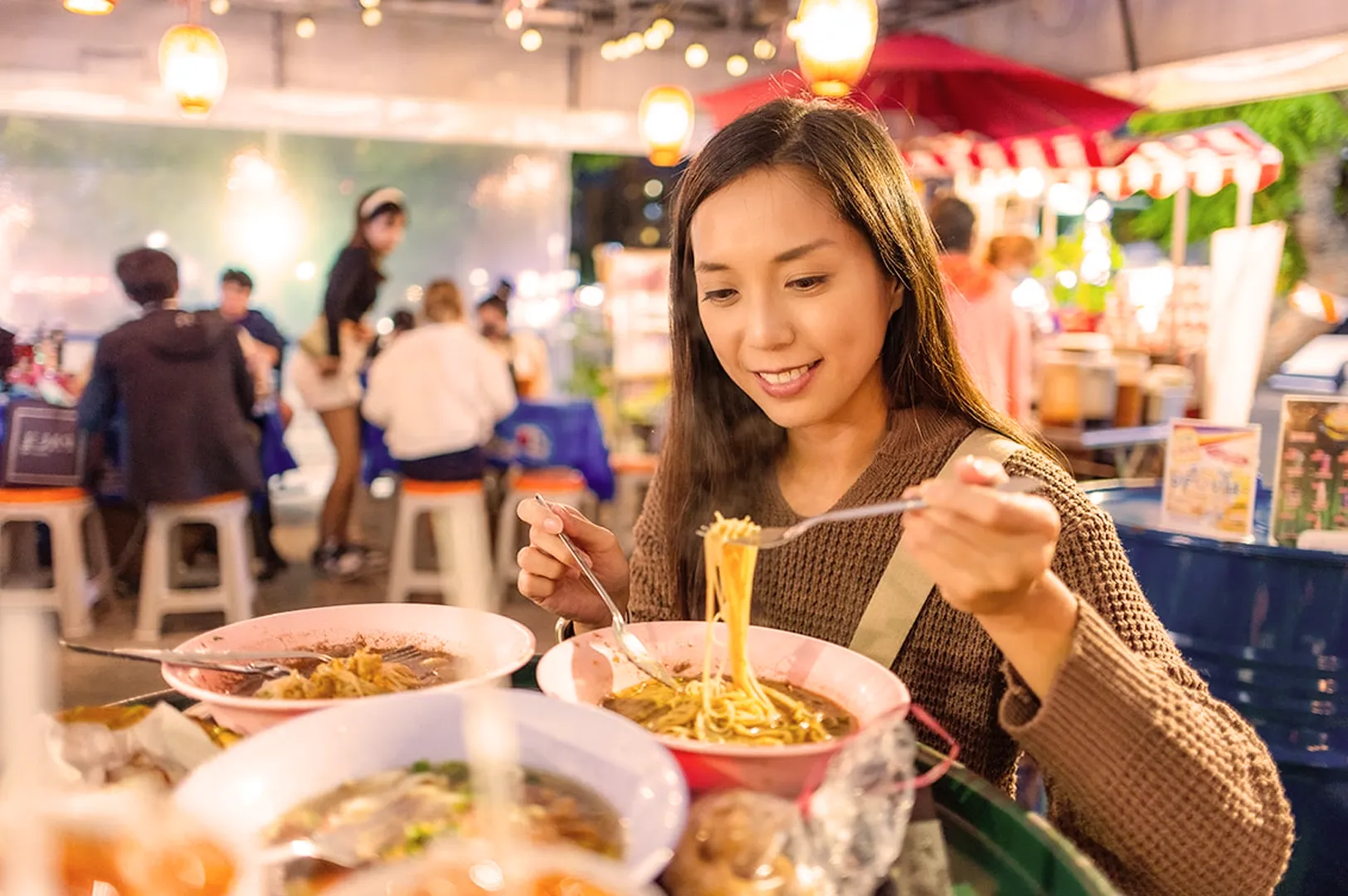
Singapore street food is a vibrant expression of history, community, and an unyielding obsession with flavor. From the fiery chili crab to the comforting bowls of bak kut teh and the smoky allure of char kway teow, every dish tells a story.
The bustling hawker centres and food stalls are more than just places to eat; they are cultural institutions where generations of street vendors have perfected their craft.
So, pack your appetite and prepare to explore the delicious dishes that make Singapore one of the greatest food cities on earth. Your taste buds will thank you.